Get all your news in one place.
100's of premium titles.
One app.
Start reading
MyLifeXP
MyLifeXP
Lifestyle
Palak Khanna

Fibre: The Nutrient Missing From the Indian Protein-Obsessed Diet

Your breakfast has protein. Your coffee has protein. Your snack has protein. Your Instagram feed probably has protein too. Somewhere between protein coffees, protein bars and “high-protein” everything, one nutrient has quietly been pushed out of the spotlight: fibre. And now, India’s nutrition conversation is beginning to look beyond the question of “How much protein are you eating?” A 2026 food trends report highlighted fibre deficiency as one of the nutritional concerns experts expect to dominate the health conversation. The irony? Fibre has been sitting in many traditional Indian foods all along.

Fibre Was Never Really Gone, We Just Stopped Talking About It

fibre starts here
oats, fruits and a simple way to add more fibre to your day

For years, fibre was the nutrient associated with one very specific conversation: digestion. But its job is much bigger. ICMR-NIN’s Dietary Guidelines for Indians 2024 describe fruits and vegetables as important sources of dietary fibre and note its role in normal bowel function, reducing constipation, supporting cholesterol management and lowering risks associated with conditions including heart disease, diabetes and obesity. Think dal, chickpeas, rajma, whole grains, vegetables, fruits, seeds and nuts. These foods do not usually arrive with a giant “HIGH FIBRE” label. They simply exist as part of everyday Indian food. The problem begins when meals become increasingly dependent on refined grains, packaged snacks and ultra-processed convenience foods.

The Protein Craze Has Changed How We Look At Food

Protein is important. There is no need to demonise it. The issue is what happens when every nutrition conversation becomes a protein conversation. A 2025 Indian Express analysis of the protein boom noted that putting protein at the centre of the diet can mean cutting back on fibre, healthy fats and other nutrients. For example, someone trying to “eat clean” might swap a fruit-and-oat breakfast for a protein shake, replace a snack with a protein bar and focus heavily on paneer or protein powders. The diet may contain more protein, but that does not automatically make it balanced. Nutrition is not a competition where one nutrient wins and everyone else gets eliminated.

Fibre Can Keep Your Plate, And Your Gut, Happier

fibre is on your plate
the everyday vegetables quietly helping you get more fibre

One of fibre’s most familiar benefits is digestion. Unlike many other nutrients, dietary fibre is not fully broken down and absorbed in the small intestine. Different types of fibre interact with the digestive system in different ways, helping support bowel regularity and gut health. It can also help you feel fuller after meals. That matters because a plate built around fibre-rich foods can be more satisfying than one dominated by highly refined carbohydrates or heavily processed snacks. And there is another reason fibre matters: the gut microbiome. Certain fibres can be fermented by gut bacteria, producing compounds that are involved in maintaining the intestinal environment. Basically, your gut bacteria have their own food preferences too.

Indian Food Already Has Some Seriously Good Fibre Sources

​the fibre-protein duo
legumes bring two essential nutrients to the same plate

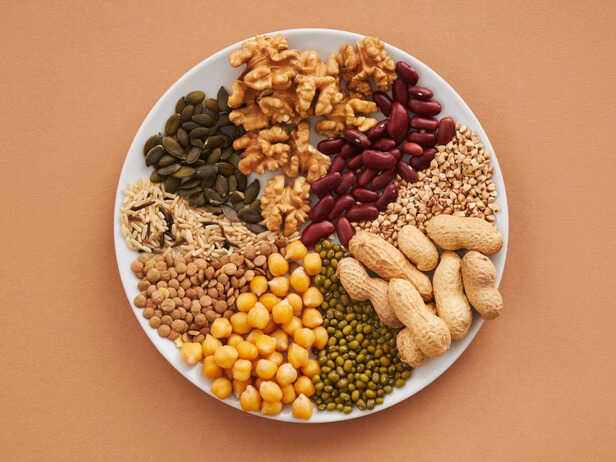
You do not necessarily need expensive powders or trendy supplements to increase fibre. Start with familiar foods. Dal and legumes: Moong, masoor, chana and rajma can contribute both fibre and plant protein. Whole grains: Oats, whole wheat and millets can add more fibre than highly refined grain products. Fruits: Apples, guava, pears, oranges and berries are easy ways to add fibre. Vegetables: The more variety and colour on your plate, the better. Nuts and seeds: Chia, flaxseeds, almonds and other nuts and seeds can add fibre alongside healthy fats. ICMR-NIN's dietary guidance specifically highlights fresh fruits and vegetables as rich sources of dietary fibre. The easiest upgrade may simply be adding one more vegetable to lunch, choosing whole fruit instead of juice or keeping dal on the plate instead of treating it as an optional side.

The Real Goal Is Not Protein Vs Fibre

This should not become another internet nutrition war. Protein helps build and maintain tissues, including muscle. Fibre supports digestive health and has important links with metabolic and cardiovascular health. We need both. In fact, some foods conveniently give you both. Dal, beans, chickpeas, lentils, nuts, seeds and whole grains can contribute protein and fibre at the same time. That is why the bigger conversation should be about diet quality rather than chasing one impressive number on a nutrition label. The next time your meal makes you ask, “Where is the protein?”, perhaps ask one more question too: “Where is the fibre?” Because a healthy diet is not supposed to have a main character. It needs the whole cast.

Maybe It Is Time To Make Fibre Trend

India's renewed interest in fibre is less about abandoning protein and more about remembering what got lost in the hype. The 2026 nutrition conversation is increasingly moving towards preventive nutrition and nutritional gaps, while ICMR-NIN continues to emphasise varied, balanced diets. So keep the dal. Eat the vegetables. Choose whole fruit. Add seeds when they work for you. And yes, get your protein. Just don't let the protein obsession make you forget the nutrient that quietly keeps the rest of the meal working.

Unlock insightful tips and inspiration on personal growth, productivity, and well-being. Stay motivated and updated with the latest atMy Life XP.

Sign up to read this article
Read news from 100's of titles, curated specifically for you.
Already a member? Sign in here
Related Stories
Top stories on inkl right now
One subscription that gives you access to news from hundreds of sites
Already a member? Sign in here
Our Picks
Fourteen days free
Download the app
One app. One membership.
100+ trusted global sources.