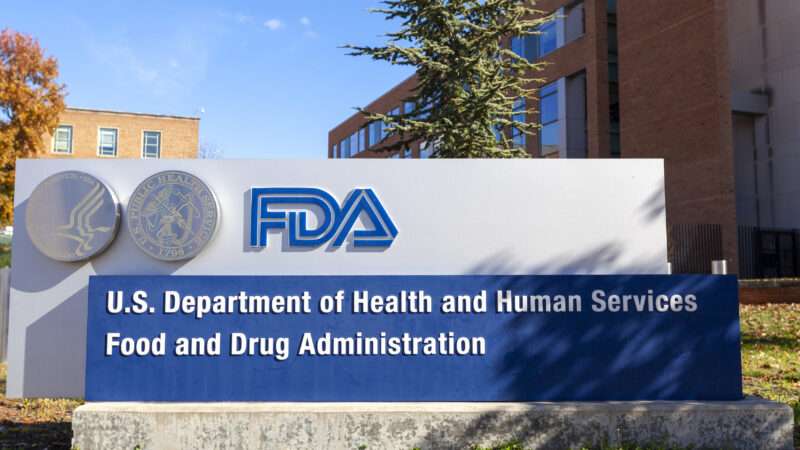
As earlier threatened, the Food and Drug Administration (FDA) has just issued new rules that will significantly slow down the development of new diagnostic tests. Specifically, the agency requires that all laboratory-developed tests (LDTs) be submitted to its regulators before the tests can be offered to patients and physicians. As I explained earlier, LDTs are in vitro diagnostic (IVD) tests for clinical use that are designed, manufactured, and performed by individual laboratories. They can diagnose illnesses and guide treatments by detecting relevant biomarkers in saliva, blood, or tissues; the tests can identify small molecules, proteins, RNA, DNA, cells, and pathogens. For example, some assess the risks of developing Alzheimer's disease or guide the treatment of breast cancer.
Until now, the FDA had not sought to exercise regulatory control over the development and deployment of such tests.