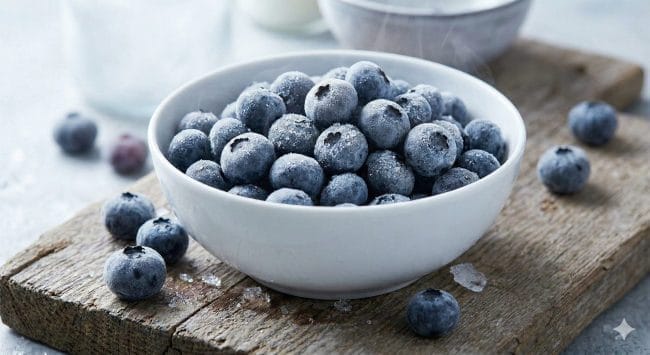
Opening a freezer to grab fruit for a smoothie should be a healthy choice. For many people, however, that simple act currently carries a hidden danger. Federal regulators recently upgraded a massive recall to a Class I warning. This represents the highest risk level the FDA issues. Such a classification means a reasonable probability exists that eating the product could cause serious health consequences. Nearly 60,000 pounds of frozen blueberries are being pulled from the supply chain. This action stems from a potential listeria contamination that everyone should take seriously.
The High Stakes of a Class I Warning
The most concerning part of this update involves the severity of the pathogen itself. Listeria monocytogenes is incredibly resilient and can survive refrigeration or deep freezing. Most common foodborne bacteria perish in cold environments, but this one remains a silent predator. The recall involves frozen blueberries produced by the Willamette Valley Fruit Company. These items reached several states, including Michigan, Oregon, Washington, and Wisconsin. While no illnesses have been reported to date, the FDA is taking no chances.
Certain groups face the highest risk for fatal complications from this pathogen. The elderly, young children, and those with weakened immune systems must be especially cautious. Invasive listeriosis has a high mortality rate. In fact, nearly one in six non-pregnancy cases results in death. Symptoms can also take weeks to appear after exposure. This delay makes it difficult for many people to trace an illness back to a specific meal. The Class I status ensures that every business in the supply chain takes immediate action. This intervention is a critical safety step designed to prevent a public health crisis.
Identifying Recalled Fruit in Your Kitchen
You can protect your household by performing a quick audit of any bulk frozen fruit you recently acquired. These affected blueberries were primarily distributed in 30-pound corrugated cases and 1,400-pound industrial totes. Food service operators or large-scale kitchens typically use these formats. These bulk items sometimes find their way into community pantries or small businesses where you might shop. You should look for specific lot codes and expiration dates to ensure your safety.
Specifically, check for lot code 2055 B2 with an expiration date of July 23, 2027. You should also look for codes 2065 B1 and 2065 B3, which expire on July 24, 2027. Industrial totes with codes 3305 A1 and 3305 B1 expiring on November 25, 2027, are also included. If you find a match, do not consume the product. Dispose of the fruit immediately to avoid any risk of infection. Sanitize any surfaces or containers that came into contact with the packaging using a strong cleaning solution.
Staying Safe in the Modern Food System
Health is a valuable asset that should not be jeopardized by failures in the food production chain. The global supply system is efficient, but it is not infallible. Class I recalls serve as a vital wake-up call for every consumer. Staying informed about the latest FDA warnings allows you to make decisions that protect your family from invisible threats. Do not wait for a news report to start checking your kitchen. Make it a habit to review safety alerts as part of your weekly routine. You have the power to keep your home a safe haven by being the most informed person at the table.
Vigilance for Long-Term Safety
Resilient pathogens like listeria require constant awareness to keep your kitchen secure. While the industrial nature of this specific recall means the fruit is unlikely to be in your local grocery store freezer, the risk remains for those using bulk supplies. Checking your inventory today could prevent a serious health complication tomorrow. Take a moment to verify your lot codes and stay proactive about your kitchen safety.
Have you checked your freezer for bulk fruit lately, and do you feel the FDA provides enough information during these recalls? Leave a comment below and share your thoughts.
What to read next….
- Georgia Shoppers: 21,000 Cases of Frozen Tater Tots Recalled Immediately
- Urgent Listeria Alert: BJ’s Recalls Wellsley Farms Salmon Nationwide
- Recall Warning: True Sea Moss Gels Recalled for Potential Botulism Risk
The post FDA Issues Highest ‘Class I’ Warning: 60,000 Lbs of Frozen Blueberries Recalled for Listeria Risk appeared first on Budget and the Bees.