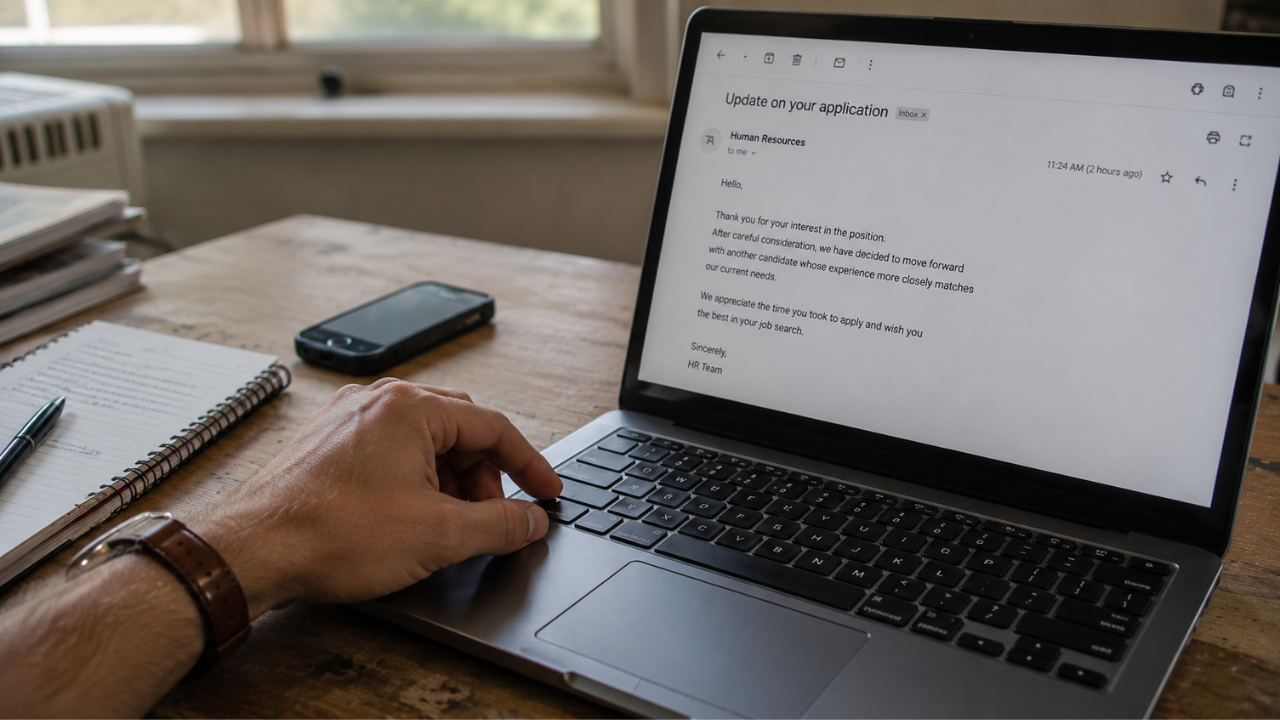
In August 2009, Brian Acton posted a remarkably calm update after Facebook turned him down for a job, writing that the interview had been a chance to meet “some fantastic people” and that he was looking forward to “life’s next adventure.” There was no public anger, no prediction that Facebook would regret its decision, and certainly no obvious indication that the rejected applicant would soon help create a mobile messaging company so valuable that Facebook itself would return five years later with one of the largest technology acquisition deals of its era.
Get breaking news anytime, anywhere. Download the TOI app now!

According to the Business Insider report on Acton's Facebook rejection , Acton publicly revealed on August 3, 2009, that Facebook had turned him down, months after the longtime Yahoo employee had begun looking for his next move. Facebook was not the only technology company to pass on Acton during this period, with an earlier post from May 2009 also indicating that he had been rejected by Twitter.
The rejected engineer joined a messaging startup instead
Acton’s next move eventually led him back to Jan Koum, a former Yahoo colleague who was developing the application that became WhatsApp. The timing mattered because smartphones were changing how people communicated, while WhatsApp was being built around a simple proposition: messaging tied to a user’s phone number and contacts rather than a traditional social network account. Acton joined Koum and helped build the company as its user base expanded at extraordinary speed.
By early 2014, WhatsApp was no longer a small mobile experiment. According to Facebook's official February 2014 WhatsApp acquisition announcement, the messaging service had more than 450 million monthly users, 70 percent of whom were active on a given day, while its messaging volume was approaching the total global volume of telecom SMS messages. Facebook also said WhatsApp was adding more than one million new registered users every day. The company that had declined to hire Acton was now negotiating to acquire the business he had helped build.
Facebook returned with a deal worth up to $19 billion
On February 19, 2014, Facebook announced a definitive agreement to acquire WhatsApp. According to the exact acquisition press release filed with the US Securities and Exchange Commission , the transaction included approximately $4 billion in cash and $12 billion in Facebook shares, for an initial value of roughly $16 billion. The agreement also provided another $3 billion in restricted stock units for WhatsApp’s founders and employees, vesting over four years after closing, taking the widely reported potential value to about $19 billion. That does not mean Facebook literally handed Brian Acton a personal $19 billion cheque. The acquisition was for WhatsApp as a company, and its value was distributed through cash, shares and restricted stock among shareholders, founders and employees under the terms of the deal. But the irony at the centre of the story is documented: Facebook rejected Acton as an employee in 2009, then agreed five years later to spend up to $19 billion acquiring the company he co-founded.
Facebook’s SEC records show the acquisition was formally completed on October 6, 2014. According to the company’s official 8-K filing confirming the WhatsApp acquisition's completion, Facebook completed the previously announced transaction under the February merger agreement. Acton’s short 2009 rejection post has survived because hindsight transformed its meaning. At the time, “life’s next adventure” was simply an optimistic response from an engineer who had not received the job he wanted. Five years later, Facebook was buying that adventure.