
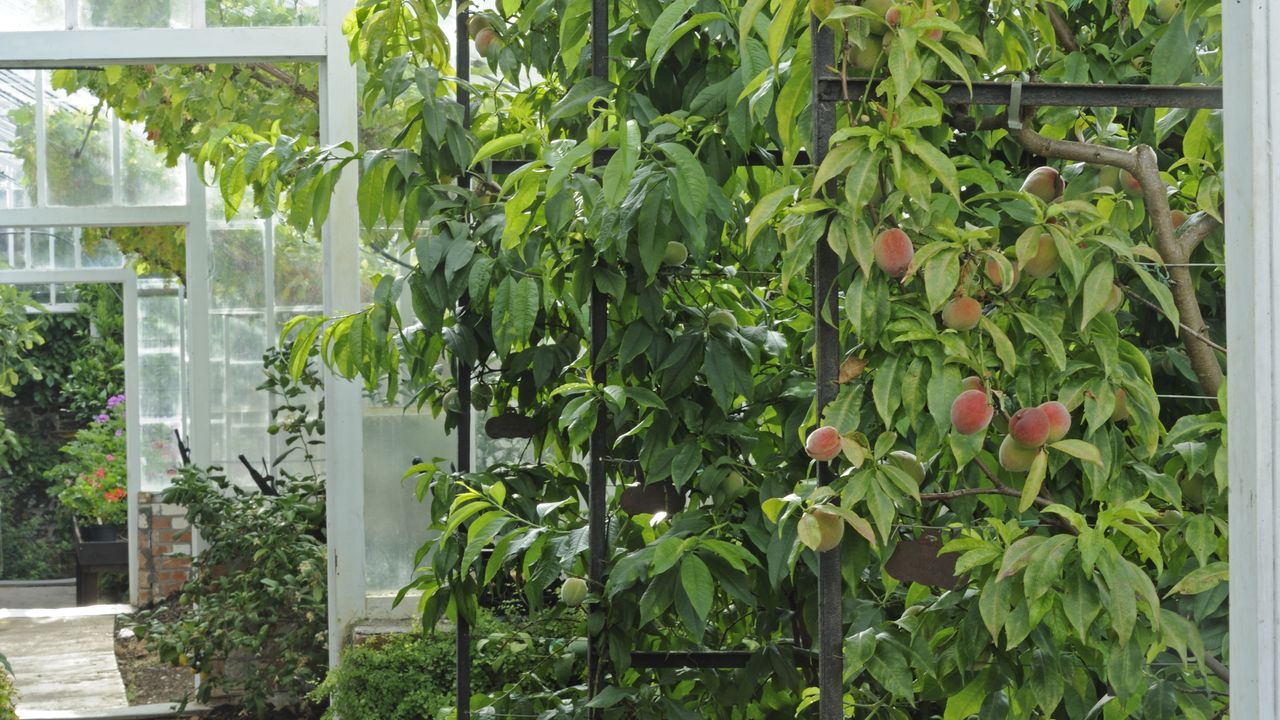
Apricots are delicate, aromatic fruits that need to be picked from the tree at just the right time. The harvesting window opens in July, and understanding the indicators to look for ensures you pick glorious ripe apricots.
It all comes down to the look, feel, and smell of the fruit. It pays to closely monitor the tree over several weeks to get fruit at its prime, and when they tick all the right boxes, gently twist them from the tree and carefully place them in a basket or tray to avoid damaging the fragile fruit.

When you grow an apricot tree, you strive for the best yield. It often means gardeners go above and beyond to protect early blossoms from frost (which can be done with frost cloth like this on Amazon) or hand-pollinate flowers. With all that care to get an apricot tree to fruit, you should enjoy the best fruits. I spoke to two fruit experts about when and how to harvest apricots so you know a ripe fruit when you see one.
When to Harvest Apricots
Apricots want to be left to completely ripen on the tree. You may need to protect fruit from birds to preserve your harvest, as they find ripe apricots hard to resist. The best way to protect fruit is to cover the tree with netting or use mesh bags on individual apricots.
You can get individual drawstring protector bags for fruit at Amazon.
Sheryl Normandeau, an experienced fruit gardener and co-author of ‘The Prairie Gardener’s Go-To for Fruit', says the window for picking apricots tends to be July through August. She adds this warning: ‘If you see birds going after the fruit, you know you need to make a move, or you won't get any.’
The fruit expert explains how a ripe apricot should ‘not be green’ and have a ‘beautiful uniform yellow-orange color’ to the skin.
How long it takes different apricot varieties to reach this stage of ripeness varies, and can take up to three weeks, making it important to regularly check the tree to harvest apricots at their peak.
‘Apricots should be firm, but not rock hard; you should be able to just slightly press on the skin and notice a bit of softness beneath,’ adds Sheryl. ‘You may be able to smell the fruit as it is ripening on the tree.’
Katie Brines from Stark Bro's urges gardeners to ‘rely on your senses’ to judge when to harvest apricots. Look for the color, check the feel, and smell the sweet aroma.
She adds: ‘If in doubt, give them a taste.’ A ripe apricot has the classic sweet and tart flavor. If it tastes sour, it is not ripe yet.
How to Harvest Apricots
There is a simple technique for picking apricots to master. It is best to harvest apricots by hand, though you can carefully use a pole picker for tall trees. You can get an extendable fruit picker at Amazon that has a foam pad in the basket to prevent bruising.
‘When ready to harvest, a simple twist should easily separate the fruit from the tree,’ says Katie Brines.
It is important to be careful picking and handling apricots as the fruits bruise very easily. That includes when separating them from the tree and laying them into a basket afterwards. Any bruising or damage from being careless or heavy-handed will impact how long they store for.
Sheryl Normandeau recommends planning your harvests, including which fruits to target first. She advises: ‘The parts of the trees that are exposed to the most sunlight will likely bear the earliest-ripening fruit, so harvest from the top down and the outer edges inward.’
Apricots are best enjoyed quickly after picking. They can be stored in a single layer in a refrigerator for three to five days. If you do have more fruit than your household can eat quickly, apricots can be dried or preserved.
What to Shop

Moorpark is a variety of tree known to produce large, sweet apricots from July to late August. It is a self-pollinating fruit tree, so you can get a crop with just one.

A set of fruit tree nets with two-way zippers covering the top and sides so you can easily harvest fruit around the tree without removing the net.

A garden hod is an ideal basket for collecting apricots. It is crafted from pine and birch wood and has a coated mesh basket to hold harvested fruit, vegetables, or flowers.
To ensure all fruits on the tree ripen and no branches snap under the excess weight of fruit, it is often beneficial to thin the fruits on apricot trees.
Most trees do a natural drop in early summer, but sometimes further thinning of fruit trees is required. For apricots, there should be two to four inches between each developing fruit.
And for healthy trees season after season, prune apricot trees after you have enjoyed your harvest of summer fruits.
If you love inspiring garden ideas, outdoor advice, and the latest news, why not sign up for our newsletter and get the latest features delivered straight to your inbox?