
Get all your news in one place.
100's of premium titles.
One app.
Start reading
Ideal Home
Ideal Home
Sophie King

Experts are warning that overfeeding your plants can attract this pest to your garden – and it can wreak havoc on your plants

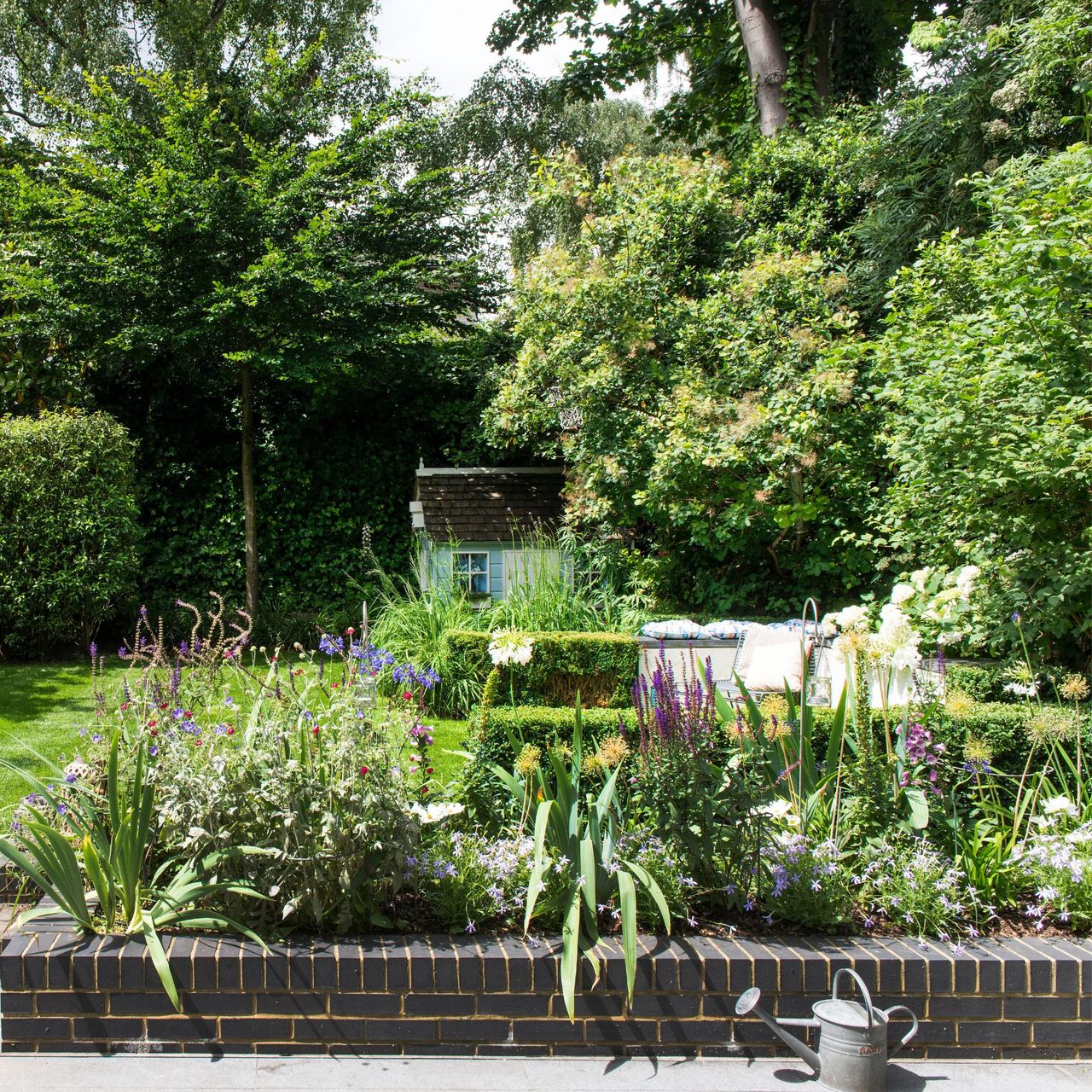
Flower bed border between patio and lawn.

In June, fertiliser can give our flowering and fruiting plants the boost they need to produce even more blooms and harvests – but according to experts, overfeeding your plants could invite one troublesome pest into your garden.

The pest in question? The infamous aphid – and while there are plenty of ways to get rid of aphids, prevention is usually better than cure. They’re common antagonists of peas, roses and a range of other plants, and they can wreak havoc on an otherwise productive garden.

Here’s why overfeeding your plants can attract aphids – and what to do if you’ve already given them too much fertiliser.

(Image credit: Future PLC / Colin Poole)

Aphids are among the most active garden plant pests at this time of the year, and that activity multiplies rapidly when you overfeed your plants. Not just any type of fertiliser, though; it’s feeds that are high in nitrogen, specifically, that you’ll need to watch out for.

‘Don’t overfeed with nitrogen,’ warns heirloom seed company She Grows Veg. ‘Aphids love new growth, and too much nitrogen encourages exactly that.’

It’s actually the smell of overfed plants that attracts aphids in the first place.

‘When plants are overfed with nitrogen, they produce a stronger scent which aphids can detect,’ explains Lucie Bradley, gardening and greenhouse expert at Easy Garden Irrigation.

‘They know that following the scent to its source will lead to a plant which will be easy for them to feed on and provide them with high-quality sap, packed full of amino acids and proteins which enable them to reproduce even faster.’

(Image credit: Getty Images / lnzyx)

So, striking the right balance is key when it comes to feeding your plants in June. You could even make your own balanced feed.

‘Balance feeding with a mix of compost, seaweed feed and slow-release organic fertiliser to create healthy plants,’ says She Grows Veg.

For example, you could mix this The Shropshire Seaweed Company Organic Seaweed, available at Amazon, with this Envii Allgrow, which you can also buy from Amazon.

If you think you’ve already overfed your plants, don’t panic. The first thing you’ll need to do, of course, is stop feeding your plants – but Lucie says that if your plants are part of your container garden, you can also flush the soil of excess nutrients.

(Image credit: Future PLC / Colin Poole)

‘With plants in containers, this is a simple process of using lukewarm clean water to pour over the soil until it drains out of the base of the pot, which will flush out the buildup of nutrients,’ she explains.

‘You need to give yourself a couple of hours in order to completely clean out the soil, pouring the water onto the surface of the soil until it starts to drain from the base, leaving for about 15 minutes to completely drain and then repeating the process again and again – ideally, flushing water through the soil three times.’

June plant feeding kit

A highly-rated all-rounder for organic plant feeding in June.

This growth stimulant contains seaweed to give your plants a boost.

This organic seaweed fertiliser is Amazon's Choice.

Even though feeding your plants is one of the most important June garden jobs, going to heavy with nitrogen fertilisers can do them more harm than good!

Envii Envii Allgrow Organic All-Purpose Liquid Plant Feed Maxicrop Maxicrop All Purpose Plant Growth Stimulant Shropshire Seaweed The Shropshire Seaweed Company Organic Seaweed
Sign up to read this article
Read news from 100's of titles, curated specifically for you.
Already a member? Sign in here
Related Stories
Top stories on inkl right now
Our Picks
Fourteen days free
Download the app
One app. One membership.
100+ trusted global sources.