It often takes traveling, sending money abroad, or observing changes in imported prices for most individuals to even take notice of exchange rates. However, currency flows influence many everyday financial transactions, without most people being aware of their impact. They affect fuel, electronics, food, holidays, business costs, investment returns, and even the mood of financial news. When a currency rises or falls, it can feel like a distant market story, though the impact often reaches normal households faster than expected.
That is why I think currency news deserves a little more attention from regular readers. You do not need to be a trader to understand the basic idea behind foreign exchange. A simple guide like What is Forex can help explain why currencies move against each other and why this market matters outside trading screens. Once one comprehends that all exchange rates are essentially prices between currencies, things begin to make sense.
Why exchange rates matter beyond travel
An obvious case in point is travel costs. When the Australian dollar depreciates vis-à-vis the US dollar or euro, foreign travel becomes more expensive. Accommodation, food, transportation services, tours, and Internet bookings can all be more expensive as a result. It might not seem much on a graph, but it could mean an extra hundred dollars per family vacation.
The same principle holds true for imported goods. A variety of countries import oil, equipment, electronics, pharmaceuticals, clothing, and food products from abroad. Depreciation of the local currency can mean increased expenses for the company that imports those goods. Companies may take up some of those increased costs initially.
This is one explanation why exchange rates are usually included in tales about rising inflation. A lower value of the currency could make imports pricier, creating additional strain on consumers. However, if the value was high, some imports could be made cheaper; but the total cost would still depend on shipping charges, taxes, labor costs, and availability.
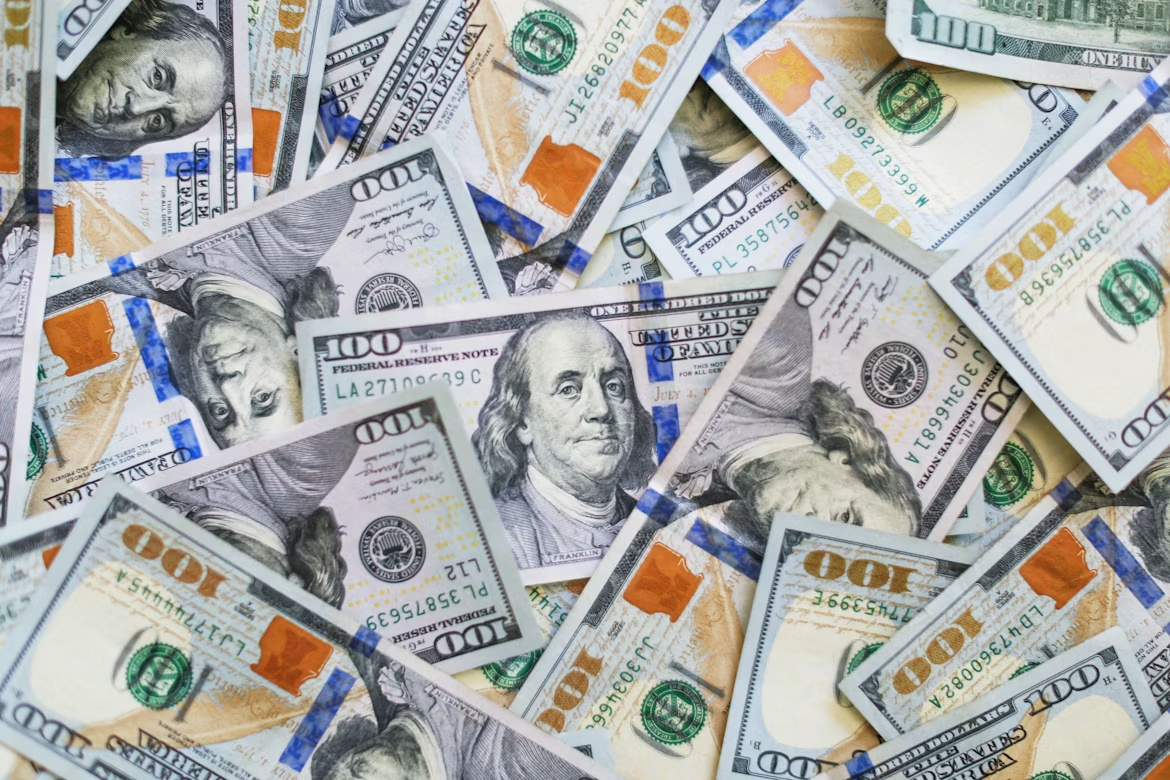
A good example is the US dollar. Since it is widely used in global trade and finance, many countries feel the effect when it strengthens. Imports priced in dollars can become more expensive for other economies. Debt payments in dollars can become heavier for companies or governments earning income in local currency. The International Monetary Fund regularly discusses these global links when analyzing exchange rates, debt, inflation, and financial stability.
The news behind currency moves
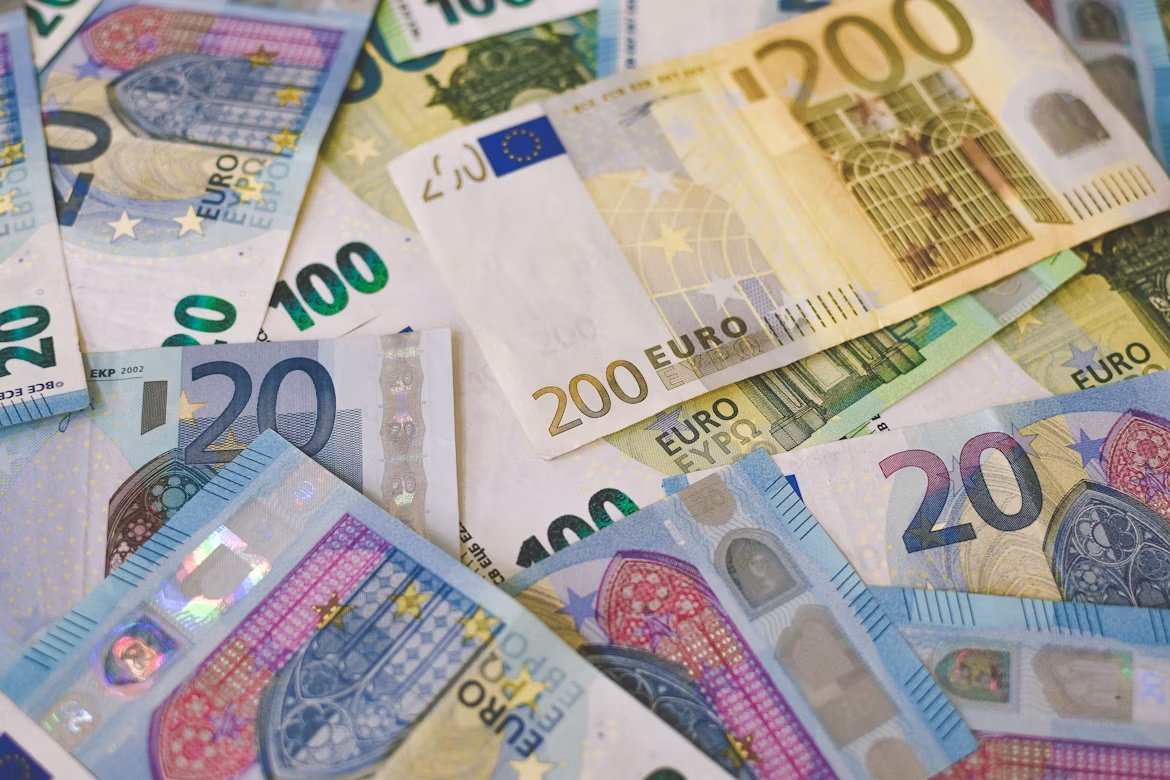
There are many factors that cause currency movement, but news is the key factor. The decision of a central bank can alter expectations in a matter of seconds. The release of inflation figures can alter investors' expectations regarding future interest rates. Elections, trading conflicts, commodity prices, war, bank stress, and budgetary declarations are just some of the events that can move money around.
For instance, investors might consider that a particular country will maintain high interest rates for an extended period of time. This would make deposits and bond investments more attractive to foreign investors.
Commodity prices are also significant. If a nation produces any commodity that could affect the global supply of a resource, then the currency will react accordingly. An example is Australia, whose currency is driven by such factors as iron ore, coal, energy production, and demand from China.
The global foreign exchange market is big. According to the Bank for International Settlements, the turnover in OTC foreign exchange markets was estimated at 9.6 trillion US dollars per day in April 2025. The size indicates how fast news in currencies can spread, and also that exchange rates are determined by banks, firms, fund managers, governments, and individuals worldwide.
Here are some usual suspects:
- Interest rates set by central banks
- Inflation and employment reports
- Commodity prices and movements in trade
- Political uncertainty and elections
- Mood in global markets and investor confidence
- Major changes in policy in the US, China, Europe, and Japan
None of these ever act alone. A currency may be buoyed by robust domestic data in one week only to weaken from global risk concerns the following week. This is the reason why sometimes one gets confused reading individual news articles on their own.
How households and small investors can read signals
For individuals, currency knowledge may be useful. An individual traveling to another country can purchase part of the currency needed for travel in advance instead of waiting till the last week. A company that imports its products can consider hedging the currency or negotiate its supplier terms accordingly. A freelance worker working overseas in foreign currencies can consider currency movements while planning his tax or savings.
For investors, currency knowledge is essential as well. A global stock fund may rise in its home market, while the local currency result looks different after conversion. For example, an Australian investor holding US assets is exposed to both the asset price and the AUD to USD exchange rate. Sometimes currency gains lift the total return. Sometimes they reduce it.
The same applies to foreign property, overseas bonds, international ETFs, and even crypto pairs quoted against major currencies. Currency is often the hidden layer in the final result.
A simple habit helps: when reading financial news, ask three questions.
- Which currency is being discussed
- What caused the move
- Who benefits and who feels pressure
Exporters may want their currencies to be weak to make their products more competitive while importers would want their currency to be strong for easier foreign purchases. Travellers, students abroad, retirees receiving foreign income, and companies with foreign debt may all feel the effect differently.
Building calmer habits around currency news
The discussion regarding currencies can sometimes become rather pressing because it usually revolves around sudden movements. But for the majority of people, understanding currencies in terms of their connection to broader financial considerations often makes them better off. A single decline in the dollar value does not imply that there is a crisis. Equally, a positive movement does not imply that the country is economically strong.
To be aware of the currency, you need to see things in context. Take interest rates, inflation levels, trade volumes, government policy, and global sentiment into account. It is equally important to have a look at the timeframe. While short-term movement may be rather insignificant, medium-term trends are more telling about investor confidence toward economic performance.
For regular people, the objective is quite straightforward – gaining enough insight to be able to make good decisions. This can be about preparing your money for traveling, taking a closer look at the currency risk in a fund, monitoring import prices for your small company, or just understanding the central bank statements better.
Foreign exchange may seem like a narrow field of study; however, its influence on our daily lives goes unnoticed. When you begin to notice it, a lot of financial articles will appear much clearer to you. Currency changes are perhaps the most evident connection between world events and your finances.