
Get all your news in one place.
100’s of premium titles.
One app.
Start reading
Ideal Home
Ideal Home
Sophie King

Every eco-conscious gardener I know uses peat-free compost – 3 of the biggest benefits of this sustainable alternative

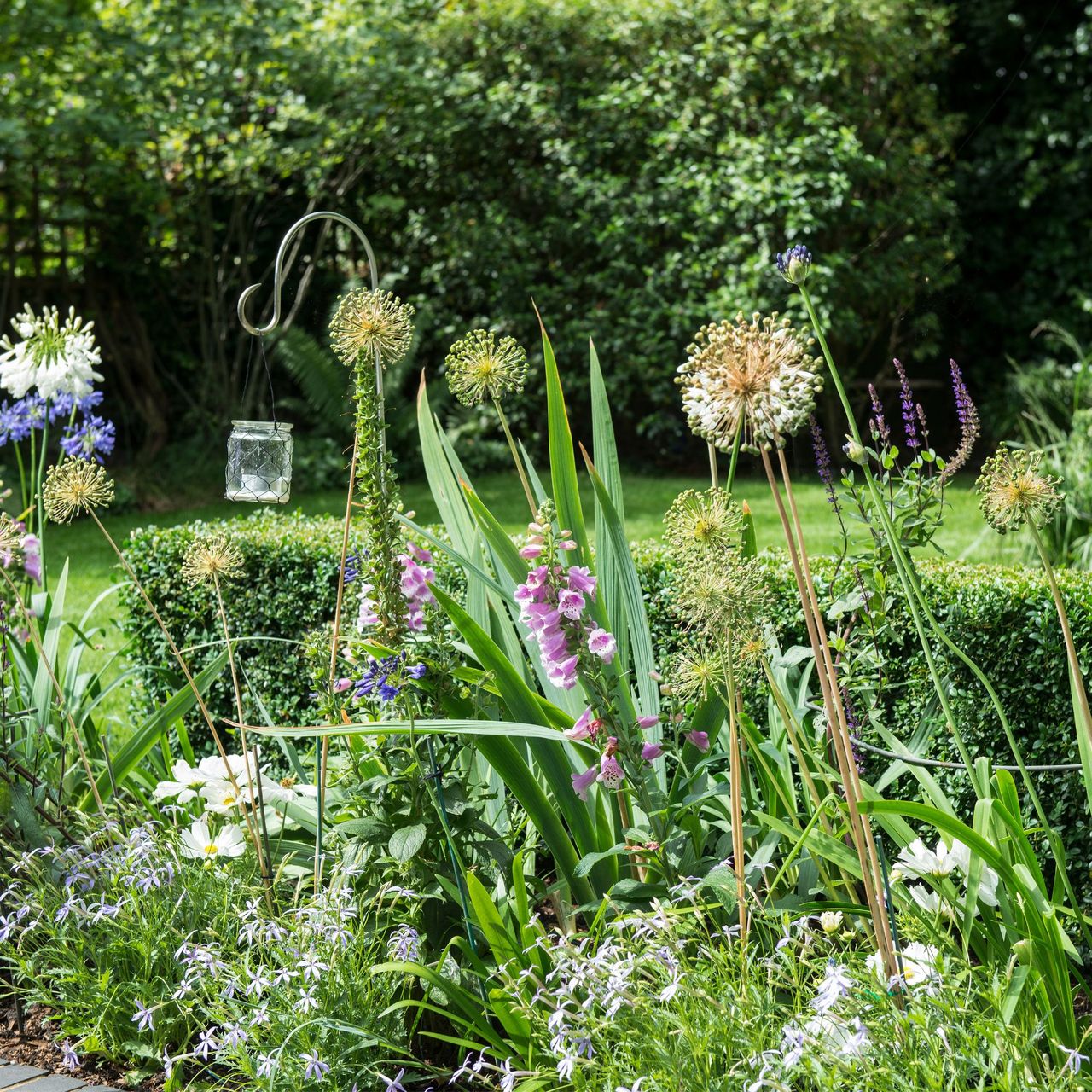
Foxgloves and alliums in front of hedge in garden.

If there’s one thing I’ll try to persuade you to buy for your garden this year, it’s peat-free compost.

That’s because peat compost is really bad for the environment – peat extraction disrupts the UK’s peat bogs, which play a crucial role in combating climate change. That’s why the benefits of peat-free compost are worth knowing about – it’s a sustainable alternative to environmentally harmful horticultural practices.
It ties in with the forecasted sustainable gardening trend for 2026, too – and from experience, my plants have always turned out to be just as healthy (if not healthier) when I’ve used peat-free compost. I’ve rounded up three of the key benefits of peat-free compost to help you decide whether or not you should make the switch.

1. It protects the UK’s peat bogs

(Image credit: Future PLC/Colin Poole)

Peat bogs are one of the UK’s most important in the fight against climate change. They store around 3.2 billion tonnes of carbon, according to the Royal Horticultural Society (RHS), which means they’re the UK’s largest natural land-based carbon store. When peat is extracted from the UK’s peat bogs, that carbon is released into the atmosphere.

’Gardeners are recognising the importance of using peat-free composts, given the environmental damage using peat can cause,’ says Professor Jane Barker, who heads up the only company making peat-free compost (Dalefoot Composts) and restoring damaged peatlands in the UK.

‘Peatlands are incredibly important habitats and carbon stores. We should not, and do not, need to use them to grow our plants.’

I always use Dalefood Seed Compost, which you can buy at B&Q, when I’m sowing new plants. It contains wool, which reduces the need for watering, and potash-rich bracken from the fells in the Lake District.

2. Less damage to wildlife habitats

(Image credit: Future PLC/Colin Poole)

As well as being a huge carbon store, peat bogs are home to a range of bird, insect and animal species, from dragonflies to hen harriers. Extracting peat disrupts those habitats, and leaves species that are already endangered even more vulnerable.

The RHS have just announced that all of the plants sold across its plant centres and online are now No New Peat, which means they’re either grown in peat-free compost, were started in peat but have since been grown peat-free, or grown in peat that entered the production cycle after 31 December 2025. It’s a huge step forwards by the UK’s leading gardening charity, and I think it marks a real shift in the way we’ll garden over the years ahead.

There are plenty of plants you can start growing in February from scratch, too, if you're keen to get started next month.

3. It's actually really good compost

(Image credit: Future PLC/Colin Poole)

If you’re still a little hesitant about whether or not you should make the switch to peat-free compost, take it from me: I’ve grown a wide variety of plants in peat-free compost, and they’ve all thrived.

Many types of peat-free compost are enriched with other ingredients, making them just as suitable (if not more) for growing plants – and, according to Professor Jane, there are lots of different types available. Some peat-free composts have more benefits than others, too.

‘One bag doesn’t fit all when it comes to peat-free, and not all composts are the same, so take care to read the back of the bag before you plant or water,’ says Professor Jane.

‘All of our composts require no extra feed for at least a season. Also, our Wool Composts need far less watering, and that’s not the case for many other composts.’

I can vouch for that – Dalefoot’s Wool Compost, which you can buy from Amazon, was ideal when I grew my own chillies. It drastically reduced the amount of water I had to give the plants over the season, which is always a good thing when we’re hit with a hot summer and hosepipe bans.

Where to buy peat-free compost and mulch

The benefits of peat-free compost are plenty: less harmful for the environment, less disruptive to wildlife, and just as good for your plants.

Sign up to read this article
Read news from 100’s of titles, curated specifically for you.
Already a member? Sign in here
Related Stories
Top stories on inkl right now
Our Picks
Fourteen days free
Download the app
One app. One membership.
100+ trusted global sources.