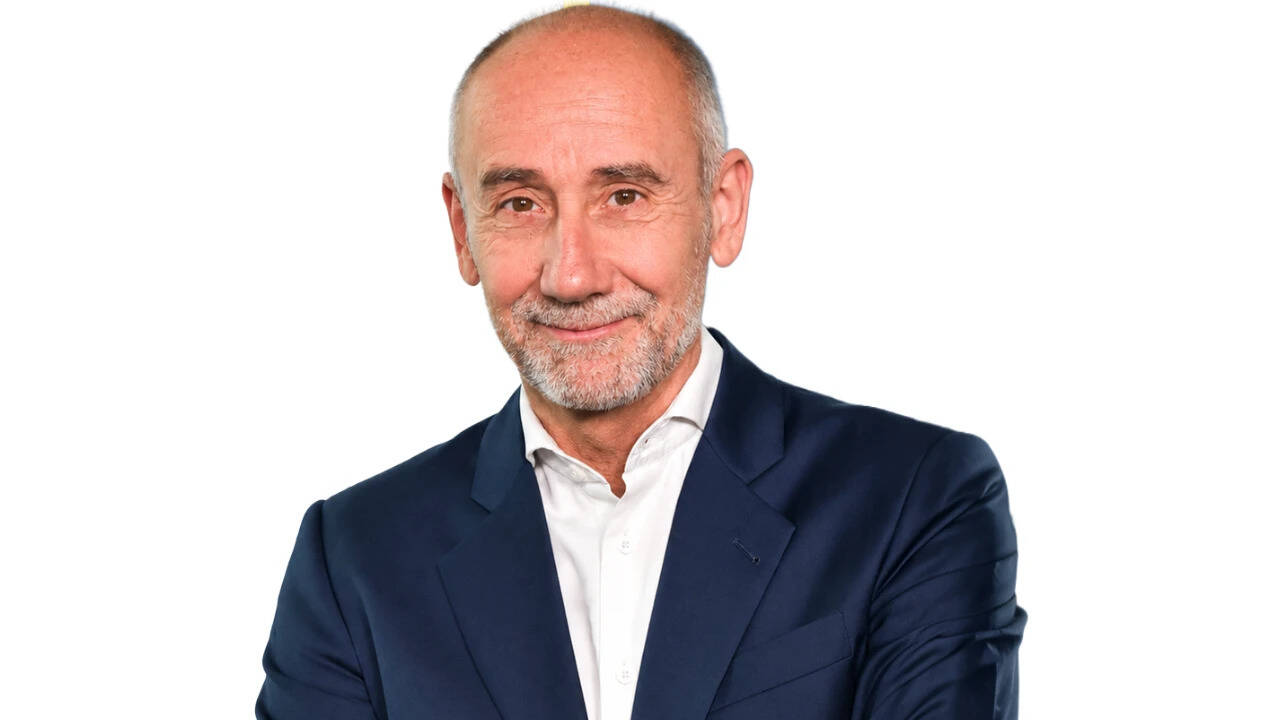
European Union’s new ambassador to India Jean-Eric Paquet has welcomed PM Narendra Modi’s reiteration of his message to Russian President Vladimir Putin to end the Russia-Ukraine “endless” war, expressing hope it would help bring Russia to the negotiating table for a ceasefire.
Get breaking news anytime, anywhere. Download the TOI app now!
In an exclusive interview to TOI, the ambassador also said that the EU is negotiating an investment protection agreement with India alongside the FTA, which is likely to be rolled out in the first half of 2027, and is in talks to see if carbon pricing in India is factored into its carbon border adjustment mechanism. While he didn’t confirm Modi’s possible visit to Brussels in December for signing of the FTA, Paquet said it would be a wonderful way of concluding the agreement if that is how things turn out.
Paquet said that the EU sanctions did not prevent Indian purchase of Russian energy. However, exports to Europe of petroleum products made with Russian oil were not possible. He indicated India’s ties with Moscow imposed a constraint on the ongoing EU efforts to ramp up defence industrial collaboration with India.
‘It's a constraint and will need to be factored in. That's also where the security of information agreement (under discussion) is important and where both India and Europe will certainly want to be quite clear on what they can work together. Several member states are already providing assets to India and India is also providing some components in supply chains...but yes, it certainly is a constraint,” said Paquet, adding that both sides are looking to establish an India-EU defence industry forum where industry players could explore supply chain synergies, possibly leading to joint manufacturing.
“We are discussing with India an administrative arrangement with Operation Atalanta, which would allow a better interaction between the navies. Also, freedom of navigation, where we have very similar views. I hope we'll be able to do more soon on cyber security, on foreign interference and manipulation of information, a very important topic for the Europeans and the Indians as well,” he said, speaking also on increasing cooperation in the Indo-Pacific.
The ambassador welcomed Modi’s message to Putin on the margins of the SCO summit in Bishkek. “This was repeated at the BRICS Summit. Dr. Jaishankar mentioned it explicitly in his UNGA address. All efforts to bring Russia, not Ukraine, to the table are really to be welcomed. So, let's see how this can progress further,” said Paquet, as he stressed it was Russia that was not ready to discuss a ceasefire.
Asked about the West Asia conflict and the delay caused to the India-Middle East- Europe Economic Corridor (IMEC), the ambassador said that the initiative continued to be fully prioritized by both sides who are continuing to invest into making it a reality. “EU, India and nearly everyone is keen to ensure that we can reestablish full freedom of navigation and use this geography to bring Europe and India closer. This is what the IMEC project is all about,” he said.
On CBAM, Paquet said that a team will be coming from Brussels to discuss that issue. “So, let's see how much progress can be made. For us, CBAM is a climate policy measure, and the purpose is to avoid carbon leakage. You do that by creating a level playing field for European operators, but you also do that by encouraging the deployment of carbon pricing in partner countries,” said the ambassador in what was his first media interaction after presenting his credentials.
He said countries such as Japan, Indonesia and India have worked out carbon pricing arrangements and companies that export to EU are also investing to make their operations less carbon intensive. “That's really positive. We will discuss the Indian system and, and once this discussion has been completed, as was the case for the UK, this would certainly also impact the level of charges for companies which comply with the Indian system.”
While he did not get into the specifics of the investment protection agreement, Paquet said that it'll be at the EU level and not country specific as was the case earlier.
As both sides look to sign the FTA by the year-end, the ambassador said that businesses on both sides have started preparing for the implementation of “the mother of all deals” by studying markets. “There's really now a great mobilization to ensure that when the FTA is in force, everything can really then proceed effectively and widely,” he said, adding that the investment Protection agreement and an agreement on geographical indications will further help.
Paquet said that going forward, efforts are underway to make the supply chain more resilient, including exploration of joint efforts in critical minerals. He also said that both sides are looking at enhanced collaboration in pharma, agro food and chips.