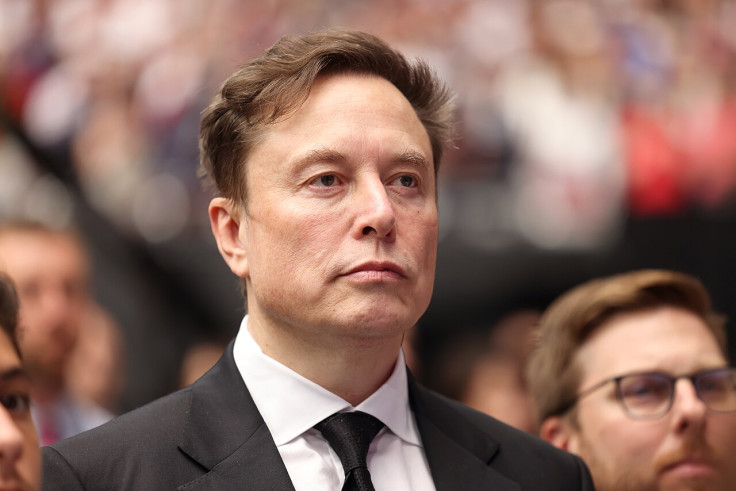
Elon Musk has staked his reputation on the idea that artificial intelligence and robotics are the only tools capable of rescuing the United States from its crushing $40 trillion (£31.4 trillion) debt mountain. The billionaire tech mogul has spent months claiming that an AI-driven productivity explosion will generate enough wealth to bypass the need for painful government spending cuts or tax hikes. However, a starkly different picture has emerged from Washington, as researchers at the Brookings Institution warn that the numbers simply do not add up.
Despite the potential for a massive boost to GDP, the report suggests that AI alone is no panacea for the nation's systemic fiscal instability. This collision between Silicon Valley techno-optimism and hard economic reality is forcing a reckoning in policy circles, as the debate over whether technology can truly outpace the ballooning costs of an ageing population and rising entitlement spending intensifies. For a nation staring down the barrel of persistent deficits, the question is no longer whether AI will change the economy, but whether it can save a federal budget that has grown far beyond the reach of any single technological fix.