Electronic Arts, one of the biggest names in the gaming industry, has gone private in a $55 billion sale.
First announced back in September, the deal was finalized today, giving ownership to the Saudi Arabia Public Investment Fund (PIF), Silver Lake Parterns, and Jared Kushner’s Affinity Partners. EA’s stock has been delisted from NASDAQ, marking an unclear future for the video game giant.
Who bought Electronic Arts?
The three major players in the private sale of EA were the Saudi Arabia Public Investment Fund (PIF), Silver Lake Partners, and Jared Kushner’s Affinity Partners. PIF will own the majority percentage of EA (nearly 94%), according to the Wall Street Journal, meaning effectively that Saudi Arabia now owns Electronic Arts.
Affinity Partners, founded by Jared Kushner (and currently under investigation by the House Judiciary Committee due to conflict of interest during Kushner’s time as “Special Envoy for Peace” in the Middle East), now owns 1.1% of the company, while Silver Lake, a technology investment firm, owns 5.5%.
In a press release after the sale was finalized, EA’s CEO Andrew Wilson wrote: “We’re entering this next chapter from a position of strength with partners who share our vision and ambition. Together, we’ll invest boldly, accelerate innovation, and build the next generation of games and experiences for the hundreds of millions of players and fans who inspire us every day.”
What does this mean for the future of EA?
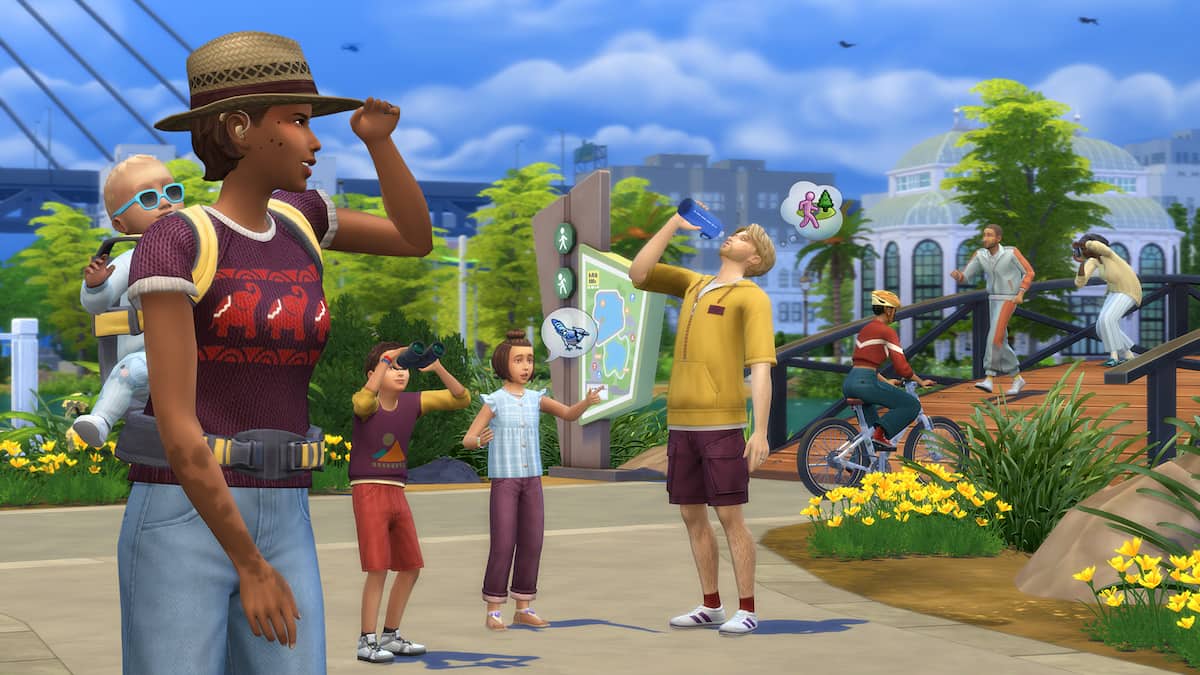
For fans of guns and balls, the future of Electronic Arts probably isn’t too much of a concern. Games from reliable franchises like Madden and FC will no doubt continue in much the same way they always have, and big live-service titles like Apex Legends will probably continue more or less the same.
However, other projects at studios like BioWare and Maxis are in shakier positions. Maxis in particular, known primarily for The Sims franchise, suffered intense community backlash when news of the deal initially broke last year. The studio’s long standing representation of LGBTQ+ communities may not align with the values of EA’s new owners, which could put the future of any Maxis project in jeopardy.
Since the company has now gone private, the once-open shareholders calls will no longer continue, making it more difficult for outsiders to understand the goings-on at EA. However, it seems incredibly likely that large waves of layoffs will hit the company soon, as–according to the Financial Times–the three buyers are heavily betting that AI will cut costs, something that is a highly contentious subject in the world of video game development.