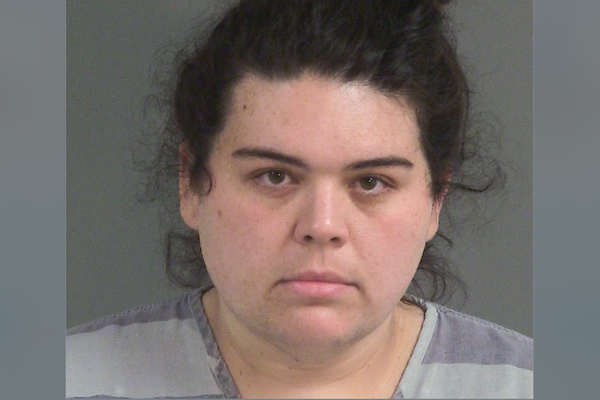
A federal jury in the Western District of Michigan has convicted Dr. Jonathan Decker, 46, of Rockford, Michigan, of distributing more than 2 million pills of Adderall and other stimulants through the Done ADHD telehealth platform. The verdict, announced by the U.S. Department of Justice on Friday, Oct. 2, found him guilty of one count of conspiracy to distribute controlled substances and six counts of distribution of controlled substances.
Prosecutors said Decker prescribed the drugs without examining patients, including patients with substance use disorders and serious mental health conditions, and that the medications worsened their conditions. He was paid more than $1 million for those prescriptions, according to the Justice Department.
For the tens of thousands of adults who once relied on Done for ADHD care, the verdict raises a practical question that goes beyond one courtroom. Many are still taking stimulant medication, some with new prescribers, and some may now wonder whether their original diagnosis was handled properly. For most, the answer is not panic but a careful conversation with a clinician.
Evidence the Jury Heard Against Decker
The Justice Department said trial evidence showed Decker prescribed methamphetamine to a patient with an active substance use disorder. Prosecutors also said he prescribed Adderall to a patient diagnosed with schizophrenia after the patient's mother told him and Done that the drug worsened her psychotic symptoms.
When pharmacies began refusing to fill his stimulant prescriptions, Decker speculated that "running a meth lab seems like a pretty good idea," according to the department's release.
"The Fraud Division is providing full-spectrum accountability for drug dealers who cloak their activities in online telemedicine platforms," Assistant Attorney General Colin M. McDonald said in the announcement.
Miranda L. Bennett, acting deputy inspector general at the HHS Office of Inspector General, said, "Dr. Decker's reckless abuse of his medical license put vulnerable patients at risk and fueled dangerous drug abuse." Pete Gizas, acting special agent in charge of Homeland Security Investigations New York, added, "A medical license is a public trust, not a tool for flooding communities with dangerous controlled stimulants and exploiting vulnerable patients for profit."
The conviction is a jury finding, not a final judgment. A sentencing date has not been set, and Decker faces a maximum penalty of 140 years in prison. Like other federal defendants, he may seek post-trial relief or file an appeal.
A Wider Case Built on 37 Million Pills
Decker is the 11th defendant convicted in what prosecutors describe as a $100 million drug distribution and health care fraud scheme tied to Done Global Inc. The government says the company distributed more than 37 million Adderall pills to paying subscribers in all 50 states.
Done founder and CEO Ruthia He was convicted by a federal jury in November 2025. In July 2026, she was sentenced to 72 months in prison, while clinical president David Brody received 24 months, according to a DEA announcement on the sentencings.
The earlier cases centered on company leaders and their business model. The Decker verdict is different. It shows a jury holding an individual prescribing doctor criminally responsible for patient-level decisions, including prescriptions to people with clear warning signs. For patients, it points to the individual evaluation as the point where care can fail.
Risks of Stimulants Without a Real Evaluation
Prescription stimulants such as Adderall are Schedule II controlled substances because they carry real potential for misuse and dependence. In May 2023, the Food and Drug Administration required updated boxed warnings for the entire class to "describe the risks of misuse, abuse, addiction, and overdose consistently across all medicines in the class."
The FDA also told prescribers to assess each patient's risk before prescribing and to "monitor patients closely for signs and symptoms of misuse, abuse, and addiction." Stimulant labeling separately warns about effects on blood pressure and heart rate, which is why clinicians typically ask about heart conditions, family history, and other medications. A rushed visit can skip those checks.
People with a history of substance use, psychosis, bipolar disorder, or heart disease face the greatest risk when that screening is missing. Prescriptions delivered online are not inherently unsafe, but the evaluation behind them must be complete.
When Done's leaders were first charged in June 2024, the Centers for Disease Control and Prevention warned that 30,000 to 50,000 adult patients could lose access to their medications. The agency cautioned that disrupted access could push some people toward illegal pills that may contain fentanyl, and urged patients to "never illegally purchase or obtain pills."
Guidance for Current and Former Telehealth ADHD Patients
Former Done patients do not need to assume their diagnosis was wrong. They should avoid stopping or changing a stimulant on their own, because sudden changes can bring fatigue, low mood, and a return of ADHD symptoms. A clinician can help decide whether to continue, adjust, or re-evaluate treatment.
A sound ADHD evaluation usually includes a detailed history, questions about mental health and substance use, a review of heart health and current medications, and scheduled follow-up. Patients using any telehealth service can ask how long visits last, whether the same clinician manages refills, and how monitoring works.
Telehealth access remains legal for now. The DEA and HHS have extended pandemic-era flexibilities that let clinicians prescribe Schedule II through V drugs by telemedicine without a prior in-person visit through Dec. 31, 2026, according to the Association of American Medical Colleges. Patients should watch for any final rule that could change those requirements next year.
Switching prescribers can also be hard. Patients who lose a telehealth prescriber may need to find an in-network psychiatrist or primary care doctor, and wait times can be long. A primary care bridge appointment or a community mental health center can help avoid gaps.
Decker's sentencing is the next major step in his case. The verdict is a reminder that stimulants help many adults with ADHD when prescribed carefully. The safest move for patients is to keep using a licensed prescriber and pharmacy and to raise any concerns about past care directly with a clinician.
Key Questions Answered
Who is Jonathan Decker, and what was he convicted of?
Decker is a 46-year-old doctor from Rockford, Michigan. A federal jury in the Western District of Michigan convicted him of conspiracy to distribute controlled substances and six counts of distribution for prescribing more than 2 million stimulant pills through Done ADHD.
Has Decker been sentenced?
No. The Justice Department said a sentencing date has not been set. He faces up to 140 years in prison, though federal judges set actual sentences based on sentencing guidelines and other factors.
Is this the same case as Done founder Ruthia He?
It is part of the same broader prosecution. Ruthia He was convicted in November 2025 and sentenced in July 2026 to 72 months. Decker is a separate defendant and the 11th person convicted in the Done-related case.
I was a Done patient. Should I stop taking my ADHD medication?
Do not stop or change a prescribed stimulant without speaking with a clinician. A licensed provider can review your history, confirm the diagnosis and decide on the safest plan for your treatment.
What are the risks of stimulants prescribed without a proper exam?
The FDA's boxed warning highlights misuse, abuse, addiction and overdose. Without screening, people with substance use disorders, psychosis or heart problems may receive drugs that worsen their health.
Can I still get ADHD medication through telehealth?
Yes, for now. Federal flexibilities allowing telemedicine prescribing of controlled substances without an in-person visit run through Dec. 31, 2026. Patients should monitor DEA updates for any changes after that date.
What should I do if I cannot find a new prescriber?
Contact a primary care office, check your insurer's directory or reach out to a community mental health center. Avoid buying pills online or from friends, since counterfeit pills may contain fentanyl.
Published by Medicaldaily.com