
Get all your news in one place.
100's of premium titles.
One app.
Start reading
The Conversation
The Conversation
Julia Brown, Assistant Professor of Humanities & Social Sciences, University of California, San Francisco

Editing fetal genomes is on the horizon − a medical anthropologist explains why ethical discussions with the target communities should happen sooner rather than later

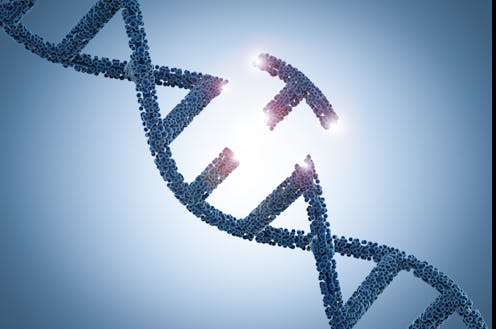
The development of gene-editing technology has led to many ethical questions. PhonlamaiPhoto/iStock via Getty Images Plus

With their primary goal to advance scientific knowledge, most scientists are not trained or incentivized to think through the societal implications of the technologies they are developing. Even in genomic medicine, which is geared toward benefiting future patients, time and funding pressures make real-time ethics oversight difficult.

In 2015, three years after scientists discovered how to permanently edit the human genome, U.S. scientists issued a statement to halt applications of germline genome editing, a controversial type of gene editing where the DNA changes also transfer to the patient’s future biological descendants.
The scientists’ statement called for “open discussion of the merits and risks” before experiments could begin. But these discussions did not happen.

Sign up to read this article
Read news from 100's of titles, curated specifically for you.
Already a member? Sign in here
Related Stories
Top stories on inkl right now
One subscription that gives you access to news from hundreds of sites
Already a member? Sign in here
Our Picks
Fourteen days free
Download the app
One app. One membership.
100+ trusted global sources.







