
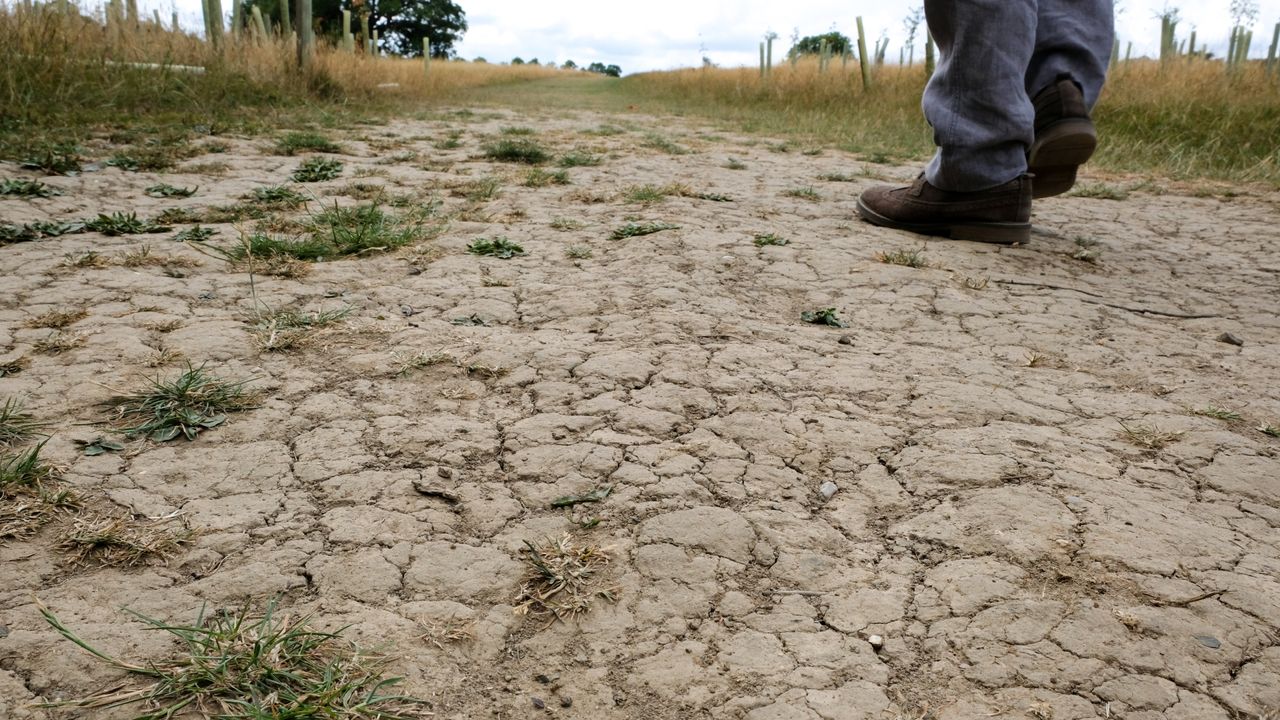
A study of soil microbes showed that drought favors the microorganisms that survive antibiotics. It also found that some of the genes for resistance in soil-dwelling bacteria show up in antibiotic-resistant pathogen samples collected from hospital patients. Because bacteria can easily swap big chunks of genetic information — a process called horizontal gene transfer — any increase in resistance in soil-inhabiting microbes can easily make its way to microbes that infect humans, the study authors said.
"No place is immune," said Dianne Newman, the study's senior author and a biologist at Caltech. "If you have a pathogen arise in one part of the world, it very quickly spreads, so this is something of concern regardless of where you live."