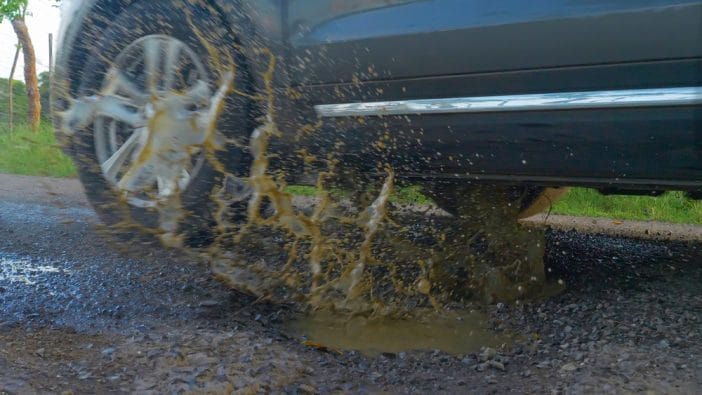
It’s a sunny afternoon, the radio is blasting your favorite tune, and you glide along the road without a care. Then—bam!—your tire plunges into a pothole that seemed innocent enough, but your suspension immediately begs to differ.
Fast forward to a mechanic’s grim diagnosis: a $1,200 suspension repair. You reach for your insurance card, thinking, “Surely they’ll cover this,” only to be hit with the dreaded words: “This is considered wear and tear.” Suddenly, you’re left staring at your bank account, wondering why that bump in the road turned into such a financial headache.

Potholes aren’t just minor nuisances; they can cause serious damage to your vehicle, from bent rims and cracked tires to misaligned wheels and suspension issues. Yet insurance companies have a long-standing policy of classifying these damages as “wear and tear,” meaning you’re often on your own.
Why Potholes Are More Dangerous Than They Look
At first glance, a pothole may seem like a harmless inconvenience, but the truth is far more sinister. Potholes form when water seeps into cracks in the road, freezes, and expands, slowly creating depressions that catch drivers by surprise. When your car slams into one, the impact isn’t just a jolt—it’s a concentrated force that travels through your tires, wheels, and suspension system. Over time, repeated impacts can bend control arms, weaken struts, and damage shocks, all of which are costly to repair.
The severity of the damage often depends on the speed at which you hit the pothole and the condition of your vehicle. Newer cars with softer suspension might absorb some shock, but older models or those with already worn components are especially vulnerable. Even tires can develop internal damage that isn’t immediately visible, leading to blowouts down the road.
Why Insurance Calls It “Wear and Tear”
Most standard auto insurance policies, including collision and comprehensive coverage, are designed to protect against sudden accidents, not the gradual deterioration of your vehicle. Potholes occupy a gray area. Insurance companies argue that “wear and tear” is an expected part of vehicle ownership, and unless the damage is catastrophic and can be traced to a single, verifiable incident, it often falls outside coverage.
Insurers expect that shocks, struts, and other suspension components will naturally degrade over time. Small, incremental pothole impacts are often bundled into this expected deterioration. Sometimes, collision coverage can cover pothole damage if the damage clearly comes from one sudden incident. But typically, a $1,200 suspension repair bill will hit you square in the wallet.
Signs Your Suspension Has Taken a Hit
Recognizing suspension damage early can help minimize costs and prevent further vehicle problems. One common symptom is unusual noises—a clunk, rattle, or squeak when you drive over bumps. You might also notice uneven tire wear or your car pulling to one side, both of which indicate misalignment caused by impact. Excessive bouncing after hitting a bump, a shaky steering wheel, or sagging corners of your vehicle are all red flags that your suspension needs attention.
By catching problems early, you might be able to negotiate with mechanics for partial repairs or replacements instead of a full $1,200 overhaul.

Smart Moves to Protect Yourself From Pothole Damage
While you can’t always avoid potholes, there are strategies to reduce the risk of costly damage. Slowing down when approaching rough roads is a simple but effective tactic. Keeping your tires properly inflated also helps your suspension absorb shocks more efficiently. For those living in areas notorious for potholes, investing in high-quality tires or reinforced suspension components can be a proactive defense.
Another practical tip is documenting pothole encounters. If a specific pothole causes visible damage, take photos, note the location, and report it to your city or local transportation department.
When All Else Fails, Know Your Options
If your insurance denies a pothole-related claim, don’t resign yourself to paying the full bill without exploring alternatives. Many drivers negotiate with repair shops for discounts, payment plans, or partial repairs that address the most critical issues first. Credit cards with built-in purchase protection can sometimes cover vehicle repairs if you pay the mechanic using the card.
And, of course, preventive maintenance is your best friend. Replacing worn shocks, struts, and tires before disaster strikes reduces the likelihood of catastrophic damage.
Driving Smart Isn’t Just About Avoiding Accidents
Hitting a pothole is one of those small, unavoidable frustrations of driving. But understanding the financial and mechanical consequences turns the surprise into a manageable situation. Being proactive—slowing down, inspecting your vehicle, and considering optional coverage—empowers drivers to avoid being blindsided by repair bills.
Every pothole encounter becomes less of a lottery and more of a calculated risk you can prepare for. You might not be able to stop the potholes, but you can stop them from draining your bank account.
Have you ever had a repair bill denied because it was labeled “wear and tear”? Share your stories and tips in the comments below!
You May Also Like…
Inside the Numbers: Automotive Repair Market Growth and Scrap Metal Value
5 Financial Moves Automotive Lovers Are Making This Quarter
State Troopers Say This Everyday Driving Gesture Is Now the #1 Reason Cars Get Pulled Over
10 Automotive Service Trends Expected To Dominate Next Year
Which Automotive Apps Are Collecting Your Personal Driving Habits?
The post Drivers Furious After Insurance Denies This Common $1,200 Suspension Repair appeared first on Clever Dude Personal Finance & Money.