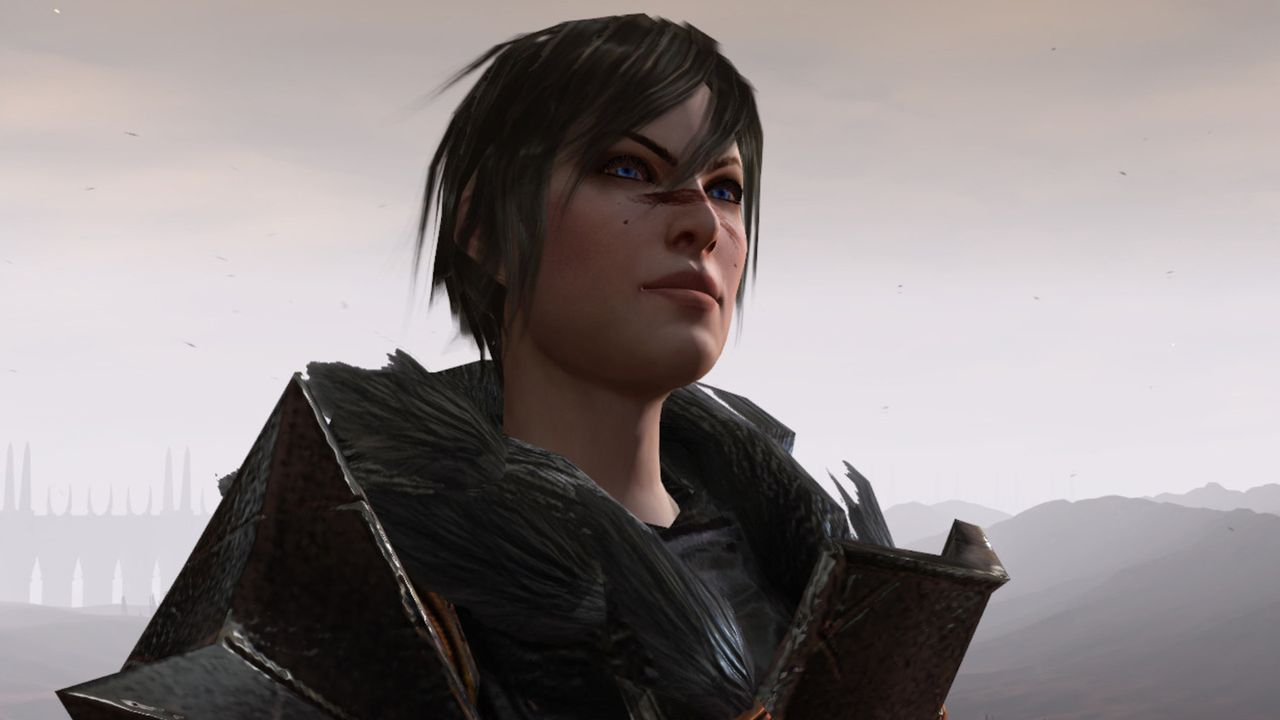
As Dragon Age 2 turns 15, because time slows for nobody, former lead writer on the series David Gaider has taken some time to reflect on the slightly troubled sequel. A victim of publisher demands, the follow-up to Origins didn't quite land how anyone hoped, due in no small part to constantly shifting goalposts.Remembering the development of Dragon Age 2 in an interview with The Gamer, Gaider recalls the period being a "big jumble," thanks to EA. "I had started plotting out the Dragon Age: Origins sequel. I was going into the whole thing with Solas and the stuff that eventually ended up in Inquisition," he says. "And then there was a sudden change."That "sudden change" was EA looking for something from BioWare to release during the fiscal year ending in March 2011. Star Wars: The Old Republic had been delayed, and a full game seemed too ambitious, therefore DLC for Origins became the plan.

"I was just thrown because I was like, 'Oh, what do I want to do here?' I guess I could set up the story beats to come, like, set up the exalted march on Kirkwall," Gaider says. Then, another curveball arrived: "It was only as we were starting to put that together that I remember being told, no, it's not expansion-sized. It's a full sequel that we're going to do at the time of an expansion."Oh dear. This led to a lot of internal scrambling and long hours, as Gaider and the other lead devs pushed to make something worth shipping in a fraction of the type typically needed. BioWare's own design philosophies were part of the problem."BioWare as a team did not know how to make a small game. We planned for a big game," Gaider remembers. "And when we're told this is a full sequel, initially for the first four months of work, we're assuming that it was going to be much bigger."In one instance, he talks about going into a writers' room where all sorts of quest-lines were laid out on sticky-notes, and just taking away chunks. "I had to take out half of them," he states.This led to a smaller-feeling sequel – no open-world, more concentrated doses of exploration, and less backstory all round – but one that still resonated with some fans. We eventually got a grander, more epic sequel in Dragon Age: Inquisition, and Dragon Age 2 serves as the cult entry. I consider it the Final Fantasy 8 of the series, and honestly, there are much worse results from this kind of situation.Dragon Age and Anthem veteran argues risk-averse AAA games have become "too homogenous" and "soulless," which might lead fans to accept generative AI.