Get all your news in one place.
100’s of premium titles.
One app.
Start reading
Homes & Gardens
Homes & Gardens
Jennifer Ebert

Don’t Buy Another Bird Feeder – 7 Easy Ways to Feed Garden Birds Using What You Already Have

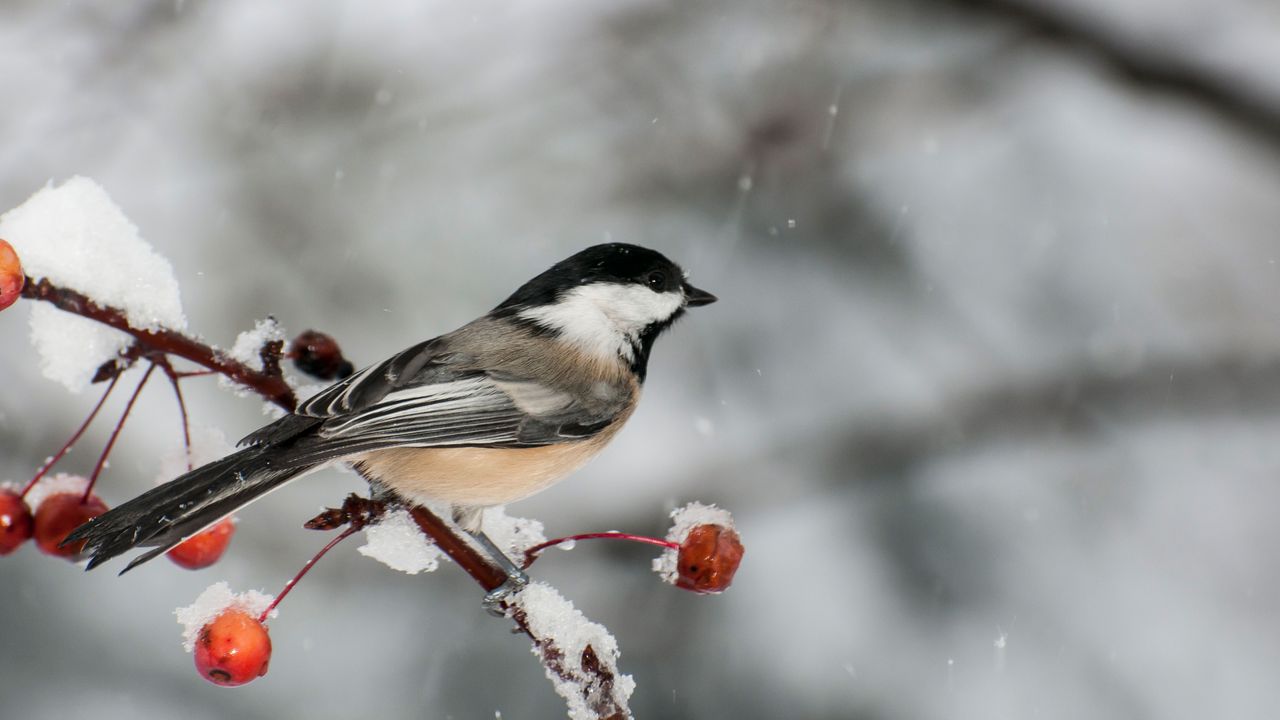
Black-capped Chickadee, perched on a berry branch in the winter.

I’ve gradually taken up birdwatching in my garden, and in the process, I began to rethink my reliance on feeders. Birds can become dependent on them, and keeping multiple feeders consistently stocked isn’t always practical – or necessary. Instead, I started looking for ways to support backyard birds without adding yet another feeder.

The solution is simpler than it sounds. With the right planting choices, a more relaxed approach to garden maintenance, and a few thoughtful additions such as a water source, a garden can provide natural food that birds return to again and again.

Here are my top tips on how to feed birds and some simple bird feeder alternatives – ways to support wildlife without relying on yet another feeder.

1. Don't Deadhead too Early

(Image credit: MediaNews Group/Reading Eagle via Getty Images / Contributor)

I appreciate a tidy garden as much as anyone, but birdwatching has taught me that excessive tidying can remove some of the birds’ best food sources. Spending time watching the garden – often with my Occer Compact Binoculars from Amazon in hand – has made me far more aware of how much wildlife relies on what we leave behind.

Instead of deadheading at the first sign of fading, I now leave seedheads in place. Coneflowers, black-eyed Susans, sunflowers, and ornamental grasses act as natural feeders, while their hollow stems shelter overwintering insects.

Through fall and winter, I’ve watched goldfinches, cardinals, and house finches return again and again, stripping seedheads clean. I leave them until late winter or early spring, when I do my main seasonal pruning.

If these bird favorites aren’t already established in your garden, starting flowers from seed is an easy way to plan ahead. A mix such as the Premium Monarch Butterfly Wildflower Seeds Mix, available on Amazon, includes coneflower, black-eyed Susan, cosmos, phlox, and zinnias – creating a generous future food source with minimal effort.

2. Let Leaves Settle

(Image credit: HRAUN / iStock / Getty Images Plus / Getty Images)

I’ve come to love watching fall leaves settle where they land, especially on bare soil, where they’re best left undisturbed (lawns are the exception). Fallen leaves act as a natural mulch, protecting the soil while creating habitat for insects such as beetles, larvae, grubs, and pupae – an essential food source for many backyard birds.

American robins, sparrows, towhees, and thrushes will happily forage through leaf litter, turning it over in search of an easy meal. If the look feels too informal for your backyard, you can make it more intentional by gathering leaves into a discreet pile behind a shed, beneath a hedge, or along the edge of a planting bed.

For a more controlled approach, a leaf vacuum with a built-in shredder, such as the Worx Trivac 3-in-1, available on Amazon, allows you to redistribute leaves exactly where they’re needed. Shredded leaves break down more quickly, enriching the soil without smothering plants.

3. Plant a Bird-Friendly Berry Shrub

(Image credit: Getty Images / Education Images / Contributor)

When I think about the plants that have made the biggest difference in my backyard, berry-producing shrubs sit at the top of the list. Once established, they quietly do the work for you, offering a dependable food source just as birds need it most, while adding structure and seasonal beauty to the landscape.

Each fall, I notice how quickly birds respond. Cedar waxwings, bluebirds, American robins, northern mockingbirds, and gray catbirds are drawn to berries almost immediately, returning daily until every last one is gone.

Which shrub works best will depend on your USDA hardiness zone, but some of the most reliable options include American beautyberry, winterberry holly, serviceberry, red chokeberry, and wax myrtle. These shrubs provide vital calories throughout fall and winter, filling the gap when insects become scarce and helping birds navigate the season with ease.

4. Provide a Suet Alternative

(Image credit: Oksana_Schmidt / iStock / Getty Images Plus / Getty Images)

Rather than adding another bird feeder, I look for ways to provide high-energy food that feels more at home in the garden. In cooler weather, a simple peanut butter and oats mixture spread onto tree bark, pinecones, or logs does the job beautifully, drawing in woodpeckers, nuthatches, chickadees, and titmice. It’s an approach best saved for fall and winter, when temperatures stay low.

If you prefer something that looks more considered, bird seed ornaments are an easy swap. Shaped forms packed with seeds can be hung discreetly from branches, offering nourishment without visual clutter.

Making your own DIY bottle feeder or seed ornaments is another option. Using simple molds and a fat-based binder, you can create natural, feeder-free treats that support birds through the colder months – no hardware required.

5. Provide a Water Source

(Image credit: B LaRue / Alamy Stock Photo)

Birds need a daily supply of fresh water – and while they’re visiting, they’ll often forage for insects and seeds nearby. A bird bath can be wonderfully simple: a shallow dish with a rock for traction is enough to draw in songbirds. For those who prefer something more design-forward, there are smart bird baths that keep water moving, helping prevent stagnation and offering a closer look at visiting feathered friends.

‘Clean, accessible water is essential year-round, and many birds take full advantage of it for drinking and bathing,’ says Rachel Bull, Head of Gardens at Homes & Gardens. 'A thoughtfully placed bird bath can even attract hummingbirds, adding color and movement to the garden.'

In winter, small touches like a ping-pong ball or rubber duck help stop a bird bath from freezing, ensuring a vital source of hydration when natural water is scarce.

6. Create a 'Mess' Pile

(Image credit: Getty/Annie Otzen)

A rotting log pile or an open compost heap is a veritable insect factory, providing a steady food source for birds such as wrens, American robins, chickadees, and woodpeckers. You only need one well-placed, untidy pile to make a noticeable difference in your garden’s wildlife activity.

If an open compost heap isn’t your style, a simple log pile works beautifully. Choose a quiet corner, stack a few logs, and let nature take over – before long, you’ll be treated to the comings and goings of foraging birds and other small wildlife.

7. Avoid Overusing Chemicals

(Image credit: rotofrank / Getty Images)

One of the simplest ways to create a bird-friendly garden is to cut back on chemical pesticides and fertilizers. By letting insects thrive, leaving seed heads in place, and allowing the lawn to grow a little longer, you provide a natural food web that supports a wide variety of birds throughout the year. Insects, larvae, and other small invertebrates are essential protein sources for species like sparrows, robins, chickadees, and woodpeckers, especially during the breeding season.

Allowing parts of the garden to remain a little untidy – fallen leaves, seed heads, and even a small log pile – helps sustain this ecosystem while also adding texture and seasonal interest to your outdoor space. Often, the best thing you can do for wildlife is to let nature take its course, stepping back just enough to enjoy the activity that unfolds. A lightly managed garden can become a haven for birds and other wildlife, rewarding patience with daily moments of observation and delight.

Shop Bird Feeding Essentials

Sign up to read this article
Read news from 100’s of titles, curated specifically for you.
Already a member? Sign in here
Related Stories
Top stories on inkl right now
One subscription that gives you access to news from hundreds of sites
Already a member? Sign in here
Our Picks
Fourteen days free
Download the app
One app. One membership.
100+ trusted global sources.