Get all your news in one place.
100's of premium titles.
One app.
Start reading
Times Pets
Times Pets
Upasna Yadav

Dog Vitamins: How Do They Work, And Does Your Dog Need Them?

What are Dog Vitamins?

Dog Nutrition and Vitamin Support
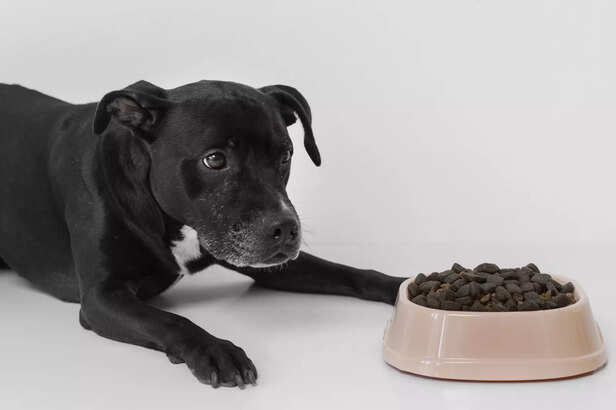
<p>Proper nutrition combined with essential vitamins helps dogs maintain strong bones, healthy skin, and good energy levels.</p>

Dog vitamins are a type of nutritional supplement used to provide nutrients and help certain bodily functions. It’s estimated that up to 33% of dogs (and cats!) are on a supplement or vitamin product in addition to their regular diet, according to this study. Vitamins give an extra boost of an organic compound that might already be in your pet’s food that is needed for the body’s normal metabolism. These nutrients are very important for a healthy immune system, digestive system, and nervous system, and they can play a vital role in preventing and treating certain diseases. Vitamin and supplement use in dogs is on the rise, according to this study, but it’s important to speak to your veterinarian before adding them to your dog’s health regimen to ensure they are safe for your pet.

Types of Dog Vitamins

The most common vitamins and supplements given to dogs are multivitamins, joint protectants such as glucosamine, and fatty acid supplements, according to the American Veterinary Medical Association (AVMA). Choosing to give a supplement or not should be based off its potential benefit versus possible side effects. It’s also important to make sure the product comes from good, quality-controlled ingredients and manufacturers. They usually have a combination of vitamins A, B, C, D (low dose), E, and K, and minerals like calcium, phosphorus, and iron. An example is Pet-Tabs Plus. As long as your dog is on an AAFCO-certified diet meant for their life stage (puppy, adult, or senior), then multivitamins are not needed.

Joint protectant supplements are great to not only help dogs that have mobility issues such as arthritis but also to help prevent issues when started young and given routinely. Glucosamine and chondroitin, along with MSM hyaluronic acid, eggshell membrane and omega-3 fatty acids have all been shown to help protect against joint disease. Fatty acid supplements are known to have anti-inflammatory effects on the body with their omega-3 fish oils. They are used for their positive effects on the skin/coat, immune system, nervous system, and brain and heart function. Fish oils EPA and DHA are also known to help a dog’s joints by reducing both pain and inflammation (swelling) from arthritis and other joint disease.

What Vitamins and Supplements Does Your Dog Need?

Healthy Dog with Balanced Diet and Vitamins
<p>A well-fed dog enjoying a balanced diet that provides important vitamins for growth, immunity, and overall wellbeing.</p>

What vitamins and supplements your dog needs depends on many factors, such as age, lifestyle, diet, and health conditions. Multivitamins are needed for specially formulated, home-cooked diets that are made for dogs with specific health concerns. Other supplements, such as joint protectants and omega-3 fatty acids, are often given based on your dog’s breed or ongoing health concerns. Large-breed dogs and those with orthopedic disease benefit from joint supplements, while dogs that have skin issues such as allergies often take fatty acid supplements.

Key Takeaways

  • Most dogs eating an AAFCO-certified commercial diet don’t need multivitamins, but supplements may help in specific cases like joint disease or skin issue.
  • Common dog supplements include multivitamins, glucosamine for joints, and omega-3 fatty acids for inflammation, skin, and brain health.
  • Always consult a veterinarian before giving your dog any supplement, as some—like human vitamins—can be toxic or interfere with medications.

Benefits of Dog Vitamins

Dog Vitamins Supporting Energy and Immunity
<p>Essential vitamins for dogs help boost the immune system, improve energy levels, and support healthy growth and vitality in dogs. ��</p>

Multivitamins help supplement a dog’s diet where it might be lacking. When dogs with serious food allergies are on a home-cooked diet, multivitamins help them get the nutrients they are missing that are normally in commercial dog food. While specific vitamins, such as vitamin A or B, might be recommended to supplement a diet to help with medical conditions, vitamin D is actually a potential toxin to dogs. All vitamins and supplements should be given under the direction of your dog’s veterinarian.

Celebrate the bond with your pets, explore Health & Nutrition, discover Breeds, master Training Tips, Behavior Decoder, and set out on exciting Travel Tails with Times Pets!

Frequently asked questions (FAQs)

  1. Do dogs really need vitamin supplements?

    Most dogs that eat a balanced and high-quality diet already get the vitamins they need. However, some dogs may benefit from supplements if they have specific health issues, nutritional deficiencies, or special dietary needs.

  2. How do vitamins help dogs stay healthy?

    Vitamins support many important body functions in dogs, including immune system strength, bone development, healthy skin and coat, proper digestion, and energy production.

  3. What are the most important vitamins for dogs?

    Some essential vitamins for dogs include Vitamin A for vision, Vitamin D for bone health, Vitamin E for skin and immune support, Vitamin K for blood clotting, and B-complex vitamins for metabolism and energy.

Sign up to read this article
Read news from 100's of titles, curated specifically for you.
Already a member? Sign in here
Related Stories
Top stories on inkl right now
One subscription that gives you access to news from hundreds of sites
Already a member? Sign in here
Our Picks
Fourteen days free
Download the app
One app. One membership.
100+ trusted global sources.