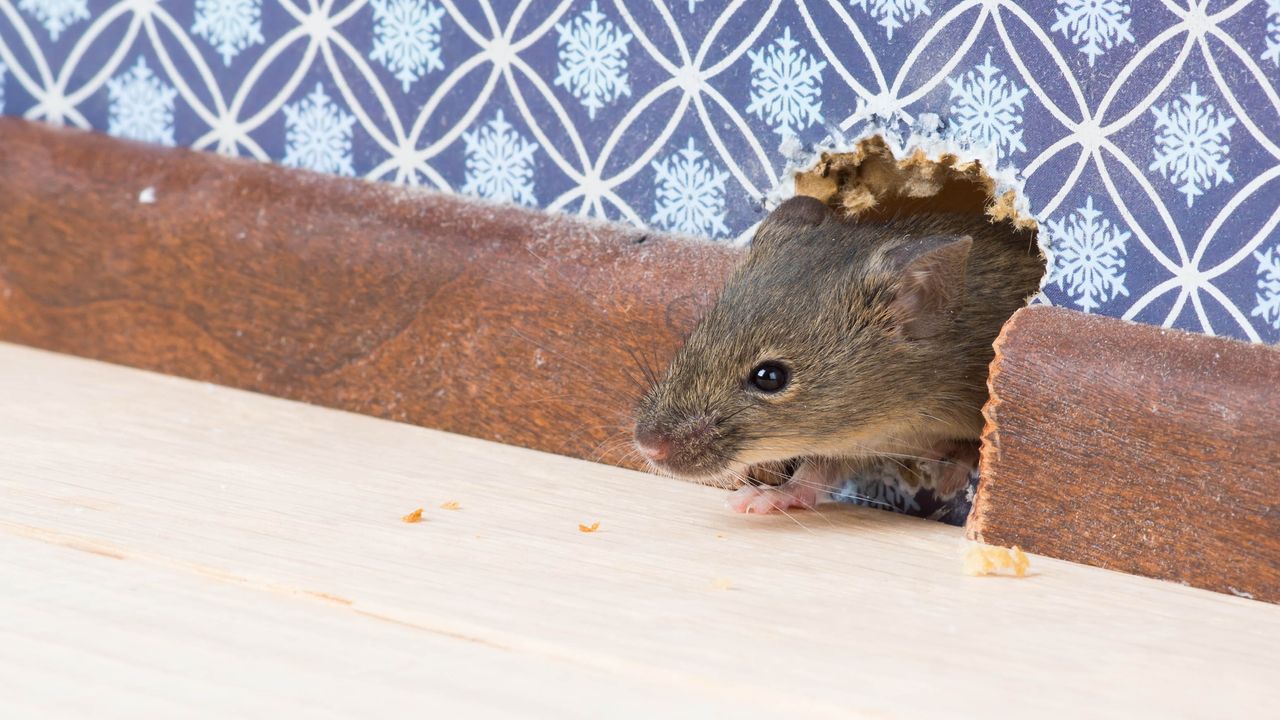
It's always a worry when you think you might have mice in your house. And winter is the prime season for rodents to sneak inside when they're looking for somewhere warm with food and shelter.
That’s why it’s so important to put preventative measures in place to prevent mice from entering and to keep them out. Not only are they a nuisance, causing damage to your property, but they also carry germs that could put your family's health at risk.
While there are plenty of methods, such as setting mouse traps and filling gaps and potential entry points with steel wool, there’s a rather surprising mouse deterrent that can be found in our kitchens.
And while this might not be a long-term solution, can aluminum foil really keep mice away? I asked the pest experts to find out whether this is just a myth or a good hack to keep mice out during the cold months.
Does aluminum foil keep mice at bay?
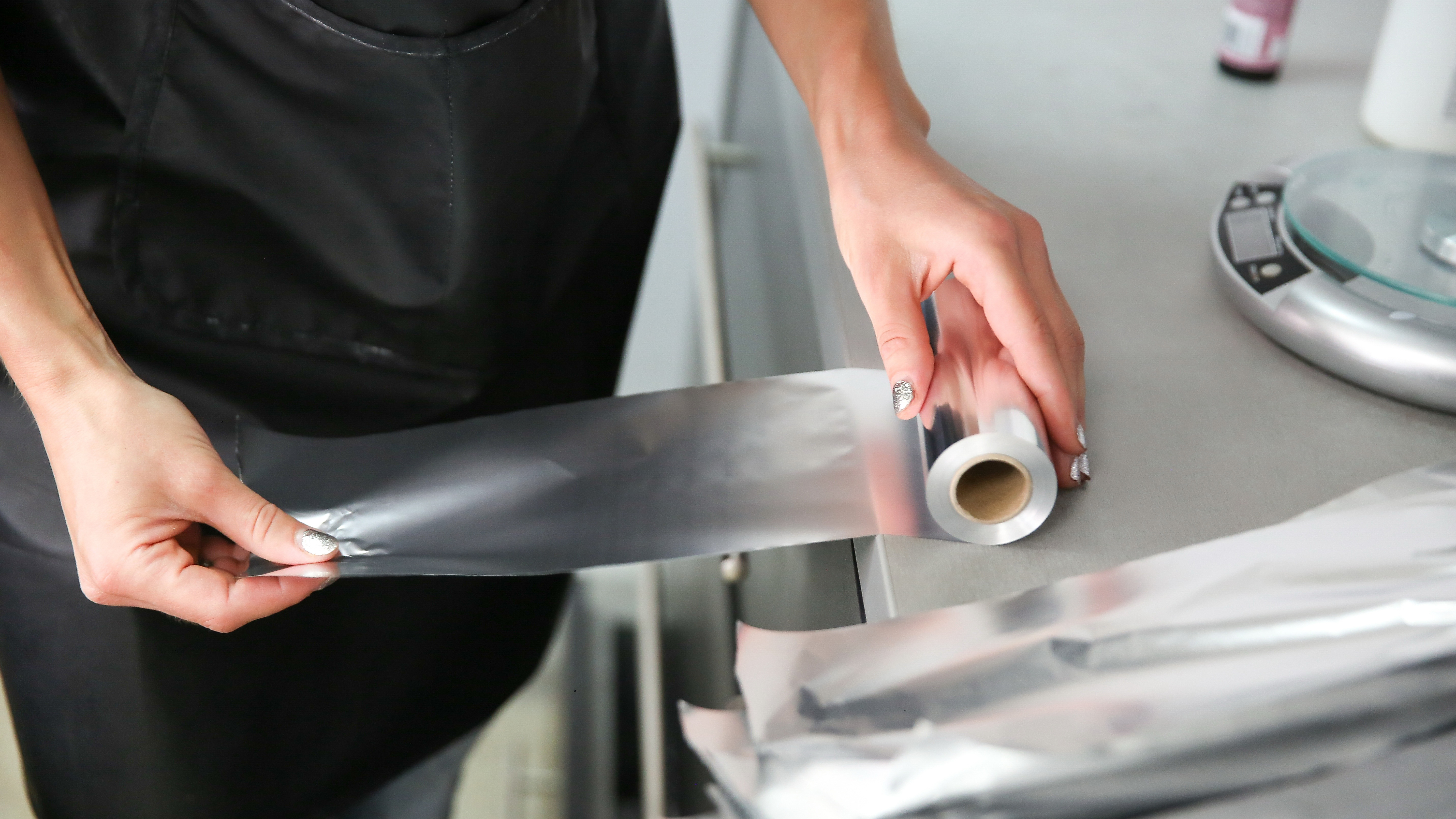
While there are plenty of surprising uses for aluminum foil, can it actually be used to deter mice? The good news is that foil can act as a short-term fix to ‘scare’ mice away — the bad news is that it’s not a reliable form of pest control in the long-term, so you’ll still need to find other effective methods.
“Aluminum foil is by no means a reliable mouse control solution, but it could provide a limited deterrent effect for a short time under the right circumstances,” says Rick Culbreth Jr. President at Yates-Astro Termite & Pest Control.
“As prey animals, mice are incredibly cautious and don’t like new or unfamiliar surfaces. If you apply some aluminum foil to your countertops or pantry shelves, mice who walk onto these surfaces might be intimidated by the loud crinkling noise and temporarily avoid the area.”
“Aluminum foil also reflects light in certain ways that mice can’t anticipate. Even when a mouse learns that walking on the foil isn’t inherently dangerous, an unexpected 'flash' of reflected light could reinforce the deterrent effect.”
Just note that while they may not like foil, this quick fix is not a real solution for keeping mice at bay. The key things here are to focus on making your home less accessible and inviting to mice. “They’ll eventually learn that the foil is harmless and ignore it,” adds Culbreth Jr.
”Effective rodent control means sealing entry points, removing food sources, reducing clutter, and using traps or other means to physically remove individual mice.”
How can you use foil to deter mice?
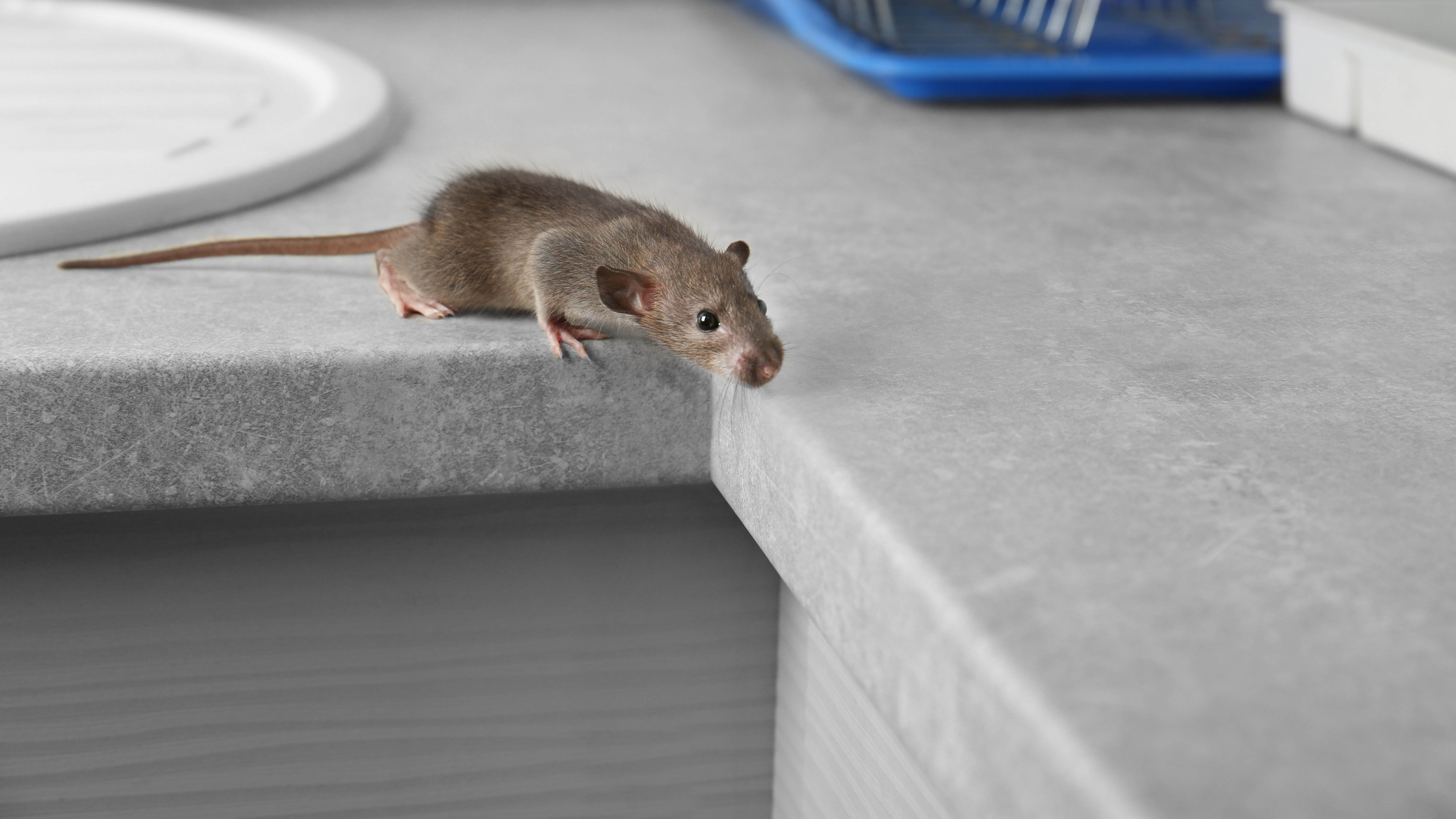
Although mice can pretty much chew their way through just about anything, they tend to steer clear of the crinkly or sharp texture of aluminum foil. For this reason, experts suggest you can strategically place foil in areas as a temporary measure — just don’t make it a habit.
“Mice don't like the crinkly sound, and if they happen to chew on it, they really don't like the sharp texture. The metallic odor, mostly undetectable by humans, is also a deterrent to mice,” states Jeff Schumacher, owner of All-Safe Pest & Termite.
So what’s the best way to use it in your home, and what mistakes should you avoid? “If you are to use foil at all, its mild deterrent effect works best when laid over surfaces like shelves, drawer bottoms, countertops, the tops of cabinets, and narrow spaces between appliances, advises Culbreth Jr.
“Lay it loosely so it crinkles when stepped on, and use larger sheets to maximize the effect. Don’t use foil to block holes or other possible entry points. Mice can easily chew through foil, and they will quickly learn it’s harmless in doing so. Consult with a pest control professional for the best ways to seal these access points.”
For more top tips, check out the 7 places mice hide and what to look for. Just avoid these 5 common mistakes to avoid when getting rid of mice.
Top tips to prevent mice
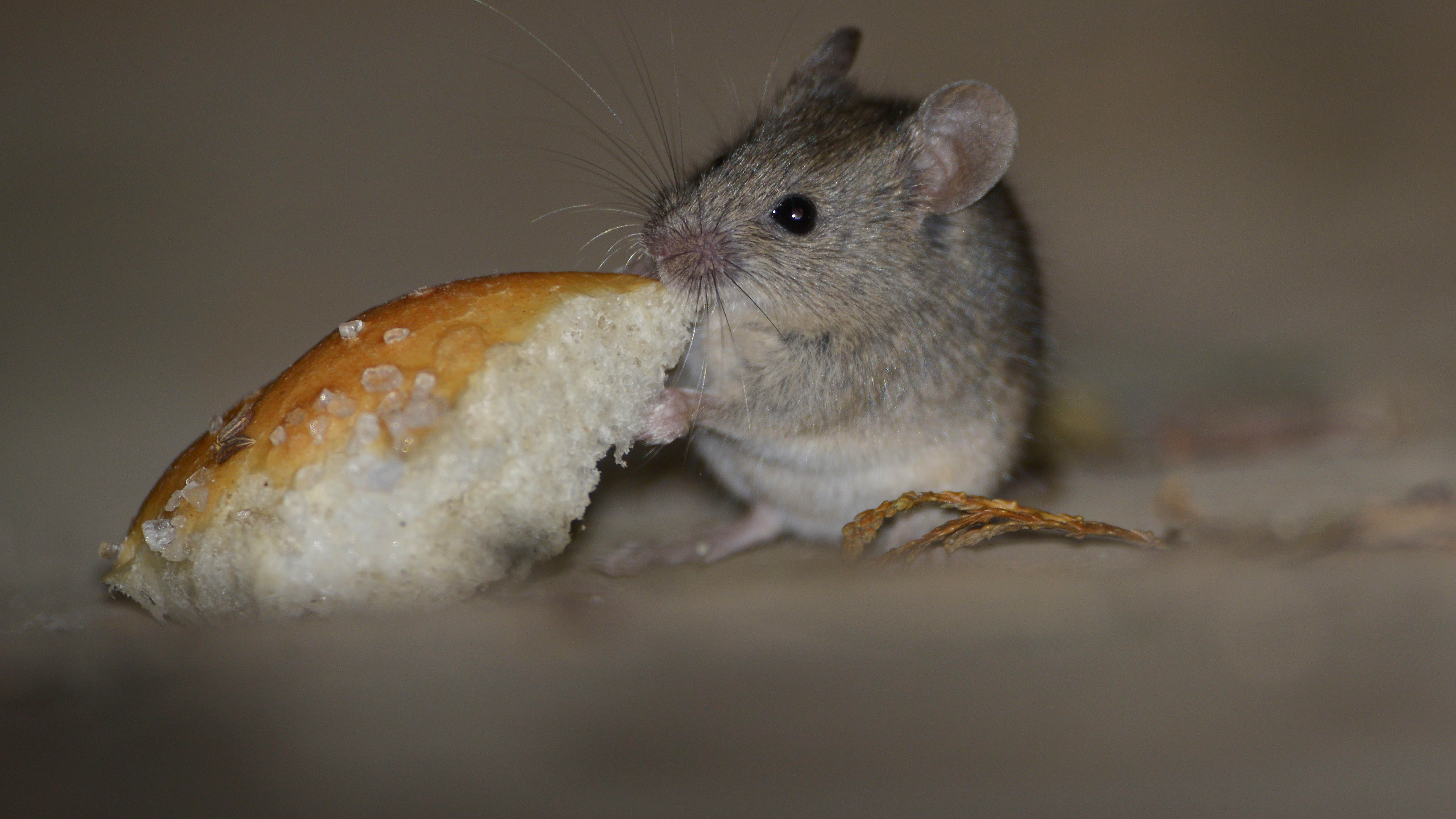
As mentioned, alumimum foil is by no means a fail-proof deterrent, and you must always seal holes, gaps, or potential entryways with silicone sealant or caulk. This includes inspecting your exterior foundation for any holes/damage, and fixing or replacing rotten shingles.
In addition, always remove food sources (including standing water) and keep areas clean and dry, as you don’t want mice to come back for treats. Or — worst case — you can set mouse traps, which is a common and easy way to safely trap and get rid of mice.
“If you want to protect your home from mice, then self-resetting automatic traps are the top choice,” states Blair Calder, President of Automatic Trap Company.
“These self-resetting traps are safe, hands-off, protect kids and pets as well as the environment, and are highly efficient. The self-resetting trap is also much more sanitary for humans, as mice carry many diseases transmitted to humans through their urine and feces.”
Of course, if all else fails and attempts at controlling mice don't work, consider calling in a professional pest control company.

Follow Tom's Guide on Google News and add us as a preferred source to get our up-to-date news, analysis, and reviews in your feeds.