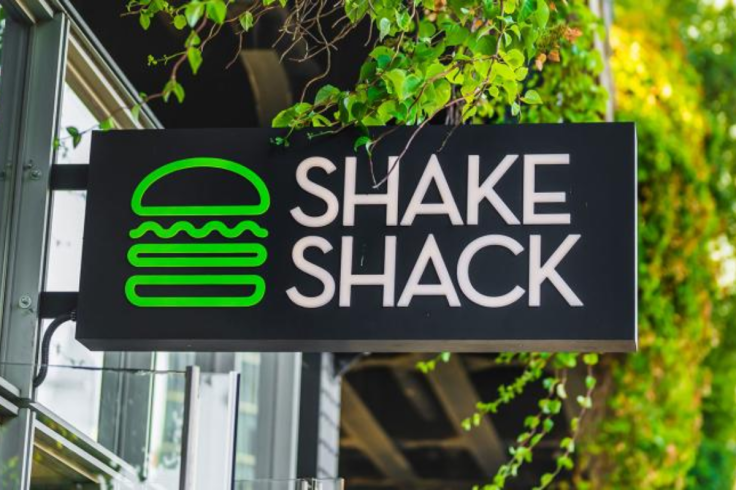
A Shake Shack customer appeared to watch the price of three milkshakes rise by 50 cents each after selecting 'no tip' at a self-service kiosk, sparking a viral debate over whether customers were being penalised for declining gratuity. But Shake Shack has now provided a different explanation for the unexpected price change.
The incident took place at a Shake Shack location inside Salt Lake City International Airport, which is operated by the chain's licensee, HMSHost. The customer, TikTok creator B.D. Powell, shared a video showing the ordering process, which quickly attracted more than 4 million views.
Shake Shack Denies Raising Prices After 'No Tip'
Powell ordered three Classic Shakes, which initially appeared on the kiosk at $5.99 (£4.44) each. After reaching the gratuity screen and selecting 'no tip,' the kiosk displayed a message warning that there had been a pricing update. The shakes subsequently appeared at $6.49 each.
The change added $.50 (£0.37) to the order and led viewers to question whether Shake Shack had effectively introduced a surcharge for customers who declined to tip.
However, Shake Shack said that is not its policy.
Why Did the Shake Shack Prices Change?
In a statement published on 10 August, Shake Shack said HMSHost had investigated the incident and determined that the price increase was caused by an error in the kiosk technology, rather than the customer's decision not to leave a tip. The company said the issue had been resolved.
'It is not Shake Shack policy, nor that of our licensees, to increase the price of menu items when no tip is added,' the company said.
That distinction is important because the viral video establishes that the price change appeared immediately after the 'no tip' selection, but does not by itself prove that declining the gratuity triggered the increase. Shake Shack's explanation attributes the change to a technical problem with the kiosk system.
What Happened at the Shake Shack Kiosk?
The video showed Powell and his wife ordering three Classic Shakes at the airport location. The kiosk then presented tip options of 15%, 18% and 20%, alongside the option to leave no tip.
After Powell selected 'no tip,' a message appeared stating that there had been a pricing update on one or more items. When the order was reviewed again, each $5.99 shake had increased to $6.49.
The timing of the change was what fuelled the online backlash, with some viewers accusing the restaurant of using a hidden 'no-tip' surcharge. Others questioned whether the video proved a direct connection between the tip selection and the price change.
Shake Shack Tipping Debate Fuels Online Backlash
The controversy has also revived a broader debate over tipping culture in the US, particularly as digital tip prompts become more common at self-service kiosks and counter-service businesses.
The incident resonated with customers already frustrated by being asked to leave gratuities in situations where they serve themselves. The viral video therefore became about more than the $.50 price increase, with many viewers questioning when and where tipping should be expected.
Shake Shack founder Danny Meyer has previously addressed the issue. In 2023, Meyer said customers taking food away were not necessarily obligated to tip, describing such a transaction as an exchange in which the customer pays for the food and receives it without traditional table service.
Is Tipping Required at Fast-Food Restaurants?
Tipping at fast-food and counter-service restaurants is generally not considered mandatory. Guidance cited in the supplied reporting distinguishes these transactions from full-service dining, where tipping is more customary because customers receive direct service from wait staff.
The Shake Shack incident has nevertheless highlighted how digital checkout systems can place the tipping decision directly in front of customers, even when they are ordering and collecting food themselves.
For now, Shake Shack says the unexpected move from $5.99 to $6.49 was a kiosk technology error and not a penalty for choosing 'no tip.' HMSHost has told the company that the issue has been resolved.