On Friday, Delhi High Court said it cannot, for now, stop OpenAI from using news agency ANI's reports to train ChatGPT. Justice Amit Bansal's order is India's first real answer to a question courts everywhere are struggling with: when an AI company feeds thousands of articles into a machine without paying for it, is that theft? The judge gave 3 reasons for his order, all under the Copyright Act 1957.
- Feeding ANI's articles into ChatGPT counts as 'fair dealing' for research under Section 52(1)(a). So, it's not infringement.
- Answers ChatGPT gives users are not close enough to ANI's articles to be copies.
ANI could not show that ChatGPT had 'memorised' its stories and was 'spitting' them back out.
Copyright protects the way something is written, not the facts inside it. If a particular media organisation reports that a minister has resigned, no one may lift its sentences. But everyone remains free to report the resignation. This is old law, not something invented for computers. That distinction decides most of this case.
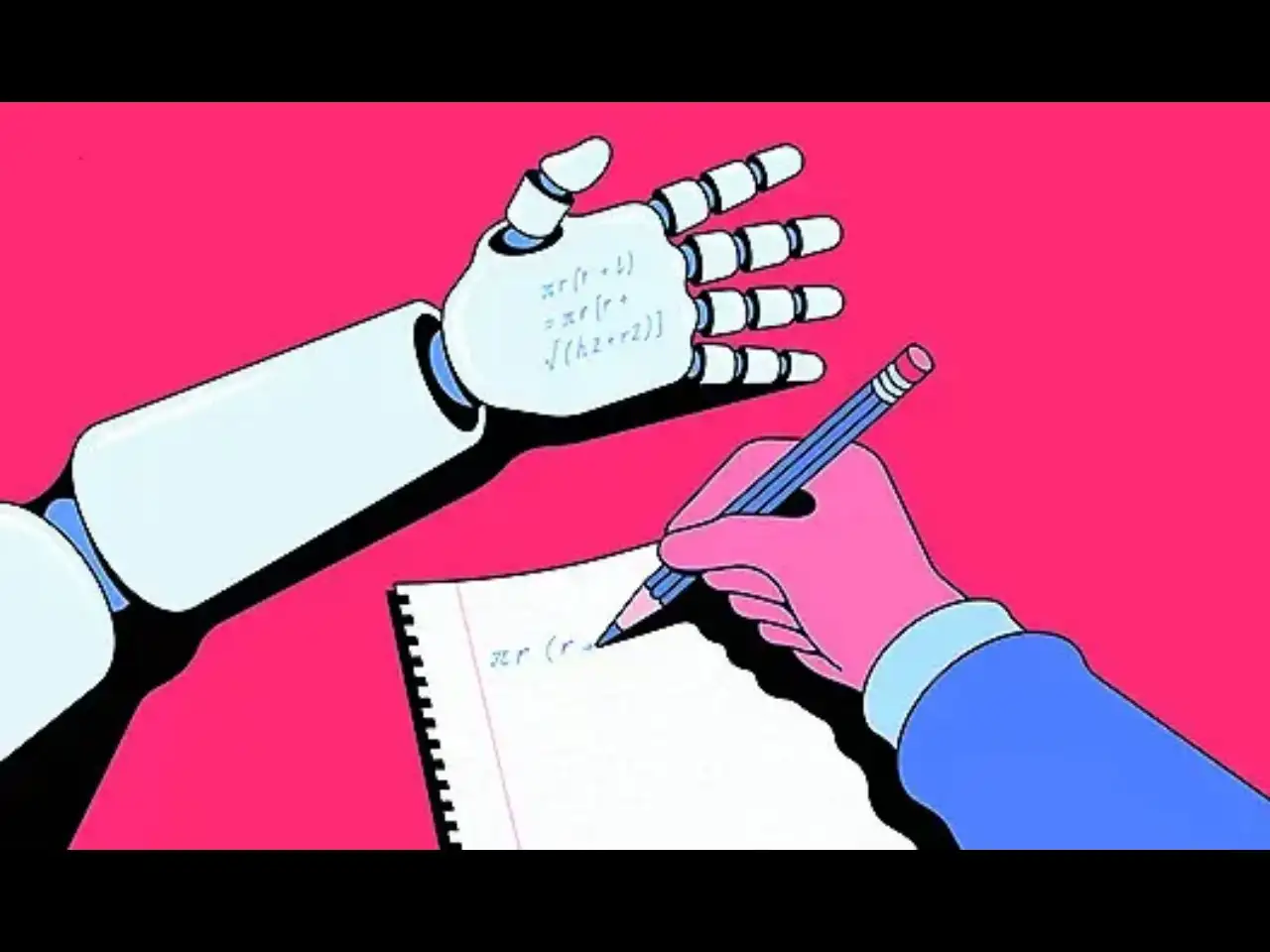
When a model is trained, it does not keep a copy of the article in a drawer. It measures which words tend to follow which, adjusts some numbers, and moves on. Sentences are not stored. Nothing a reader could recognise survives. The real question is not what went in but what comes out. If ChatGPT had reproduced ANI's paras, the agency would have won. It said that happens but could not prove it.
Pertinently, India has no broad US- style 'fair use'. Its law has a fixed list of exceptions, and courts have said it cannot be enlarged. That was OpenAI's danger: a strong argument, and possibly no rule to hang it on.
The interpretation has been that AI training is a form of research and is, therefore, placed on that list. It is a generous reading and likely the main issue on appeal. But there's a fair thought behind it. The law was written in 1957, long before software like this existed. If nothing on that old list could ever fit AI, then India would end up with some of the world's tightest rules because of how the law is worded.
This was emergency relief, sought before any trial. ANI wanted OpenAI to stop storing its material, block ChatGPT from using it, and delete what was already taken in.
Deletion was impossible. OpenAI had told the court that US courts hearing similar cases require it to preserve this very data. An Indian order would have forced it to disobey a foreign one. And if ANI eventually wins, what it has lost is a licensing fee, a wrong that money can surely fix. Emergency orders are for damage that money cannot repair.
The judge also said blocking ChatGPT would hurt the public. Possibly that is the weakest part of the order, and critics are right to press this point. The public's interest in information should not become a free pass for a company that does not pay for its raw material.
In America, 3 judges have given 3 answers.
One held that training on lawfully bought books is fine, but hoarding pirated ones is not, a distinction that cost Anthropic $1.5 bn in a settlement with authors.
Another ruled for Meta, but only because the writers suing could not prove lost earnings.
A third judge rejected Meta's defence outright, stating that the NYT case against OpenAI is still being fought.
Likewise, within days of each other in late 2025, a British court sided largely with an AI image company, while a German court ruled against OpenAI over song lyrics.
One thread runs through all of it: courts punish how the material was obtained and what the machine gives back, but not the learning in between. Nothing is final here. The suit continues, and ANI's other grievance also remains alive: its hallucination claim.
ChatGPT reportedly fabricated stories and falsely attributed them to ANI. That is damage to the latter's reputation, and copyright law was never built to address that harm. For now, the game goes on.