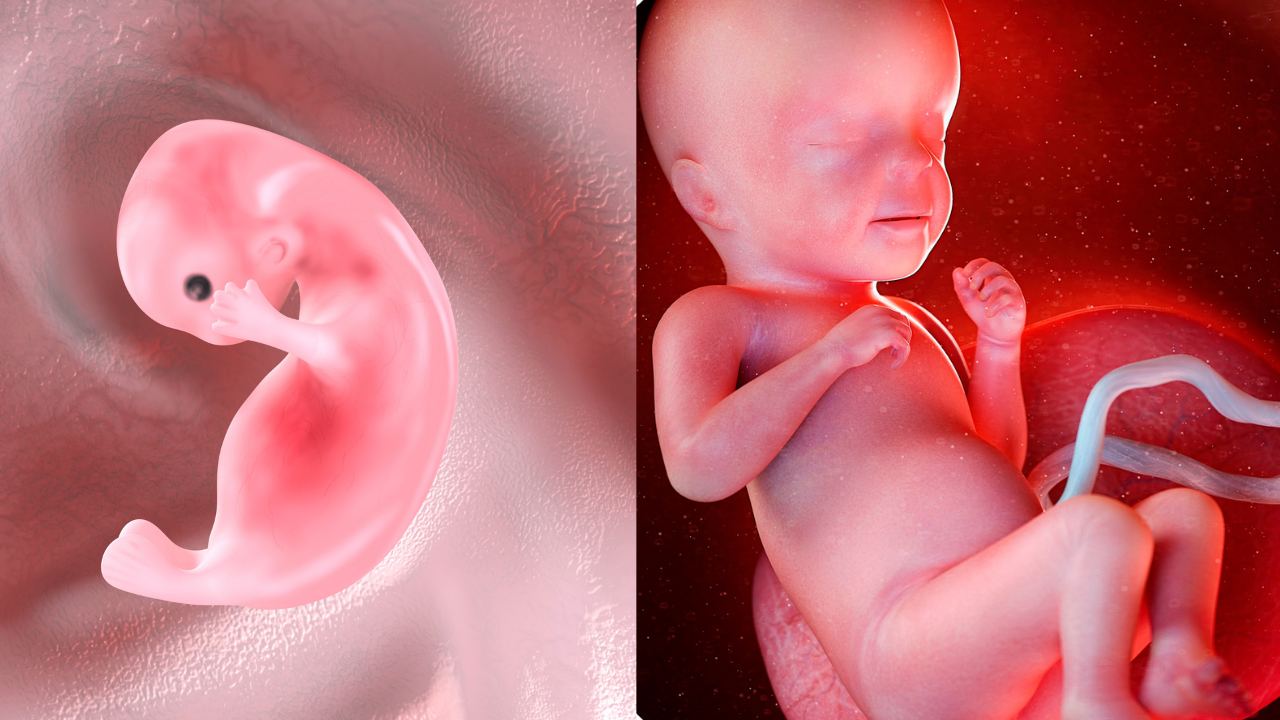
A group of researchers has suggested that the definition of the human embryo needs to be updated. Recent developments have demonstrated that human stem cells can be utilized to form structures that resemble embryos, known as embryo models, which can reproduce some aspects of early embryo development. These organisms don't fit the legal definition of an embryo, hence the regulations governing embryo research do not apply to this research, which presents ethical questions.
The Institute of Molecular Biotechnology in Vienna biologist Nicolas Rivron and his colleagues propose a new definition of human embryos that would encompass embryo models that gain the ability to develop into a fetus in a paper published in Cell on August 17th.

What is an embryo?
Embryo models are collections of embryonic stem cells (ESCs) that have the ability to start differentiating and organizing themselves in ways that mirror the early stages of an embryo. (Alternatively, they can be created using induced pluripotent cells, mature cells that have undergone reprogramming to resemble stem cells.) Some embryo models also contain cells that develop into the uterine lining's supporting tissues, such as the yolk sac's extraembryonic cells and the placenta's trophoblast stem cells. ESCs can be used to create these additional cell types.
Researchers revealed mouse embryo models last year that could grow to an embryo-like stage 8.5 days after fertilization, which is close to half of the gestational period. The embryo models had a body axis, developing limbs, a heart, and a skull. Although human embryo models have not yet progressed to that point, some of the same researchers revealed this year that they had grown human embryo models in vitro to a stage equal, 13–14 days after fertilization.
Researchers can examine development using embryo models, as opposed to real embryos, which are subject to ethical and regulatory restrictions. Human embryos should not be kept outside the body for more than 14 days after conception, according to the International Society for Stem Cell Research (ISSCR), and many countries currently follow this recommendation. Due to this limitation, research on later embryonic phases, which may help in figuring out the reasons behind miscarriages and developmental issues, is mostly based on animal models, which are not always reliable approximations of human development.