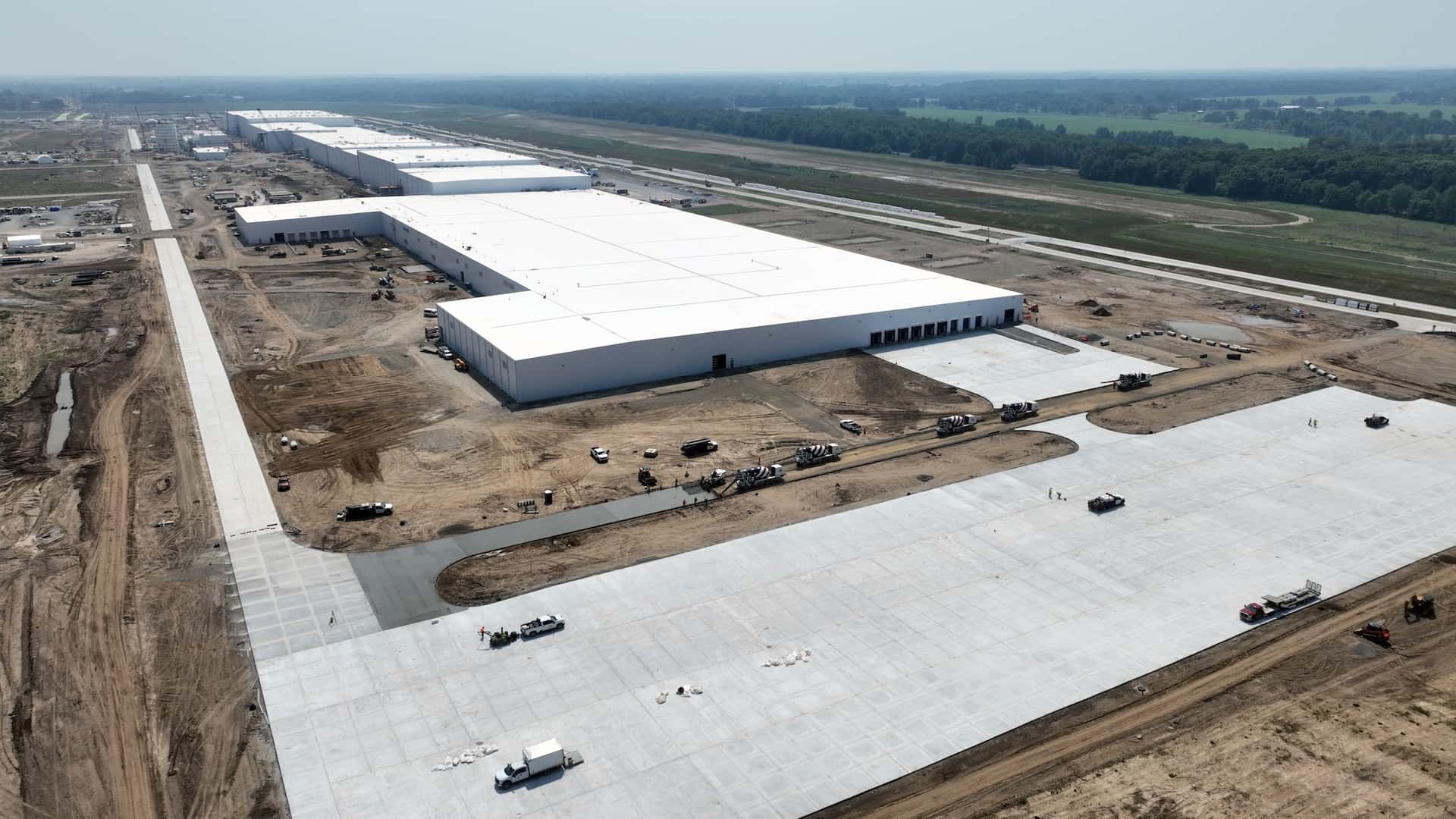
- DOT Secretary Sean Duffy sent Ford CEO Jim Farley a letter urging the automaker to reconsider its deals with Chinese companies.
- Duffy slammed Ford's licensing deal with CATL to make batteries in Michigan.
- Ford said it owns and operates the plant and called the letter a "wrongheaded attempt to capture headlines."
In a letter sent to Ford CEO Jim Farley that was shared on Tuesday, Transportation Secretary Sean Duffy expressed "profound concern" at the automaker's deals with Chinese companies and pressed Farley to cut ties with the country.
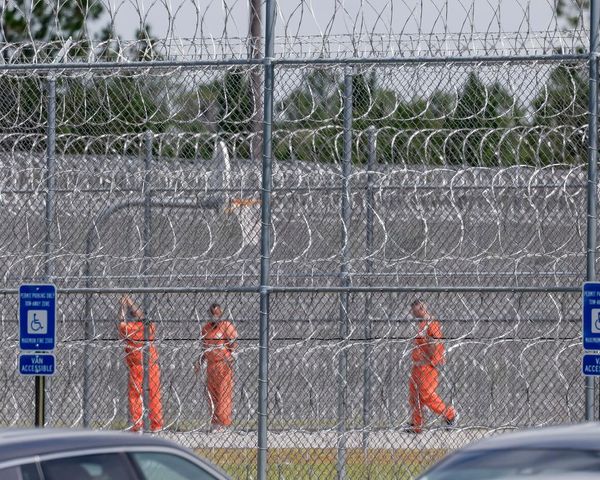
"While DOT recognizes the intense competitive pressures of the global market, the Company's recent strategic decisions paint a troubling picture of a foundational American brand actively intertwining its future with Chinese state-backed enterprises," Duffy said.
Duffy called out a few of Ford's deals with Chinese companies, which are at the forefront of global battery and vehicle manufacturing. He pointed to a partnership with Geely that lets the Chinese company manufacture cars at a Ford plant in Spain. He criticized Ford's decision to continue manufacturing some Lincolns in China until 2030. And he took aim at Ford's technology licensing deal with CATL, under which the automaker is producing lithium iron phosphate (LFP) batteries at a new plant in Michigan. China, and CATL in particular, leads the world in production of LFP batteries, which are durable, cheaper cells that have boomed in popularity in recent years.
"DOT remains deeply alarmed by Ford's continued reliance on licensed technology from Chinese battery manufacturer CATL at the operational BlueOval Battery Park facility in Marshall, Michigan," Duffy wrote.
In a response shared with InsideEVs, the carmaker noted that the plant is owned, controlled, and staffed by Ford. "While others continue to import Chinese batteries, Ford is investing to build batteries here in America. The CATL arrangement is a limited technology-licensing and services agreement, not a joint venture or foreign-owned manufacturing operation," the company said.
Ford also called the letter "a wrongheaded attempt to capture headlines" and pointed out that the White House praised the battery plant in a press release mere days ago.
The CATL ties made the plant politically contentious from the start. Today it is ramping up battery production and will make LFP batteries for Ford's upcoming $30,000 EV pickup, the Fathom.
Pushback against Chinese cars and carmakers has intensified in Washington as of late, becoming practically the only issue that both sides of the aisle can agree on. A new bill that would bar companies with more than a 15% Chinese ownership stake from selling cars in the U.S. passed the Senate Commerce Committee in July with unanimous bipartisan support. That would go into effect on top of existing rules banning certain Chinese vehicle technologies (which forced Polestar out of the U.S.), and in addition to a 100% tariff on Chinese-made cars. Both of those policies on the books were Biden-era initiatives.
There's an irony to Washington's effort to wall off America from Chinese cars. As China further cements its astonishing lead in EVs, Republicans in the U.S. have drastically pulled back federal support for that industry. Critics of the administration's policies say that puts America on the back foot when it comes to the automotive industry of the future.
Contact the author: [email protected]