Get all your news in one place.
100’s of premium titles.
One app.
Start reading
The Guardian - UK
The Guardian - UK
Politics
Lisa O’Carroll

‘I’ve had vets chasing lorries down the motorway’: The ‘hell’ of post-Brexit paperwork

Long queues of cars and lorries at the port of Dover
Brexit paperwork has left lorries stranded in Dover and Calais for weeks at a time. Photograph: Dan Kitwood/Getty Images

British vets have been forced to chase lorries down the motorway on their way to Dover due to the “pure hell” of Brexit paperwork needed by inspectors in Calais, MPs have been told.

Toby Ovens of Broughton Transport told the business and trade committee that Brexit has been a costly and logistic nightmare, and hopes of a reset with the EU represented “light at the end of the tunnel”.
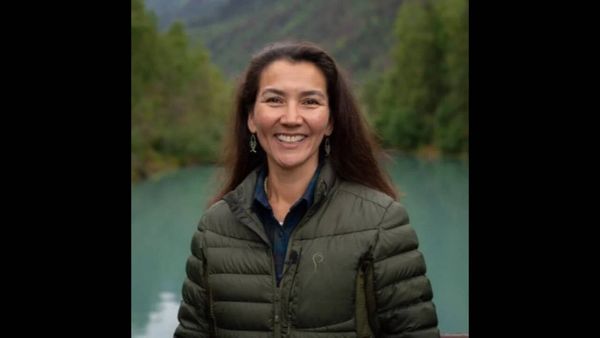
Brandishing a wad of paperwork with 26 stamps compared with one sheet needed before Brexit, Ovens criticised the post-Brexit bureaucracy he faced when shipping lamb and beef to the continent.

“I’ve had vets chasing lorries down the M4 because they have suddenly realised they didn’t put the stamp in the right place on a piece of paper.”

His worst experience was a truck full of frozen meat held in Calais for 27 days due to a “paperwork error”. He ended up having to charge his customer £16,000 to have drivers sit with the refrigerated truck in Calais for the month.

He said trucks were being detained at Calais before Christmas because inspectors would not accept new UK paperwork for BSE clearance.

In the end they rerouted one lorry in Chippenham for a meeting with a vet who handed over a bundle of new BSE certificates to take to Calais for the trucks being detained in the port.

The first-hand accounts confirm the pre-Brexit warnings of exporters, hauliers and small businesses who could not afford the paperwork.

Ovens’ remarks come as Brussels negotiators prepare for their first meeting over a new veterinary agreement with the EU in London next week, aimed at wiping out Brexit red tape.

Liam Byrne, chair of the committee, opened the evidence session by telling witnesses that red tape was costing the UK an extra £8.4bn.

“Goods trade is down 18% on five years ago, food and drink down 24%,” he said.

Talks on removing the red tape on goods and drink exports begin in London next week, with a second meeting scheduled for Brussels the following week as both sides try and hammer out a sanitary and phytosanitary agreement.

Tom Bradshaw, president of the National Farmers’ Union, highlighted technical challenges in getting a deal where approaches to farming have already diversified.

He said: “Oat farmers are currently allowed to use four mycotoxins that are allowed in the UK but not yet in the EU. Does this require a transition agreement?”

Sean McGuire, director for Europe at the Confederation of British Industry, said the EU has been “very very lukewarm” on other issues such as mutual recognition of professional qualifications such as architecture.

Sign up to read this article
Read news from 100’s of titles, curated specifically for you.
Already a member? Sign in here
Related Stories
Top stories on inkl right now
One subscription that gives you access to news from hundreds of sites
Already a member? Sign in here
Our Picks
Fourteen days free
Download the app
One app. One membership.
100+ trusted global sources.