ON the scale of COVID-caused disruptions, the sudden cancellation of a school bus might not seem a big ticket item.
But as one Hunter bus operator tells our education reporter Helen Gregory today, the 2003 murder of a Queensland 13-year-old, Daniel Morcombe, happened after the bus he was waiting for failed to arrive.
We all know, now, to expect the unexpected when it comes to COVID.
At the same time, however, the virus can never become an accepted reason for letting the machinery of society run ragged, let alone grind to a halt.
And that's all the more the case when it comes to the two groups in society who most need the assistance of others; children, and the elderly.
From the start of the pandemic, the Newcastle Herald's editorials have stressed a basic truth of this virus; that its impact increases with age of the sufferer.
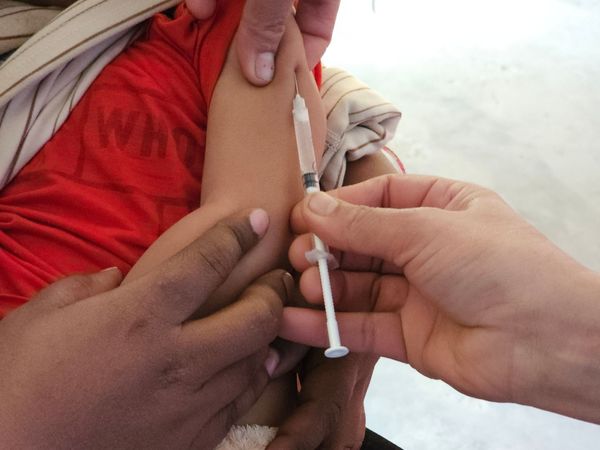
As helpful as they are, the vaccines have proved to be less than complete protection against illness and death. COVID-19 may no longer a "novel" coronavirus but its short-term impact can be severe, and long COVID is a growing worry.
The respected Johns Hopkins University COVID dashboard shows clearly that the planet is again in the grip of an escalating wave of infections.
Case numbers have doubled since the most recent bottom of the curve, in May.
Fatalities - while down on previous waves - are also rising, with more than 2000 deaths worldwide a day. Globally, Australia's position continues to deteriorate, with more than 1.1 million cases and 1480 deaths in the past 28 days.
This makes us the third most infected nation on a population basis, and the seventh in overall case numbers.
As the pendulum of COVID hope swings backwards and forwards, it leaves the trail of a wrecking ball.
Even with the history of past pandemics as a guide, few expected the turmoil to last this long.
The end of mandated restrictions may have handed us back our freedom, but the present settings effectively treat the virus as something that all of us will catch, sooner or later.
We are, more than ever, responsible for our own health.
But the burden remains where it has been from the start; with the doctors, nurses, aged care workers and other workers whose jobs put them up close and personal with the virus.
ISSUE: 39,931