
Get all your news in one place.
100's of premium titles.
One app.
Start reading
The Conversation
The Conversation
Politics
Jóhanna Kristín Birnir, Professor Comparative Politics, University of Maryland

COVID-19 restrictions unexpectedly reduced Islamic State violence – political science experts explain why

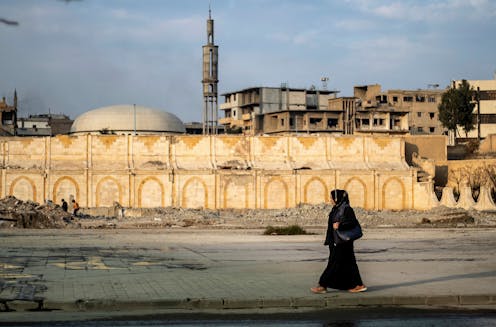
A woman walks in Raqa, the former Syrian capital of the Islamic State, in December 2020. Delil Souleiman/AFP via Getty Images

World leaders and policy experts at the outset of the COVID-19 pandemic feared that the health crisis might make the world more dangerous. They worried specifically that terrorist organizations like the Islamic State group would capitalize on the pandemic to increase attacks on civilians and recruit new sympathizers.

In some ways, the pandemic presented an opportunity to groups like the Islamic State group, known by the initials IS, because the sudden increase in health spending strained many countries’ budgets and diverted attention away from extremism. Governments’ COVID-19 responses also called on police and armies to deliver health care services in some cases.

Sign up to read this article
Read news from 100's of titles, curated specifically for you.
Already a member? Sign in here
Related Stories
Top stories on inkl right now
One subscription that gives you access to news from hundreds of sites
Already a member? Sign in here
Our Picks
Fourteen days free
Download the app
One app. One membership.
100+ trusted global sources.







