Night sweats can be uncomfortable, confusing, and even alarming—especially when they appear unexpectedly. Waking up drenched in sweat, throwing off blankets, or feeling overheated despite a cool room often leads people to wonder: could night sweats be a sign of pregnancy? Disrupted sleep during this stage can feel overwhelming, particularly when your body is already adjusting to rapid changes.
It makes proper nighttime support—such as a well-designed pregnancy pillow for back pain—an important consideration for comfort and temperature regulation.The short answer is yes, they can be, particularly in early pregnancy. Understanding why night sweats happen, when they typically begin, and how to manage them can provide reassurance during this uncertain stage.
 The Hormonal Tidal Wave: Why Estrogen and Progesterone Drive Temperature Swings
Pregnancy triggers one of the most dramatic hormonal shifts the human body ever experiences. Shortly after conception, levels of estrogen and progesterone rise rapidly to support implantation and fetal development.
These hormones directly influence:
- Blood vessel dilation
- Metabolic rate
- Sweat gland activity
- The brain’s temperature regulation center.
Beyond Basal Temperature: How Night Sweats Manifest as an Early Symptom
Many people associate early pregnancy temperature changes with basal body temperature tracking, but night sweats are a more noticeable—and disruptive—manifestation.
Pregnancy-related night sweats may look like:
- Waking up with soaked pajamas or sheets
- Feeling flushed or overheated during sleep
- Needing to change clothes or bedding overnight
- Chills after sweating subsides
The Physiological Reason: Increased Blood Volume and Faster Metabolism at Work
Hormones are only part of the story. Early pregnancy also initiates major internal changes that contribute to night sweats.
Increased blood volume
By the first trimester, the body begins producing significantly more blood to support the uterus and placenta. This increased circulation generates additional heat.
Faster metabolism
Pregnancy slightly raises metabolic rate as the body works harder to nourish developing tissues. This metabolic uptick can lead to excess warmth, especially during rest.
Vasodilation
Blood vessels expand more easily under the influence of pregnancy hormones, increasing heat loss through the skin—and triggering sweating as the body tries to regulate temperature.
The First Trimester Timeline: When Night Sweats Typically Start and Peak
Night sweats related to pregnancy most commonly appear in the first trimester, though timing varies from person to person.
Typical timeline:
- Weeks 2–4: Hormonal changes begin; some experience mild night warmth
- Weeks 4–6: Night sweats may start appearing more consistently
- Weeks 6–10: Symptoms often peak as hormone levels surge
- After first trimester: Night sweats may lessen, though some continue throughout pregnancy
For some women, night sweats fade as the body adapts. For others, they return in later pregnancy or postpartum when hormone levels shift again.
The Hypothalamus Effect: How Hormones Confuse Your Brain’s Thermostat
The hypothalamus is the part of the brain responsible for regulating body temperature. Pregnancy hormones can interfere with how this “thermostat” functions.
Estrogen fluctuations may:
- Lower the threshold for sweating
- Cause exaggerated responses to small temperature changes
- Trigger heat-dissipation mechanisms unnecessarily
As a result, your body may think it’s overheating even when it isn’t—leading to excessive sweating during sleep.
Sleep Disruption and Distress: Managing the Impact of Waking Up Drenched
Night sweats don’t just affect comfort—they can significantly disrupt sleep quality, which is already vulnerable in early pregnancy.
Common consequences include:
- Difficulty falling back asleep
- Increased fatigue during the day
- Mood irritability
- Anxiety about nighttime discomfort
Poor sleep can amplify other early pregnancy symptoms such as nausea, headaches, and emotional sensitivity, creating a feedback loop of discomfort.
Immediate Relief Strategies: Simple Ways to Stay Cool and Dry at Night
While you can’t control pregnancy hormones, you can take steps to minimize night sweat discomfort.
Practical cooling strategies:
- Wear loose, breathable cotton sleepwear
- Use lightweight, moisture-wicking sheets
- Keep bedroom temperature cool (18–21°C if possible)
- Avoid heavy blankets or layered bedding
- Stay hydrated during the day
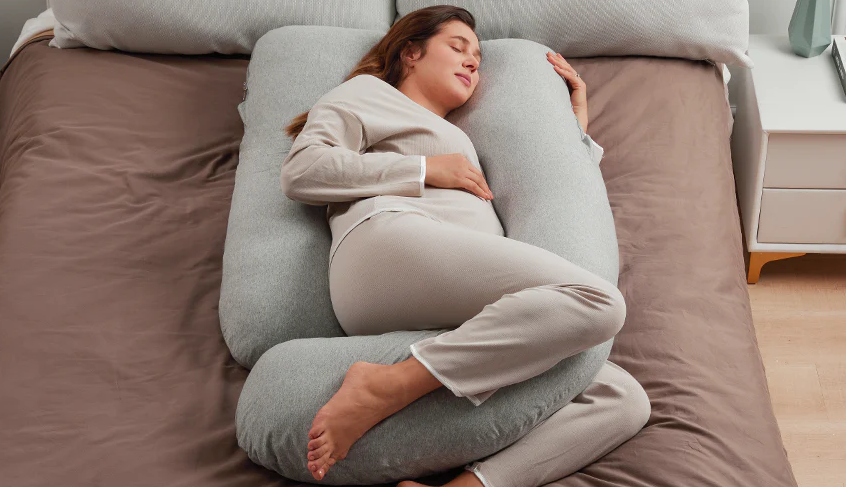
Sleeping on your side with proper alignment can improve airflow and comfort. A pregnancy pillow for back pain can help support the spine while reducing pressure and heat buildup, especially as sleep positions shift early in pregnancy.
Differentiating the Cause: When to Talk to Your Doctor About Night Sweats
While night sweats can be an early pregnancy symptom, they can also be caused by other conditions. It’s important to consider context.
Night sweats may be pregnancy-related if:
- They appear alongside missed periods, breast tenderness, or fatigue
- They occur without fever or illness
- They fluctuate with hormonal changes
Talk to your doctor if night sweats:
- Are accompanied by fever or chills
- Are severe or worsening rapidly
- Occur with unexplained weight loss
- Continue long after the first trimester without explanation
Medical conditions such as infections, thyroid disorders, or medication side effects can also cause night sweats and should be ruled out if symptoms are concerning.
Are Night Sweats a Reliable Pregnancy Sign?
Night sweats alone are not a reliable indicator of pregnancy. However, when combined with other early symptoms, they can be a meaningful clue.
More reliable early pregnancy signs include:
- Missed or late period
- Breast tenderness
- Nausea or food aversions
- Fatigue
- Frequent urination
If pregnancy is suspected, a home pregnancy test or blood test provides confirmation.
Emotional Reassurance: What Night Sweats Say About Your Body
Experiencing night sweats can feel unsettling, especially when you’re unsure what’s happening inside your body. It’s important to remember that these changes are typically a sign of your body adapting, not malfunctioning.
Pregnancy demands rapid physiological adjustment. Temperature regulation is just one of the systems temporarily thrown off balance in the process.
For many, night sweats are temporary and manageable—and often ease as hormone levels stabilize.
Conclusion: Could Night Sweats Be a Sign of Pregnancy?
Yes—night sweats can be an early sign of pregnancy, driven by hormonal surges, increased blood volume, and metabolic changes that affect how your body regulates temperature. They commonly appear in the first trimester and may precede more recognizable pregnancy symptoms.
However, night sweats are not definitive on their own. If you suspect pregnancy, testing and medical guidance are essential. In the meantime, prioritizing sleep comfort, cooling strategies, and supportive sleep positioning can help you navigate this phase with greater ease.