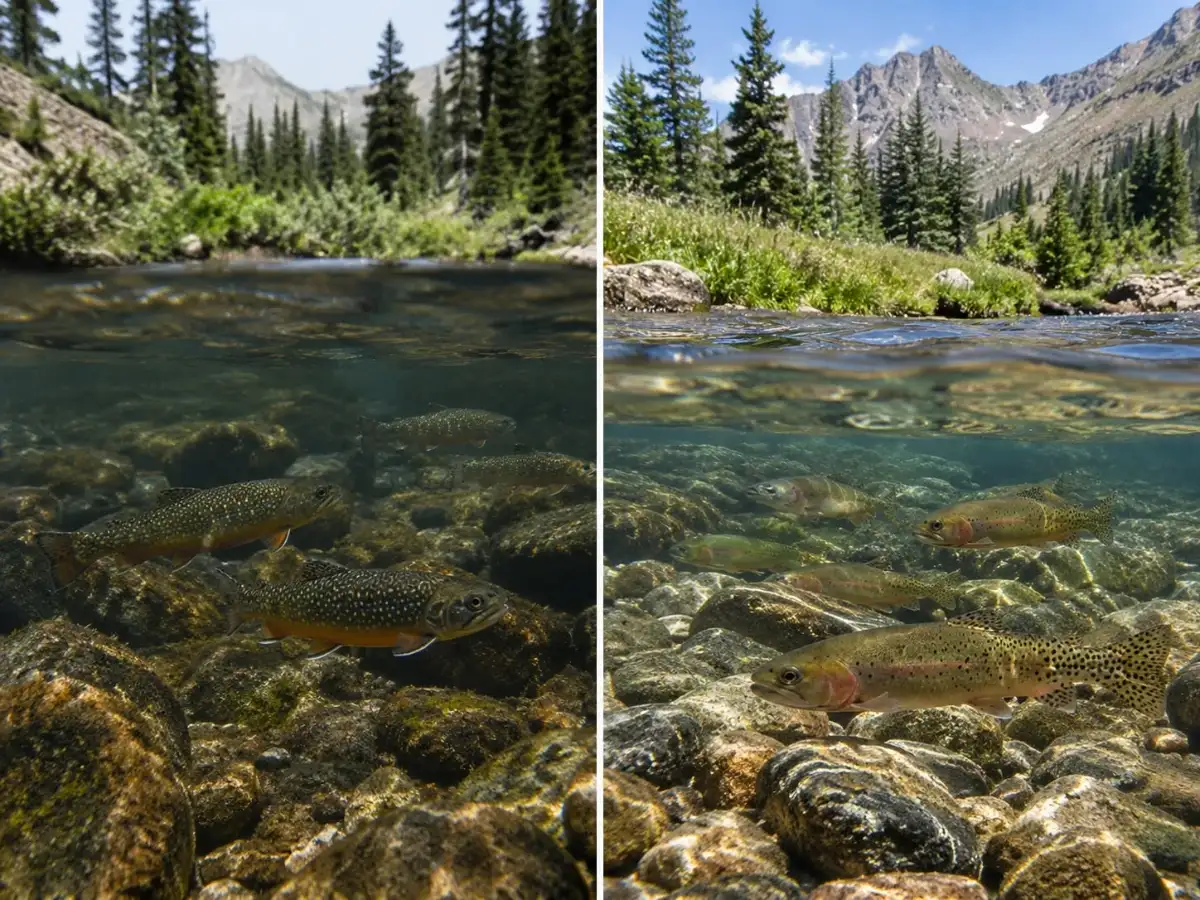
Somewhere below the Continental Divide, in a stretch of Grand County, Colorado, most hikers won't get close to, a fish barely anyone has heard of just made a notable conservation victory in the American West. In 2011, biologists counted 123 green lineage cutthroat trout in two small streams, Bobtail and Steelman Creek. By 2024, that number had grown to 1,425, more than an 11-fold increase over 13 years.
According to Denver Water, the utility that draws up drinking water for 1.5 million people from this same watershed, the turnaround came from one not very glamorous, decade-long intervention: physically removing an invasive fish one stream at a time. The reversal is real, but it covers only two creeks; researchers continue to warn that invasive trout and warming streams are closing in on hundreds of other isolated cutthroat populations across the region. It’s a story about what decade-long, multi-agency persistence looks like.