
Key Highlights: Men's
- Men's thermals work as a thermal wear base layer that helps support body temperature in cold weather conditions.
- The right layering system improves heat retention without adding bulky outer layers for outdoor activities.
- Fabric choice matters because moisture management affects comfort during long hours outside.
- A snug fit helps trap warm air while still allowing easy movement.
- Lightweight, midweight, and heavier options suit different weather conditions and daily needs.
- Simple care and smart storage, such as wardrobe storage or packing cubes, help thermals last longer.
Introduction
Cold mornings can make any walk, commute, or winter hike feel harder than it should. That is why men's thermals matter. The right thermal wear gives you a reliable base layer in cold conditions, helping you stay warm without feeling heavy or stiff. If you want comfort, easy layering, and better day-to-day winter use, choosing carefully makes a real difference.
Understanding Men’s Thermals for Winter Activities
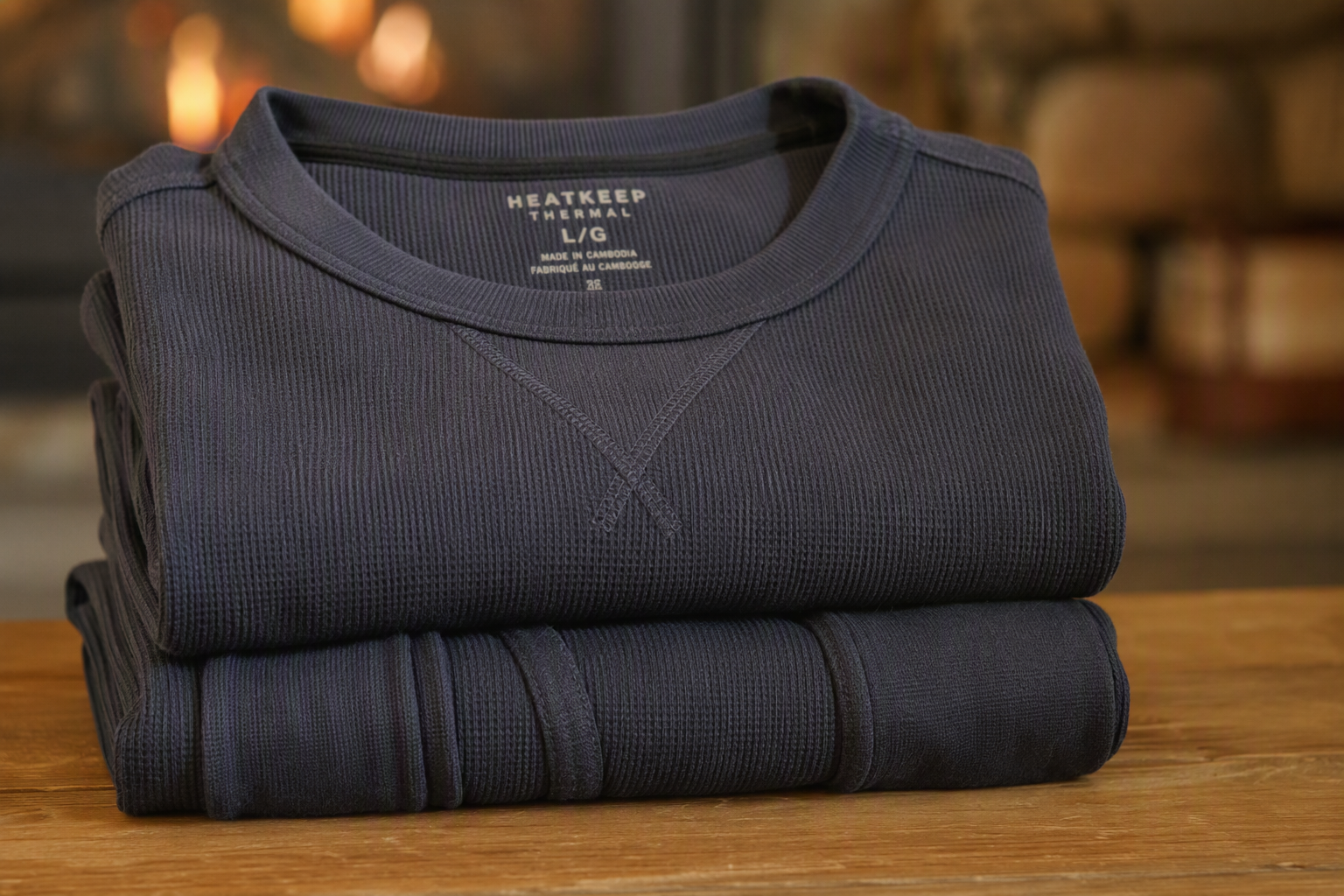
Men’s thermals are made to sit close to your skin as a base layer. In cold weather, they support temperature regulation by holding body heat close while fitting neatly into a layering system for outdoor activities.
Common options include organic cotton, cotton and wool blends, merino wool, and synthetic fabrics. They differ in feel, warmth, and how they handle moisture, so your choice should match your activity and how your body reacts to winter conditions.
The Key Benefits of Wearing Men’s Thermals
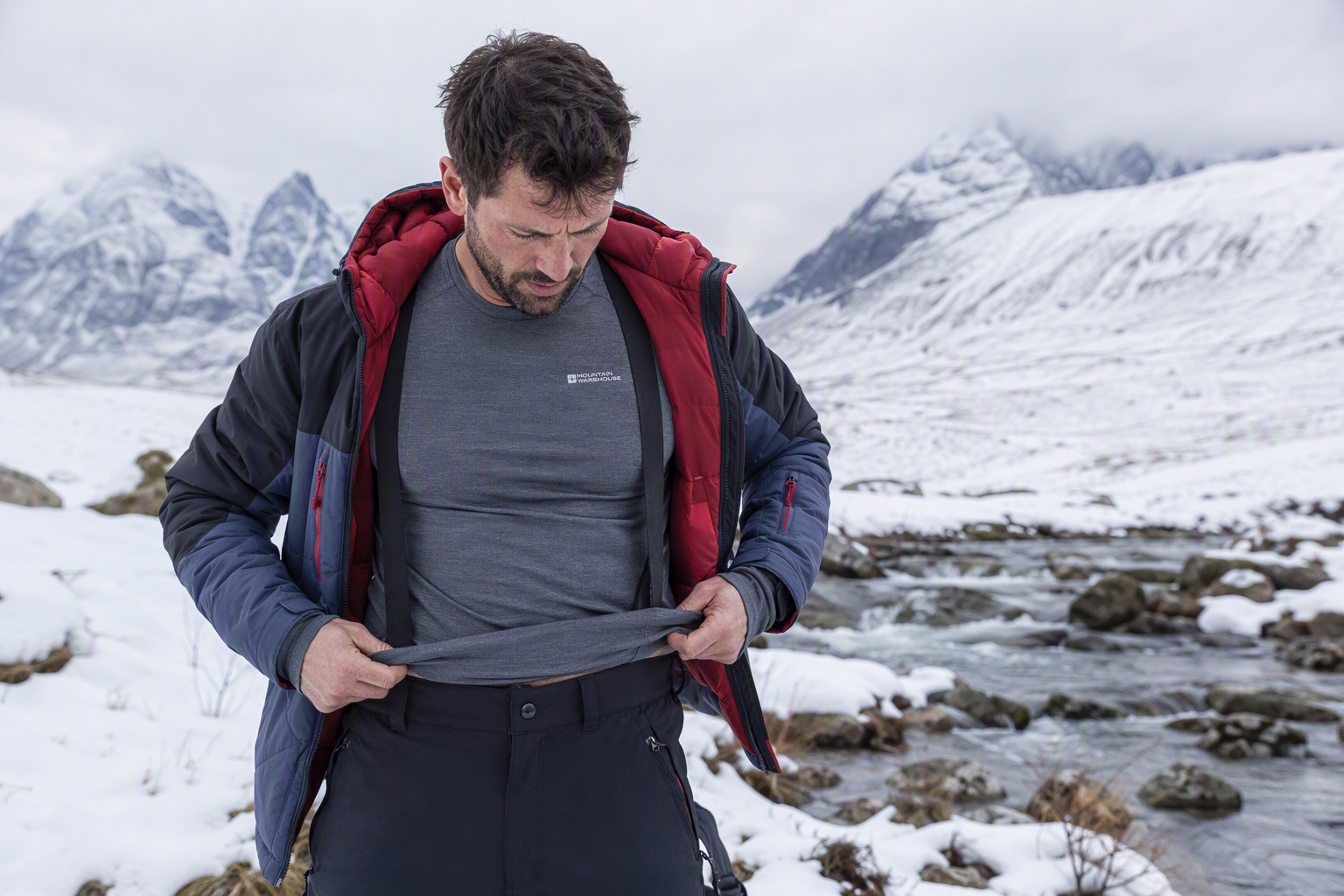
The main benefits are simple: heat retention, easier temperature regulation, and better comfort. A good pair helps keep body temperature steady, so you do not feel the sharp change between cold air outside and warmer indoor spaces.
That matters on an outdoor adventure or even a normal winter workday. Good moisture management also helps because damp fabric can make you feel colder, faster. The next two sections break down warmth and comfort in a practical way.
Warmth and Protection Outdoors
Yes, men’s thermals are suitable for layering under regular clothes. They add warmth by creating a light layer of insulation close to your skin, which supports heat retention without making you feel wrapped up in heavy bulk.
That added warmth helps in cold conditions when you are walking, commuting, or spending long hours outdoors. A long-sleeved thermal top under a shirt or knit can make a noticeable difference on windy mornings.
MUJI’s seam-free construction is useful here because it reduces pressure points under workwear or outdoor gear. That means thermal wear can fit under regular clothing more smoothly while still helping with everyday warmth.
Comfort and Moisture Control
Warmth alone is not enough if fabric feels clammy after movement. Good moisture management helps wick moisture away from the skin, which supports comfort and helps maintain a steadier body temperature through changing conditions.
Fit matters just as much. Thermals should feel close, not restrictive, so you keep a full range of motion when walking, working, or handling gear. A too-loose layer can leave cold gaps, while a very tight one can feel uncomfortable.
Natural fibres that breathe with your body can help avoid that trapped, stuffy feeling. This is useful when your day includes movement outdoors and then time inside, where overheating can become just as annoying as the cold.
Choosing Men’s Thermals: Main Considerations
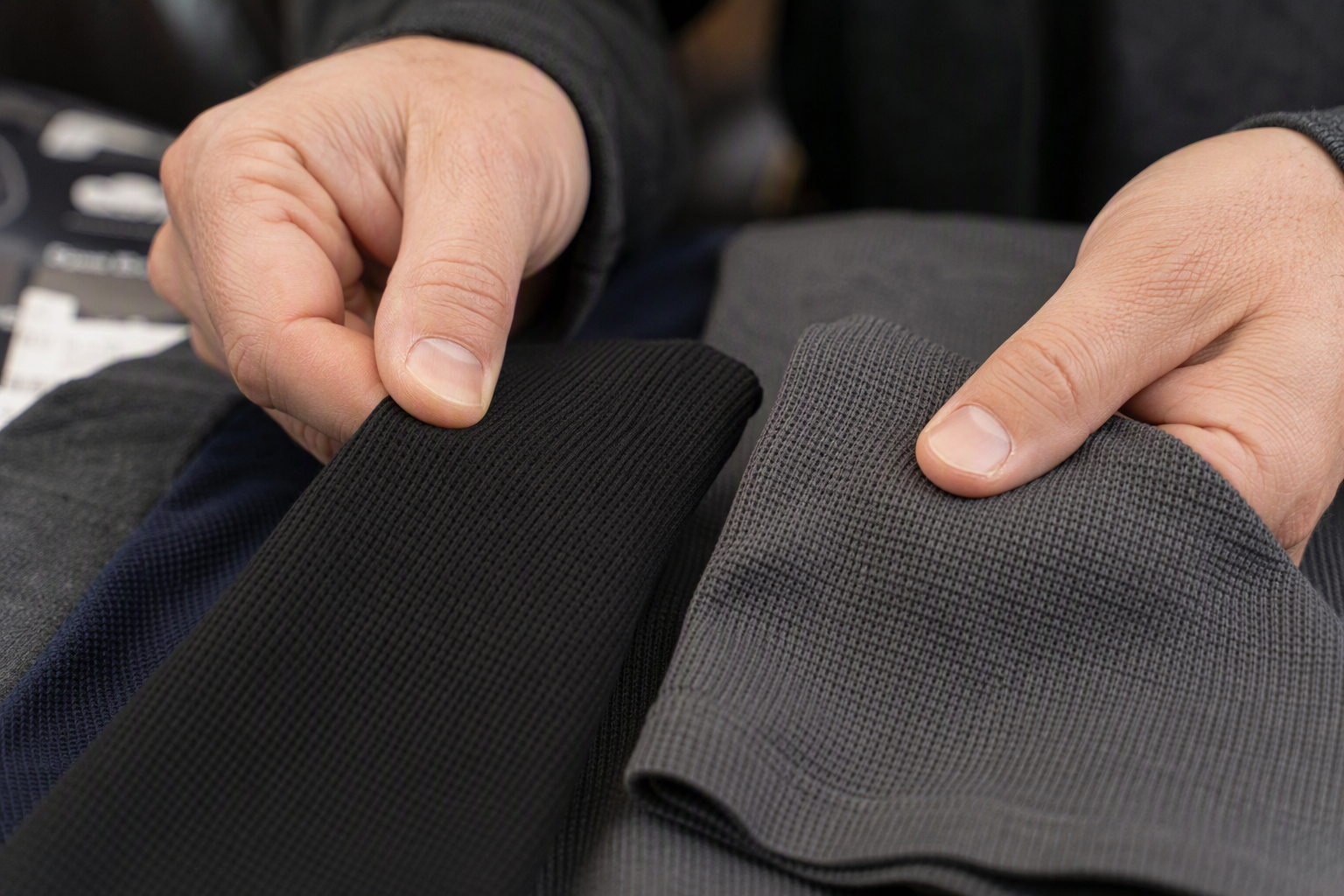
Choosing men's thermals starts with three things: your activity, your local weather conditions, and how you layer. A thermal base layer for desk work, travel, or a light outdoor adventure may not be the same one you want for longer cold exposure.
You should also think about fabric feel, seam comfort, and how often you plan to wear them. The sections below make those choices easier by linking thermals to use and climate.
Matching Thermals to Your Winter Activity
A simple way to choose is to match thermal wear to how active you will be. Your body temperature changes differently during walking, standing still, or moving between indoor heat and cold environments.
Look for features that help your layering system work, not fight you. Seam-free construction, breathable fabric, and the right thickness often matter more than extra detail you may never use.
- For daily commuting, pick a light base that sits neatly under regular clothing.
- For long outdoor activities, focus on comfort across changing temperatures.
- For lower movement in cold environments, choose more insulation and stronger heat retention.
- For mixed-use days, breathable fabric helps stop overheating indoors.
Picking Thermals for Different Australian Climates
Australian winter can still vary a lot from one day to the next, so thermal clothing should match the weather conditions you actually face. That is why fabric weight and layering system choices matter more than buying one type for everything.
If your mornings are cool and afternoons are milder, lighter options often make more sense. In colder conditions, you may want thicker layers or a cotton and wool mix for more steady warmth.
|
Weather conditions |
Suggested thermal clothing approach |
|
Mild cold temperatures |
Lightweight thermal base layer under regular clothing |
|
Changeable cold weather conditions |
Breathable layer that handles moisture and indoor-outdoor shifts |
|
Colder winter days |
Midweight or thicker thermal layer for stronger insulation |
|
Long hours outside |
Layering system with thermals plus outer layers for better warmth |
Types of Men’s Thermals Available
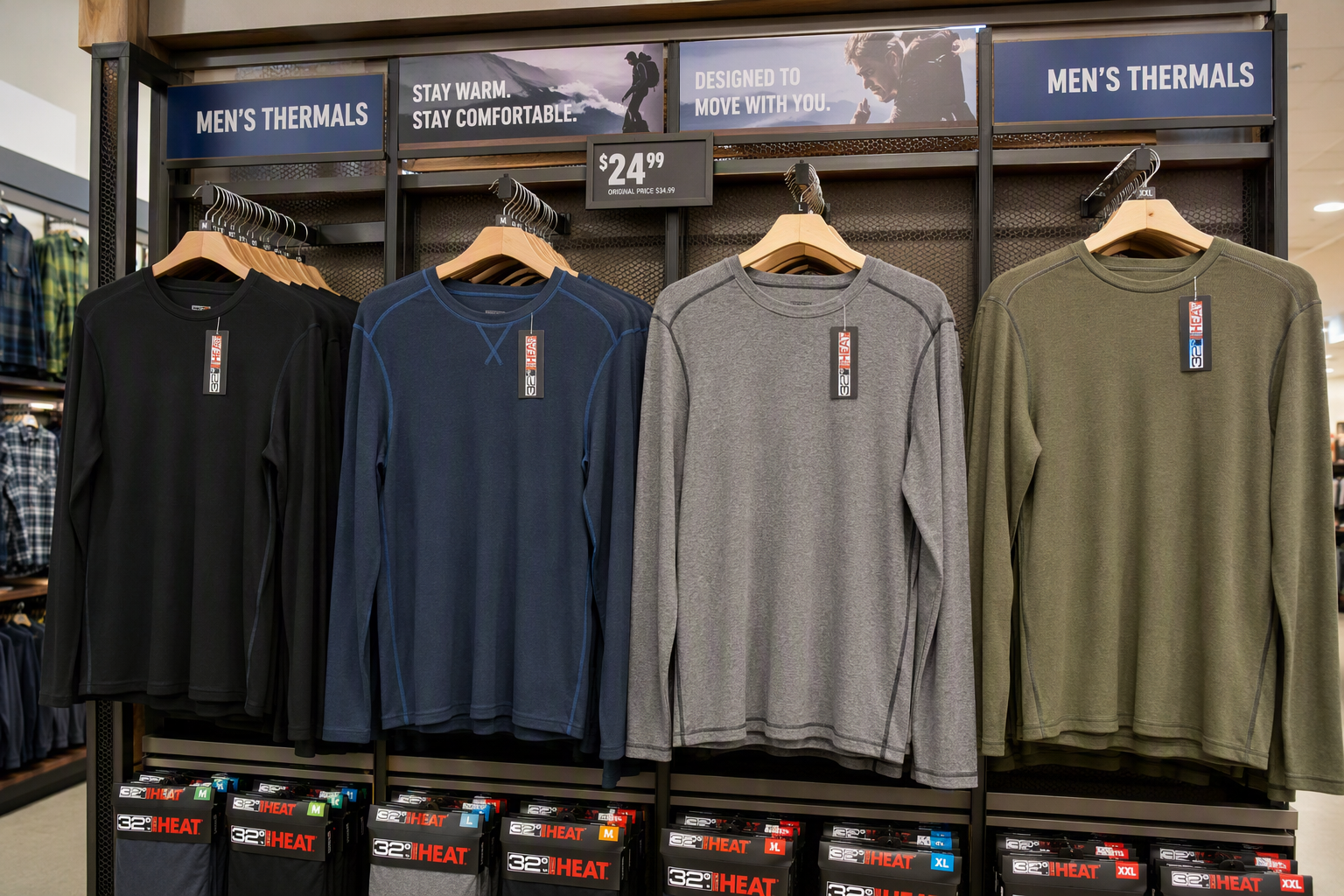
Men’s thermal clothing comes in different materials and fabric weight options. Common choices include synthetic fabrics, merino wool, cotton, and blends. Each one handles warmth, breathability, and feel in its own way.
MUJI highlights organic cotton and cotton-wool blends, which offer soft comfort and reliable warmth. That gives you a practical place to start if you want simple thermal wear that works for daily winter use.
Lightweight and Everyday Options
Lightweight thermals are often the easiest entry point because they slide under regular clothing without bulk. They work well as a base layer for everyday wear, especially when you need warmth that still feels normal indoors.
This is useful for office days, travel, or weekends when conditions are cool but not severe. A lightweight long-sleeved top or long johns can give steady comfort without changing how your clothes fit.
Some people prefer synthetic materials for active use, while others like cotton for softness. If you are building a tidy winter routine, store them with men's pyjamas, MUJI cotton pyjamas, or other basics using shelving units to keep daily layers easy to grab.
Midweight and Heavyweight Thermals for Extreme Cold
When cold weather becomes harder to manage, midweight or heavyweight thermals offer more protection. They create a stronger layer of insulation, which improves heat retention during long exposure or lower movement outdoors.
This kind of thermal wear can be useful for very cold mornings, longer waits outside, or trips where indoor warmth is not close by. If you feel cold easily, the extra fabric weight may be worth it.
Merino wool is often chosen for warmth and breathability, while cotton-wool blends can also support steady comfort. The key is to avoid wearing heavyweight layers when your day includes lots of indoor heating and frequent movement.
Ensuring the Perfect Fit
Fit decides whether thermals help or annoy you. For proper heat retention, they should have a snug fit that sits close to the body without pinching, twisting, or limiting movement.
You want a comfortable fit that supports a full range of motion and overall comfort all day. The next two sections explain how size changes warmth and how to test fit before you commit.
How Size Influences Warmth and Comfort
A snug fit helps hold body heat near the skin, which is exactly what a base layer is meant to do. If thermals are too loose, they can shift under clothes and let warmth escape more easily.
At the same time, a tight fit is not the goal. If fabric presses too hard, it can feel distracting and reduce comfort during longer wear. You want enough stretch to move naturally.
A good check is simple: can you lift your arms, sit, and walk without pulling or bunching? If yes, you are more likely to keep a comfortable body temperature through the day.
Tips for Trying On and Measuring Men’s Thermals
Before buying, think about how you will really wear the thermal base layer. Try it with the type of shirt, trousers, or outer layer you use most often, because thermal fabrics can feel different once layered.
A practical routine helps. This is especially useful if you are buying several winter pieces at once and organising wardrobe storage for the season.
- Check shoulder, chest, and waist measuring points so the fit stays close but easy.
- Move around in it to make sure the fabric does not ride up or pinch.
- Read proper care guidance, because washing affects how thermal fabrics hold shape.
Conclusion
In conclusion, selecting the right men's thermals is essential for a comfortable and enjoyable winter experience. By understanding the benefits of thermals, considering the specific requirements of your winter activities, and ensuring a perfect fit, you can make an informed choice that enhances your outdoor experience. Remember, the right thermals not only provide warmth and protection but also contribute to moisture control and overall comfort during those chilly months. So, as you gear up for winter adventures, take the time to assess your options carefully.
Frequently Asked Questions
Are Men’s Thermals Suitable for Sports or Hiking?
Yes. Men’s thermals can work well as a base layer for outdoor activities such as hiking, especially in cold conditions. They help support body temperature, and good moisture management makes movement more comfortable over longer periods.
How Often Should You Replace Men’s Thermals?
Replace thermal wear when it loses shape, feels less warm, or no longer sits properly in your layering system. With proper care, a good pair can last well through cold weather, but worn fabric may lose insulation properties over time.
Are There Affordable Quality Thermals Available in Australia?
Yes. Affordable thermal clothing is available in Australia across cotton, synthetic blends, and merino wool thermals. The key is choosing the right weight and fit, so the fabric can hold a helpful layer of air without feeling bulky or uncomfortable.