South Africans have expressed outrage at the deaths of at least 15 residents of Hammanskraal, in the city of Tshwane. The deaths were caused by cholera – a diarrhoeal disease caused by Vibrio cholerae bacteria. The disease can be fatal if left untreated. The bacteria produces a toxin in the small intestine. This causes the secretion of enormous amounts of water, leading to diarrhoea and a rapid loss of fluids and salts (electrolytes).
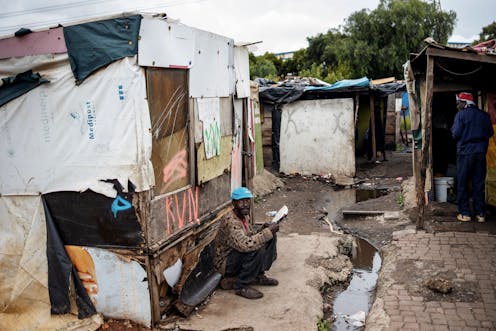
The bacteria are shed in the stools of people who are infected. People get infected when they come into contact with or consume water that has been contaminated with the bacteria. Cholera is closely linked to inadequate access to clean water and sanitation facilities. Preventing it requires more than practising individual hygiene. Areas typically at risk include peri-urban slums and rural areas where the minimum requirements of clean water and sanitation have not been met.