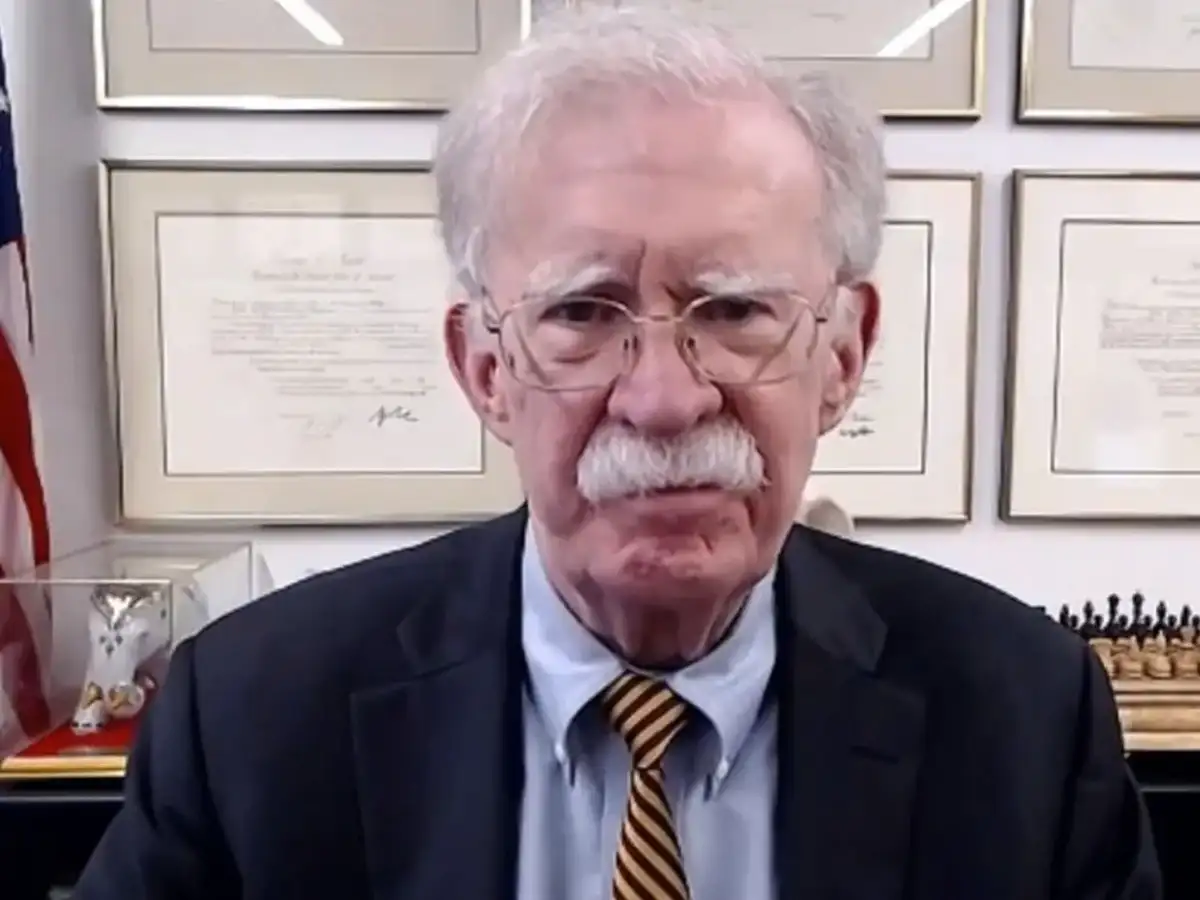
Washington: Former US National Security Adviser John Bolton has said that China is not ready to move when it comes to supporting India's bid for a permanent seat in the UN Security Council.
Speaking to PTI Videos, Bolton said that attempts to change the composition of the 15-member council had continued for decades without result, and there are little prospects of reform.
Also Read: India’s 30-year wait for a seat has a new twist and an old problem
"I don't think China is movable on this question. I think that they like having five permanent members, which they are the only, really the only Asian country. And I don't see that changing," he told PTI Videos.
Bolton said any expansion of the permanent membership would require an amendment to the UN Charter and suggested China could block India's bid.
The United Nations Security Council (UNSC) has 15 member countries, consisting of five permanent members with veto power and ten non-permanent members elected for two-year terms.
Also Read: India, Brazil, Germany & Japan call UN Security Council ‘anachronistic,' seek urgent reform
Five permanent members are China, France, the Russian Federation, the United Kingdom, and the United States.
"If, let's say, India was very successful and looked like it had support, I think China would veto an amendment to the UN Charter, which is what it would take to name a new permanent member," he added.
Bolton said several countries, including Brazil and South Africa, had also sought permanent membership, while other proposals had also been floated, adding that the UN itself was facing broader institutional difficulties.
"I don't see a path here. I think the UN is in deep, deep trouble," he said.
The UNSC was established in 1945, after World War II. Since then, its permanent membership has remained unchanged. India has repeatedly called for a permanent seat on the UNSC and has also pushed for expansion to make the body more representative of today's world.
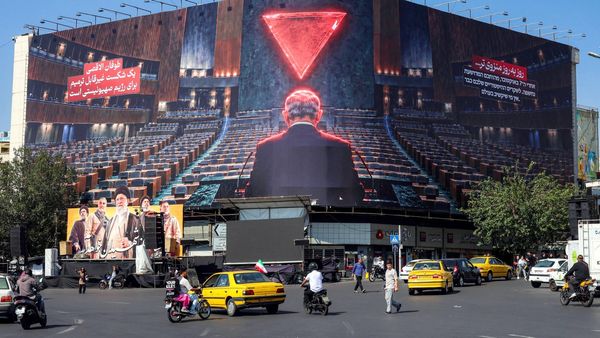
Speaking about the widening conflict in West Asia, Bolton said he believed a change in regime in Iran was necessary for lasting stability in the region.
"I think the only long-term solution that will bring peace and stability to the Middle East is regime change in Tehran," he said, while adding that regime change would not automatically guarantee peace.
Bolton also argued that Houthi attacks in the Red Sea and Bab-el-Mandeb Strait were part of what he described as Iran's "ring of fire" strategy aimed at pressuring Saudi Arabia and other Gulf countries to influence Washington.
"I don't think the UN itself will be able to do anything," Bolton said.