
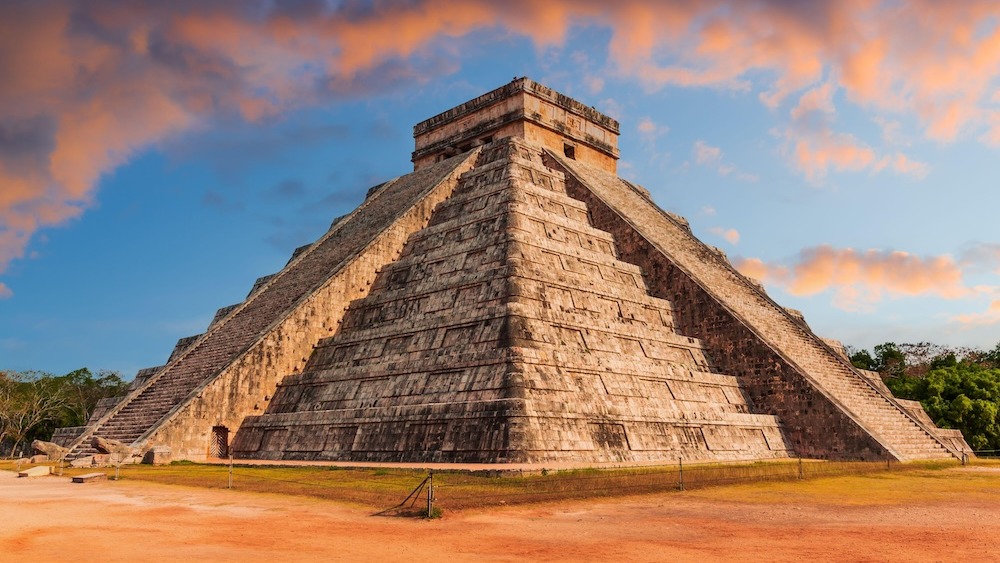
Chichén Itzá is a city in Mexico’s Yucatan peninsula that thrived between the 9th and 13th centuries A.D. Although a wildly popular tourist attraction, archaeologists are still trying to figure out how this ancient urban center, more than 740 acres (300 hectares) in size, came to be.
The city’s art and architecture show a blend of Maya and Toltec influences. It has these features even though the Toltec capital of Tula is about 800 miles (1,200 kilometers) away. Making matters more complicated is that at a later point in the city’s history (the 13th century) a group called the Itza settled at the site. The name of the city means “the mouth of the well of the Itzas.”














