Get all your news in one place.
100’s of premium titles.
One app.
Start reading
Tom’s Guide
Tom’s Guide
Technology
Alex Hughes

ChatGPT will now try to predict your age to protect young users — here’s how

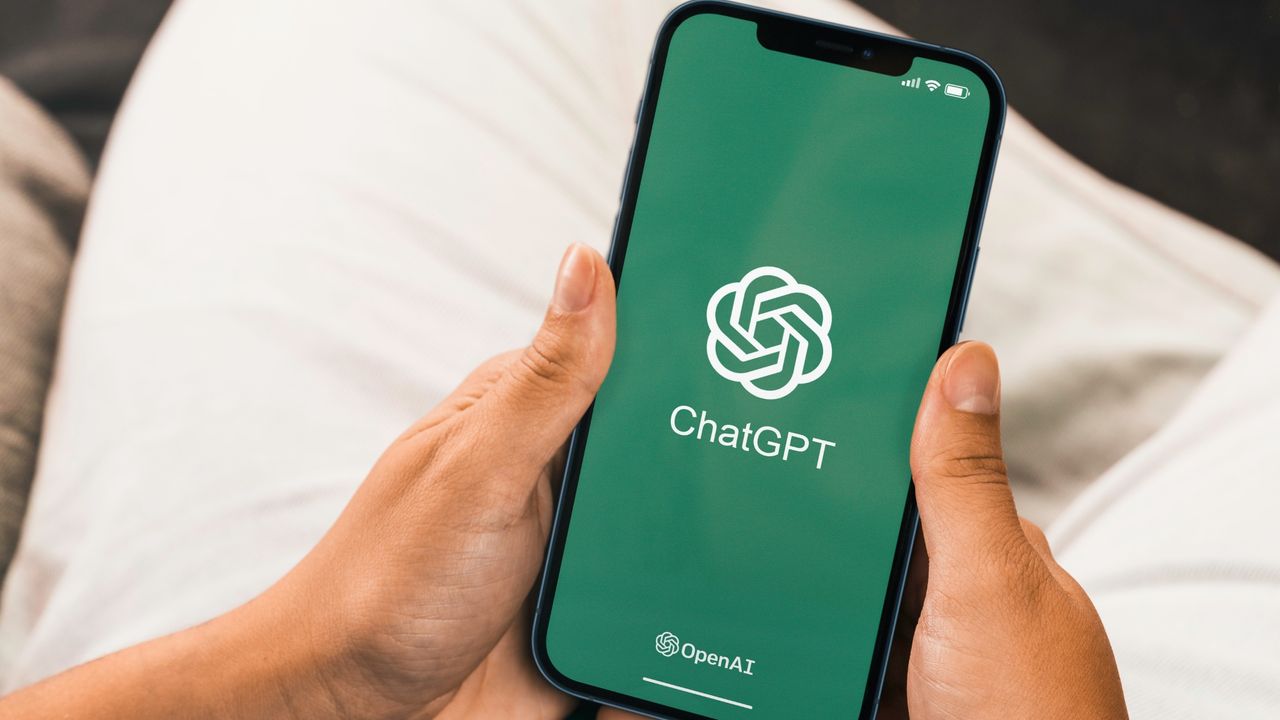
ChatGPT app on iPhone .

The ChatGPT team has played with the idea of an age-gating system for a while now, and finally, it is taking effect. This new feature will attempt to predict how old you are, all in an attempt to protect young users.

“We’re rolling out age prediction on ChatGPT to help determine when an account likely belongs to someone under 18, so we can apply the right experience and safeguards for teens,” the OpenAI account posted on X.

This feature will be rolling out globally, with the EU then following in the next couple of weeks. Anyone who incorrectly gets classified as under 18 can verify their correct age in the ChatGPT settings.

Alternatively, users can inform ChatGPT that they are under 18 when they sign up. This will automatically initiate safeguards to reduce exposure to sensitive or potentially harmful content.

How does age prediction work?

Normally, companies use an age verification system for these types of situations. That is where a user has to provide some kind of ID to prove their age.

In this situation, ChatGPT attempts to guess the users age. It does this by looking at a combination of behavioural and account-level signals, including how long an account has existed.

These factors include the time of day the account is used most, usage patterns over time and a user’s stated age.

When the age prediction model estimates that an account may belong to someone under 18, ChatGPT automatically applies additional protections designed to reduce exposure to sensitive content. This includes:

  • Graphic violence or gory content
  • Viral challenges that could encourage risky or harmful behavior in minors
  • Sexual, romantic or violent role play
  • Depictions of self-harm
  • Content that promotes extreme beauty standards, unhealthy dieting or body shaming

“This approach is guided by expert input and rooted in academic literature about the science of child development and acknowledges known teen differences in risk perception, impulse control, peer influence, and emotional regulation,” OpenAI stated in a blog post announcing this news.

“While these content restrictions help reduce teens’ exposure to sensitive material, we are focused on continually improving these protections, especially to address attempts to bypass our safeguards.”

Why is this happening?

(Image credit: Shutterstock)

Back in October, Sam Altman, CEO of OpenAI, took to X to address users concerns with ChatGPT’s approach to mental health. In the post on X, he stated that OpenAI would be introducing both an adult mode and an age-gating system for ChatGPT.

The idea here is two-fold. Firstly, it would eventually allow ChatGPT to introduce its planned adult mode, allowing for “erotica for verified adults”, as well as other 18+ content, and it would also limit the potentially dangerous effects of chatbots on teens.

ChatGPT, as well as other chatbots, has come under fire for the potentially harmful role it can play with under 18s. After a recent controversy with Elon Musk’s Grok where the chatbot was used to undress images of people without their consent, countries like the UK are now looking at ways to limit young people’s involvement with these tools.

While age-gating doesn’t completely stop these problems, it does drastically limit the number of people who are effected.

Follow Tom's Guide on Google News and add us as a preferred source to get our up-to-date news, analysis, and reviews in your feeds.

More from Tom's Guide

Sign up to read this article
Read news from 100’s of titles, curated specifically for you.
Already a member? Sign in here
Related Stories
Top stories on inkl right now
One subscription that gives you access to news from hundreds of sites
Already a member? Sign in here
Our Picks
Fourteen days free
Download the app
One app. One membership.
100+ trusted global sources.