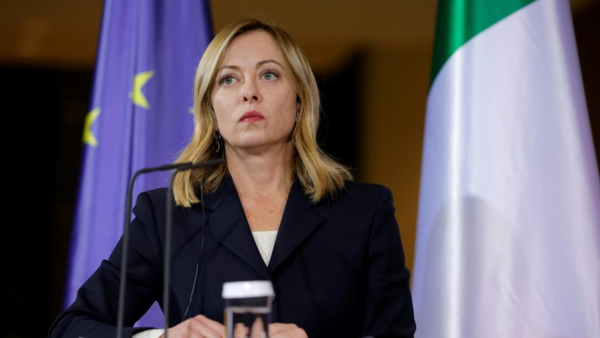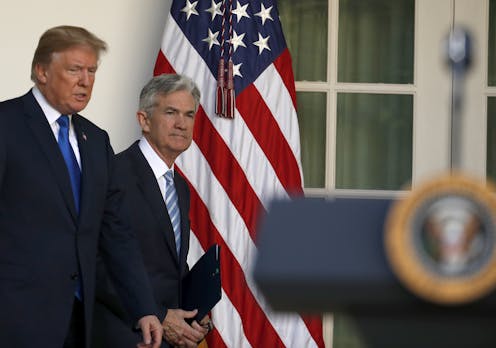
Nearly every country in the world has a central bank – a public institution that manages a country’s currency and its monetary policy. And these banks have an extraordinary amount of power. By controlling the flow of money and credit in a country, they can affect economic growth, inflation, employment and financial stability – all things that can, if played right, provide politicians with economic boosts around election time, only to saddle the economy with problems further down the line.
That is why, recently, central banks across the globe received significant leeway to set interest rates independently and free from the electoral wishes of politicians.