Get all your news in one place.
100's of premium titles.
One app.
Start reading
Medical Daily
Medical Daily
Health
Dorothy Brooks

Carla Jeffery Died at 33 with No Cause Released and the Wait for Answers Has a Medical Reason

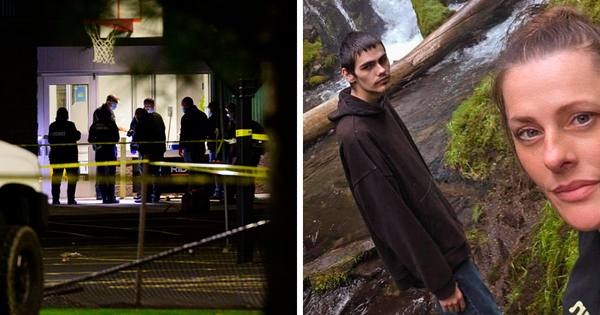
Carla Jeffery (Credit: Momodu Mansaray | Getty Images)

Carla Jeffery, the actress who played Bree across three Disney Channel ZOMBIES films, died on Sept. 1 at age 33, her talent management company announced the following day. No cause of death has been released by her family, her representatives, or any medical examiner.

That absence is not unusual, and it is not evidence of anything. What is confirmed is the date, the age, and the fact that the people closest to her have asked for privacy. Anything circulating beyond that is unverified.

For readers, the useful part of this story is not the guessing. It is understanding why a cause of death frequently takes weeks or months to appear, what a death investigation actually involves, and why the silence in the meantime says nothing about what happened.


The Confirmed Facts and the Gaps Around Them

Alexanders Talent Management announced the death in a statement posted to Jeffery's Instagram account, saying she died on Sept. 1, 2026, at 33. The agency said she joined the company at age 12 and had been with it for more than 20 years, and it asked that her family's privacy be respected. "We respectfully ask that their privacy be honored as they grieve," the statement said. Disney Entertainment Television issued a separate statement of condolence.

Jeffery was born in Houston in 1993 and began working as a child actor, appearing in film and television before joining the ZOMBIES franchise in 2018. She played Bree in the 2018 film and its two sequels, and voiced the character in an animated series. As Variety reported, her management company did not give a cause. The Hollywood Reporter noted the same, as did every outlet that has covered the death, including ABC News and ABC7 Los Angeles.

No location of death has been announced. No agency has confirmed that it is investigating. Without a named jurisdiction, there is no medical examiner or coroner's office for the public to check, which is one reason so little information exists. Death investigations are handled at the county or state level in the United States, and each office sets its own disclosure practices, so the absence of a public record is not by itself unusual.


Death Investigations Move Slower Than Social Media

When a person dies unexpectedly, and particularly when they are young and were not under care for a known terminal condition, the death is typically referred to a medical examiner or coroner. That office decides whether an autopsy is warranted.

An autopsy itself is usually performed within a day or two. The delay comes afterward. Toxicology testing, which screens blood and other samples for medications, alcohol, and other substances, commonly takes several weeks to a few months depending on the laboratory's backlog. Microscopic examination of tissue takes additional time. Genetic testing, which is sometimes ordered when a young person dies with no anatomical explanation, can take longer still.

Until those results return, many offices classify a case as pending. During that window, a family may hold a death certificate marked pending cause, which can complicate insurance claims and estate matters even as they grieve. It is common for a final determination to arrive long after public attention has moved on.

Families also control disclosure. Even when a cause is determined, they are under no obligation to share it, and many choose not to. A cause of death that never becomes public is not a hidden fact. It is a private one.


Sudden Death in Younger Adults Is Rare but Not Unheard Of

Death before 40 is uncommon in the United States, but it is not vanishingly rare, and the reasons are varied enough that guessing from the outside is meaningless. Broad categories that medical examiners consider include cardiac causes such as previously undetected structural heart conditions or arrhythmias, neurological events, undiagnosed infections, complications of chronic disease, accidents, and substance-related deaths.

Naming these categories is not a claim about Jeffery. It is the opposite. The list is long precisely because the outward circumstances of a sudden death almost never point to one answer, which is why investigators run the full workup rather than assuming.

There is one genuinely useful takeaway for readers. Some inherited cardiac conditions that can cause sudden death in young adults run in families and are detectable. Researchers presenting at a European Society of Cardiology congressreported that when a person under 45 dies of sudden cardiac arrest, an inherited cardiac disease is a strong possibility, and that first degree relatives should be advised to undergo family screening. People with a family history of unexplained death before age 50, unexplained fainting during exertion, or a known inherited heart condition can raise that history with a clinician. That is a conversation worth having on its own merits, unrelated to any individual case in the news.


Families Left Waiting for a Certificate They Need

The practical burden of a pending investigation falls on the household. Life insurance payouts, retirement account transfers, and probate filings typically require a certified death certificate. A certificate issued with a pending cause is valid for many purposes, but some insurers will hold a claim until the final determination arrives, particularly on policies still within a contestability period.

Families in this position can request a certificate marked pending from the registrar rather than waiting for the amended version, and can ask the insurer in writing what it requires. Funeral directors routinely help order certified copies, and it is generally worth ordering more than seems necessary, because separate institutions each want an original.

Anyone waiting on a determination can contact the medical examiner's office directly for a status update. Offices will usually confirm whether a case is pending without discussing findings.

For now, the honest summary of Carla Jeffery's death is short. She died on Sept. 1 at 33. Her management company confirmed it. No cause has been released, no agency has said one is coming, and her family has asked to grieve without an audience. Readers should treat any specific claim about how she died as unverified until an official source says otherwise.


Key Questions Answered

What has been confirmed? Carla Jeffery died on Sept. 1, 2026, at age 33. Her management company, Alexanders Talent Management, announced it the next day.

Has a cause of death been released? No. Neither her family, her representatives, nor any medical examiner's office has released one.

Does the lack of a cause mean something was hidden? No. Pending determinations are routine, and families are never required to disclose a cause even after it is finalized.

Why do autopsy results take so long? The examination is quick, but toxicology and tissue analysis commonly take weeks to months. Genetic testing takes longer.

Was she known to have a medical condition? Nothing about her health has been publicly disclosed, and no reporting has indicated a known condition.

Is sudden death at 33 common? It is uncommon but not rare, and the possible causes are broad enough that outside speculation has no diagnostic value.

Is there anything readers should act on? People with a family history of unexplained death before 50, fainting during exertion, or a known inherited heart condition can ask a clinician whether a cardiac evaluation is appropriate.

Sign up to read this article
Read news from 100's of titles, curated specifically for you.
Already a member? Sign in here
Related Stories
Top stories on inkl right now
One subscription that gives you access to news from hundreds of sites
Already a member? Sign in here
Our Picks
Fourteen days free
Download the app
One app. One membership.
100+ trusted global sources.