You know who wins trade wars? No one. The consumers feel the sting of added markups thanks to insane tariffs. The corporations can't move products and fail to meet board-wanted revenue. And the countries involved only become more insular and lose access to valued trade partners. It's a lose-lose across the board.
That fight has been raging since last January, as the current U.S. administration has sought to increase tariffs across all of its trading partners, including its most valuable ones like Europe, Mexico, and Canada. But rather than just accepting the administration's vague demands to remove said increased tariffs, they've repeatedly fought them. Whether that's through the legal system, which has routinely been found in their favor, or through retaliatory tariffs imposed on American goods.
Again, U.S. imposes tariffs on allies' goods, ally imposes tariffs on U.S. goods, everyone loses. It's that simple.
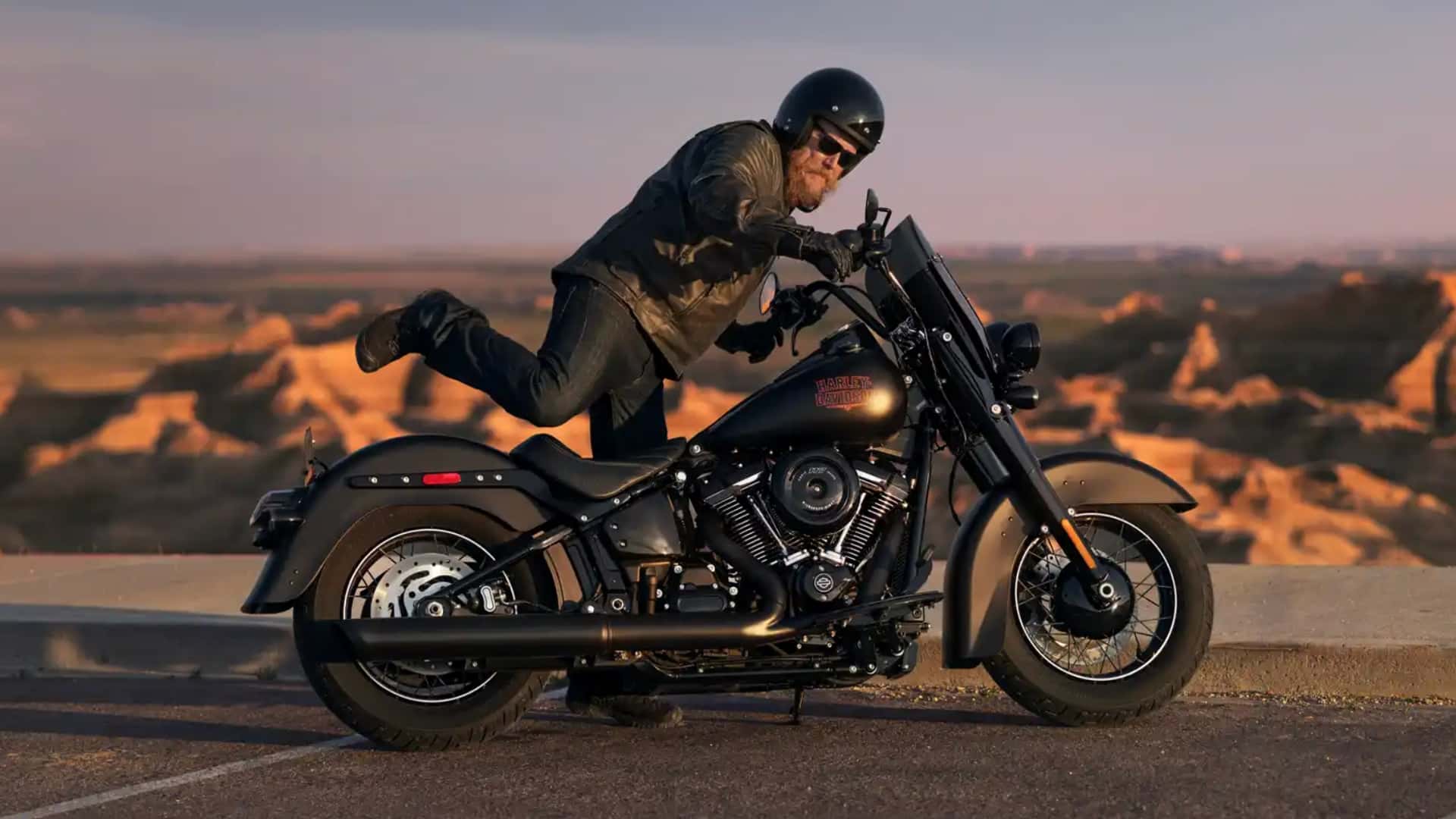
And that back-and-forth, which comes on the heels of the latest trade negotiations falling hopelessly apart between the U.S. and Canada, is set to lead to a 50% tariff being slapped onto both Harley-Davidsons and Indian Motorcycles in the very near future.
The 50% tariff on American-made motorcycles with "internal combustion engines larger than 800cc" will go into effect come September 8th, which is next week, according to Forbes, and comes down to the latest in a string of failed trade negotiations between the two countries.
And while Canada only represents about 6% of Harley-Davidson's customer base (Indian's is unknown at present), the reason behind the country's targeting of the American brands falls in line with its other iconic American products, as the U.S. negotiating team has sought outsized influence over Canada, including rhetoric of making the country the 51st state, and asking for the country to change its language laws, among other items that directly challenge Canada's sovereignty. These retaliatory tariffs are aimed to send a message to the United States' negotiating team that Canada won't be bullied.
Forbes states, "Beginning September 8, Canada will impose a 50% tariff on U.S.-origin motorcycles with internal combustion engines larger than 800cc. That puts most of Harley-Davidson’s Canadian lineup directly in the path of the new levy, along with motorcycles from Indian Motorcycle and other U.S. manufacturers." It added, "The tariff is part of a broader Canadian response to new U.S. duties imposed after trade negotiations collapsed. Ottawa says its countermeasures will cover $27.6 billion worth of American imports and range from 15% to 50%."
That also puts pressure on American politicians representing the states hardest hit by Canada's tariffs to pressure the administration to start negotiating in realistic ways. We'll see if that plays out, but both Indian Motorcycle and Harley-Davidson are integral to their communities, and both have used their own leverage to sway politicians in the past.
But for now, for our Canadian readers, if you want a new Harley or Indian, you might want to pick one up right now before it becomes too expensive to even consider.