
Get all your news in one place.
100’s of premium titles.
One app.
Start reading
Woman & Home
Woman & Home
Lifestyle
Sarah Cooper-White

Can skincare fade pigmentation, and which ingredients actually work?

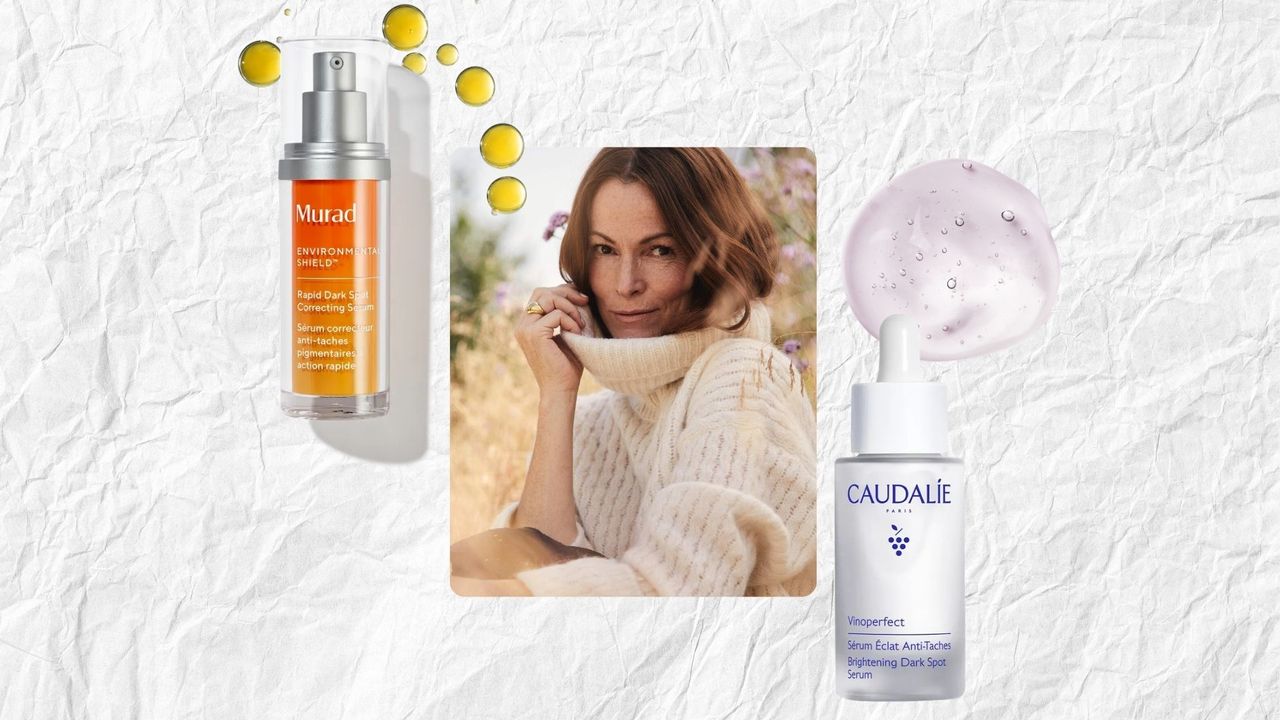
A paper backdrop with an image of a woman with brown hair, wearing a cream roll neck jumper smiling, beside a Murad dark spot correcting serum some drops of serum and caudalie vinperfect brightening dark spot serum .

If age spots or general skin discoloration are bothering you, then this is the perfect time of year to start the battle.

Although UVA rays from the sun can play a key role in aggravating pigmentation, starting a pigmentation treatment plan before summer hits, when we’re less likely to be outside as much, gives you a head start.

Pigmentation is formed because ‘generally, UV rays,
hormones or inflammation tell melanocytes in our skin to make more melanin and distribute it differently into skin cells,’ explains facial aesthetics doctor Dr Maryam Zamani. 'That pigment sits in the epidermis and sometimes even the dermis of the skin. The depth of the pigment determines how easy it is to treat.’

Which skincare ingredients can fade pigmentation?

Many topical ingredients can reduce pigmentation by blocking pigment production, speeding up skin turnover, or reducing inflammation. Traditionally, Hydroquinone was seen as the best ingredient for clearing pigmentation under medical guidance, but now there are plenty of newer alternatives that don’t require a prescription.

Azelaic acid and topical tranexamic acid are my personal favourites for the treatment of melasma or post-inflammatory pigmentation,’ says Dr Zamani. ‘But retinoids, niacinamide, vitamin C (ascorbic acid) and kojic acid can all be useful in combination regimes.'

Dr Maryam's top tips for treating pigmentation

  1. It takes patience
    Treatments take time to make a difference. With consistent daily use of active ingredients, first visible changes often take 4-8 weeks. More
    meaningful improvements typically take 8-12 weeks or longer. But some pigmentation may require months of treatment and maintenance.
  2. Be consistent
    Pigmentation can easily return. Using the best facial sunscreen daily and the correct strengths and formulations of topical therapies can keep pigment suppressed. I always recommend a long-term maintenance plan after initial clearing.
  3. Try in-clinic treatments
    Chemical peels can speed up pigment shedding. Fractional and non-ablative lasers, IPL or BBL can also be effective. Microneedling and radiofrequency microneedling can be helpful adjuncts to your skincare.
  4. See an expert
    Darker skin (Fitzpatrick III–VI) can have a higher risk of post-procedure hyperpigmentation with some treatments, such as chemical peels, lasers and IPL. So be cautious and seek out the right
    experts experienced in treating darker phototypes.
Sign up to read this article
Read news from 100’s of titles, curated specifically for you.
Already a member? Sign in here
Related Stories
Top stories on inkl right now
One subscription that gives you access to news from hundreds of sites
Already a member? Sign in here
Our Picks
Fourteen days free
Download the app
One app. One membership.
100+ trusted global sources.


