Get all your news in one place.
100's of premium titles.
One app.
Start reading
The Independent UK
The Independent UK
Jeff Meyer

Can heat pumps cope with busy, family homes?

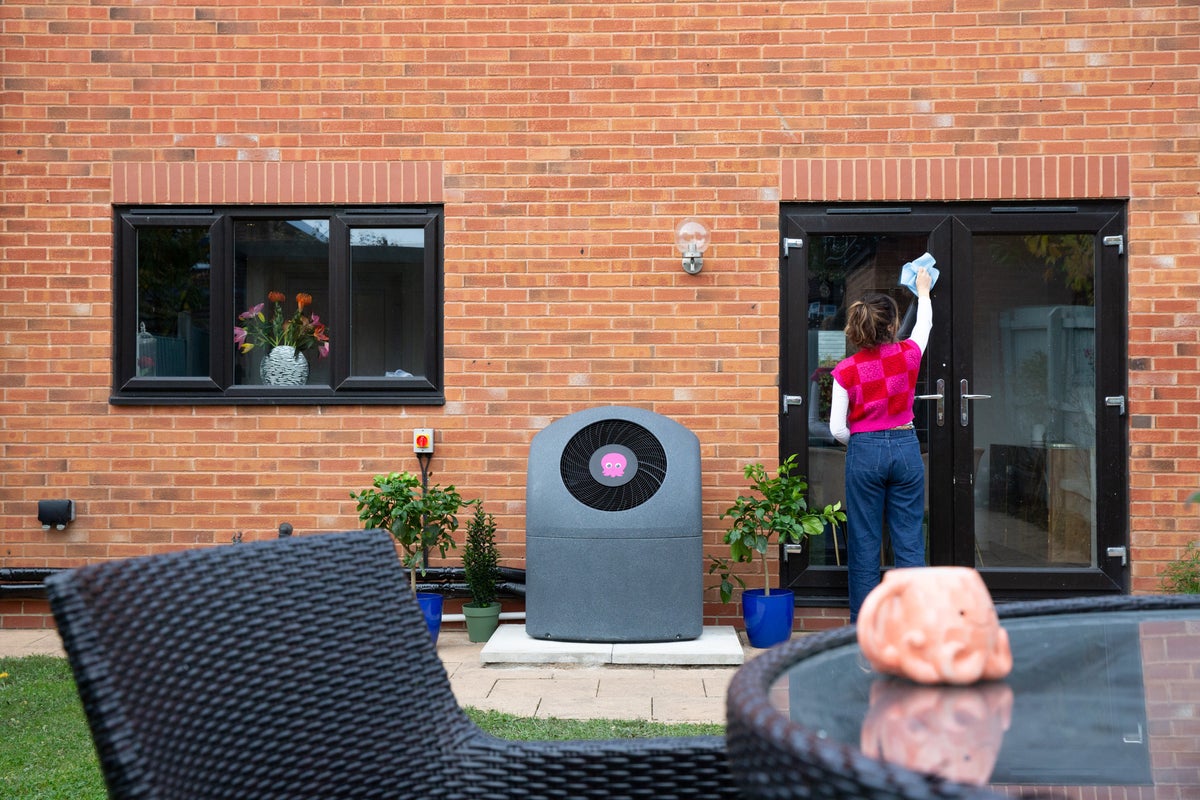
A properly designed heat pump system can provide the heating and hot water a busy family needs, with scheduling helping manage morning and evening demand - (Octopus Energy)

Family life can put a heating system through its paces. There are showers before school, baths in the evening, someone working from home during the day and everyone wanting a warm house when they get up on a cold morning.

A properly designed heat pump can cope with these demands, but families may need to think differently about how they schedule their heating and hot water compared with how they use a gas boiler.

Phil Steele, future technologies evangelist at Octopus Energy, says the key is planning when the heat pump performs each job.

“Typically, a heat pump will either be providing heat or hot water,” he explains. “You need to think about the right schedule to decide when to produce hot water into the hot water tank without affecting your comfort level from heating.”

Can a heat pump cope with morning showers and bath time?

Rather than heating water instantly like a combi boiler, a typical heat pump system stores hot water in a cylinder ready for when the household needs it.

Steele schedules his own system around the busiest periods of family life.

“Our hot water tank is [heated] by the heat pump between about midnight and 3am, so I have a full hot water tank in the morning, and then again midday till 3pm,” he says. That means making hot water doesn't interfere with the home's heating during the morning or evening.

Octopus gives similar advice for its Cosy heat pump. Its current guidance says stored hot water can typically remain available for eight to 12 hours, and recommends an early-morning heating period for morning showers, with an afternoon top-up for households that need more hot water in the evening.

Will a family have enough hot water?

That depends partly on having the right-sized hot water cylinder in the first place.

As a rough guide, Vaillant recommends a 175l to 200l cylinder for a household of three or four people, rising to 210l to 300l for households of five or more. However, actual requirements also depend on how much hot water a family uses.

Octopus says its MCS design process sizes the cylinder for the individual property. If a particularly busy period of baths and showers is coming up, it recommends making sure the cylinder reaches its target temperature first and potentially extending the hot-water schedule so the heat pump continues reheating it during that period.

What if someone works from home all day?

Having somebody at home throughout the day doesn't necessarily pose a problem for a heat pump. In fact, the way heat pumps traditionally operate can suit a home that needs relatively consistent warmth.

“The general advice is to have a heat pump continually keeping your house fairly warm rather than an up, down, on, off type schedule, which you do with a gas boiler,” Steele says.

That's because heat pumps typically heat a home more gradually. The habit of allowing the house to cool significantly and then turning the thermostat up several degrees when everybody returns home may therefore be less effective than maintaining a steadier temperature.

Can you still have warmer mornings and evenings?

Heat pump technology is changing, however. Steele says newer models such as Octopus's Cosy can operate at higher flow temperatures of around 55C. If the system has been designed accordingly, it gives households more flexibility over their routine than some older lower-temperature systems.

“You could have a more variable schedule through the day – warmer in the morning and let it coast through the day, and a bit warmer in the evening,” he says.

For families, then, the question isn't simply whether a heat pump can cope with school mornings, working from home and evening bath time. A correctly designed system should be planned around those demands from the outset, with the right cylinder capacity and a heating and hot-water schedule that reflects how the household actually lives.

Sign up to read this article
Read news from 100's of titles, curated specifically for you.
Already a member? Sign in here
Related Stories
Top stories on inkl right now
One subscription that gives you access to news from hundreds of sites
Already a member? Sign in here
Our Picks
Fourteen days free
Download the app
One app. One membership.
100+ trusted global sources.