H-1B visa holders in the US are permitted to start their own business as long as they are not actively involved in the day-to-day operations and only as a passive income. While several dance videos of Indian-origin visa holders in the US triggered a hate campaign and a major debate over whether they are breaking visa rules by allegedly running a dance school alongside their full-time work, this has always been a grey area for the H-1B visa holders. The H-1B visa program allows companies to hire skilled professionals from outside the country. These are often specialty occupations for which these companies apparently do not find enough Americans.
H-1B is a non-immigrant visa through which an individual can stay in the US up to six years -- the visa comes with an initial validity of up to three years and can be extended for another three years. If they apply for a Green Card and the process begins, they can get extensions accordingly.
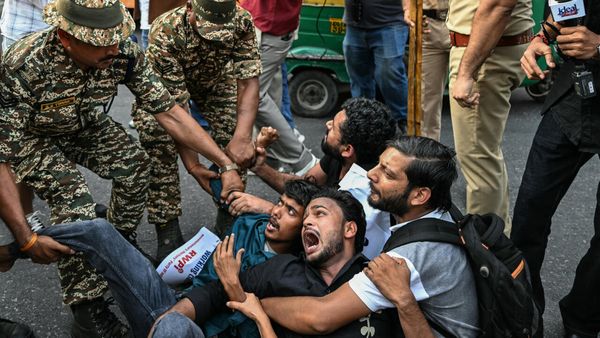
H-1B visa holders can't engage in a side hustle and even content creators can not monetize their social media accounts, even if they have a huge following. According to immigration experts, there are clear guidelines on what's allowed and what's not for H-1Bs.
Immigration lawyer Ancy S Varghese, in an earlier blog post, gave a dos and don'ts list that H-1B visa holders should keep in mind before starting a company while on an H-1B visa.
Dos
- Do incorporate and invest in your business
- Do consult lawyers to set up compliant structures
- Do receive passive returns (dividends, capital gains)
- Do prepare for an H-1B transfer or concurrent H-1B if you want to work for your startup
- Don’t perform daily operations or oversee staff
- Don’t sign contracts or engage in sales activities
- Don’t assume working “for free” makes it legal
- Don’t wait until USCIS catches you -- be proactive
So going by the rules, it's allowed to invest in a dance academy while being on H-1B visa but not allowed to teach dance or run it while on an H-1 B. Even unpaid but active work is not okay. The USCIS does not distinguish between paid and unpaid work when it comes to unauthorized employment, Varghese suggested.