
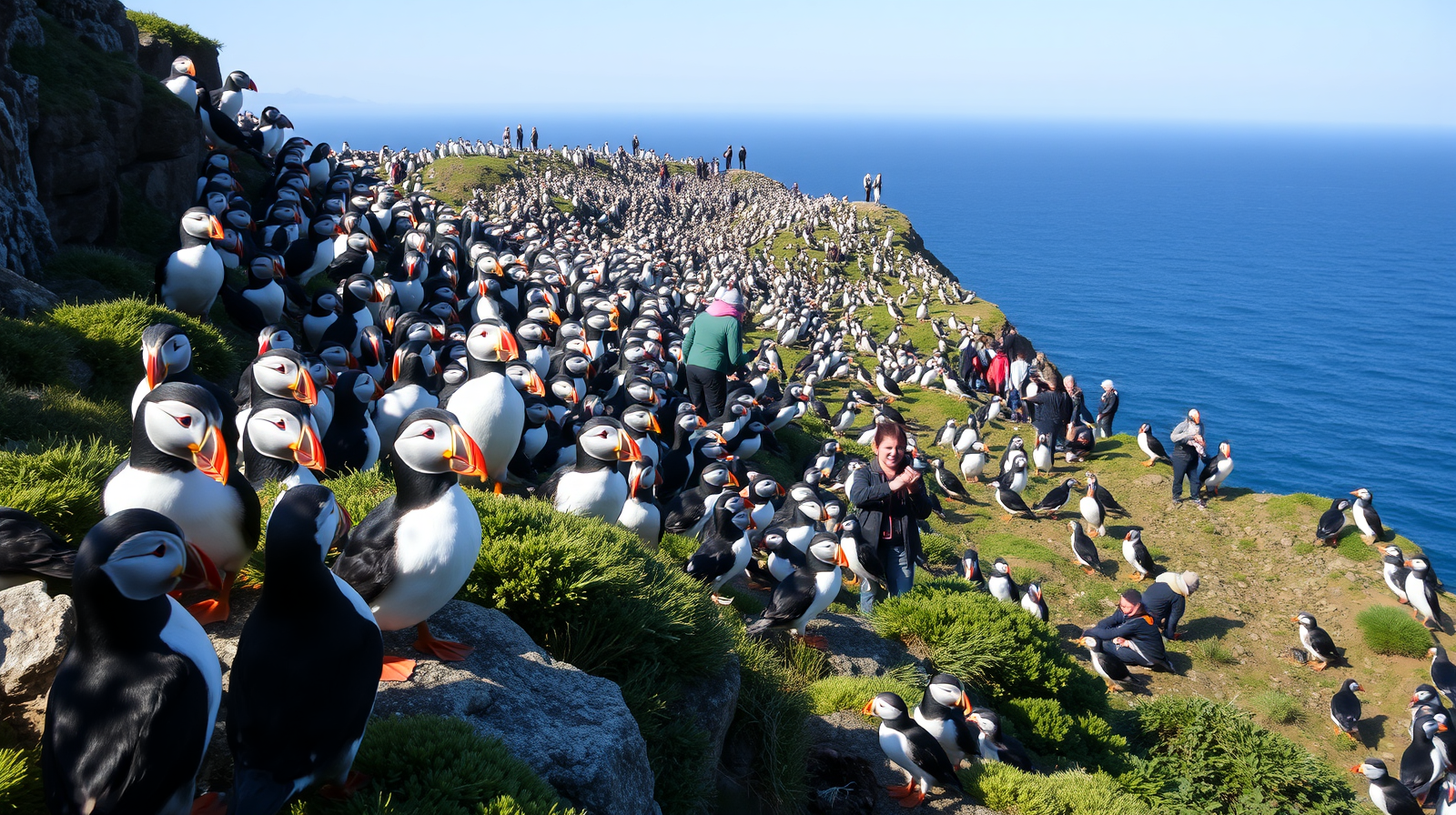
Puffins look like they belong on a postcard, with brightly coloured beaks, comical waddling walks, tucked into dramatic clifftop burrows. Behind that cheerful image, however, puffin colonies across Britain and Ireland have spent decades in serious decline, driven out of their traditional nesting grounds by invasive rats, overgrown vegetation and the general disruption that comes with sharing an island with predators the birds never evolved to handle. Bringing puffins back to these sites has turned out to require a strange mix of solutions, plastic decoy birds, hand-pulled weeds and painstaking predator removal, all carried out largely by volunteers willing to put in years of unglamorous, repetitive work for the payoff of watching a single puffling finally take flight. Many restoration projects have already reported encouraging results, with puffins returning to breed on islands they had abandoned years earlier. Their recovery highlights how carefully planned conservation, long-term habitat management and sustained community involvement can help reverse declines in vulnerable seabird populations.
Get breaking news anytime, anywhere. Download the TOI app now!















