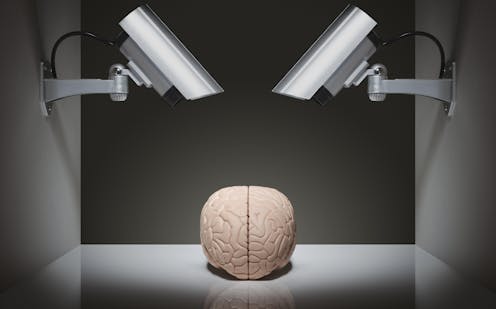
Despite all the attention on technologies that reduce the hands-on role of humans at work – such as self-driving vehicles, robot workers, artificial intelligence and so on – researchers in the field of neuroergonomics are using technology to improve how humans perform in their roles at work.
Neuroergonomics is the study of human behavior while carrying out real-world activities, including in the workplace. It involves recording a person’s brain activity in different situations or while completing certain tasks to optimize cognitive performance. For example, neuroergonomics could monitor employees as they learn new material to determine when they have mastered it. It could also help monitor fatigue in employees in roles that require optimum vigilance and determine when they need to be relieved.