
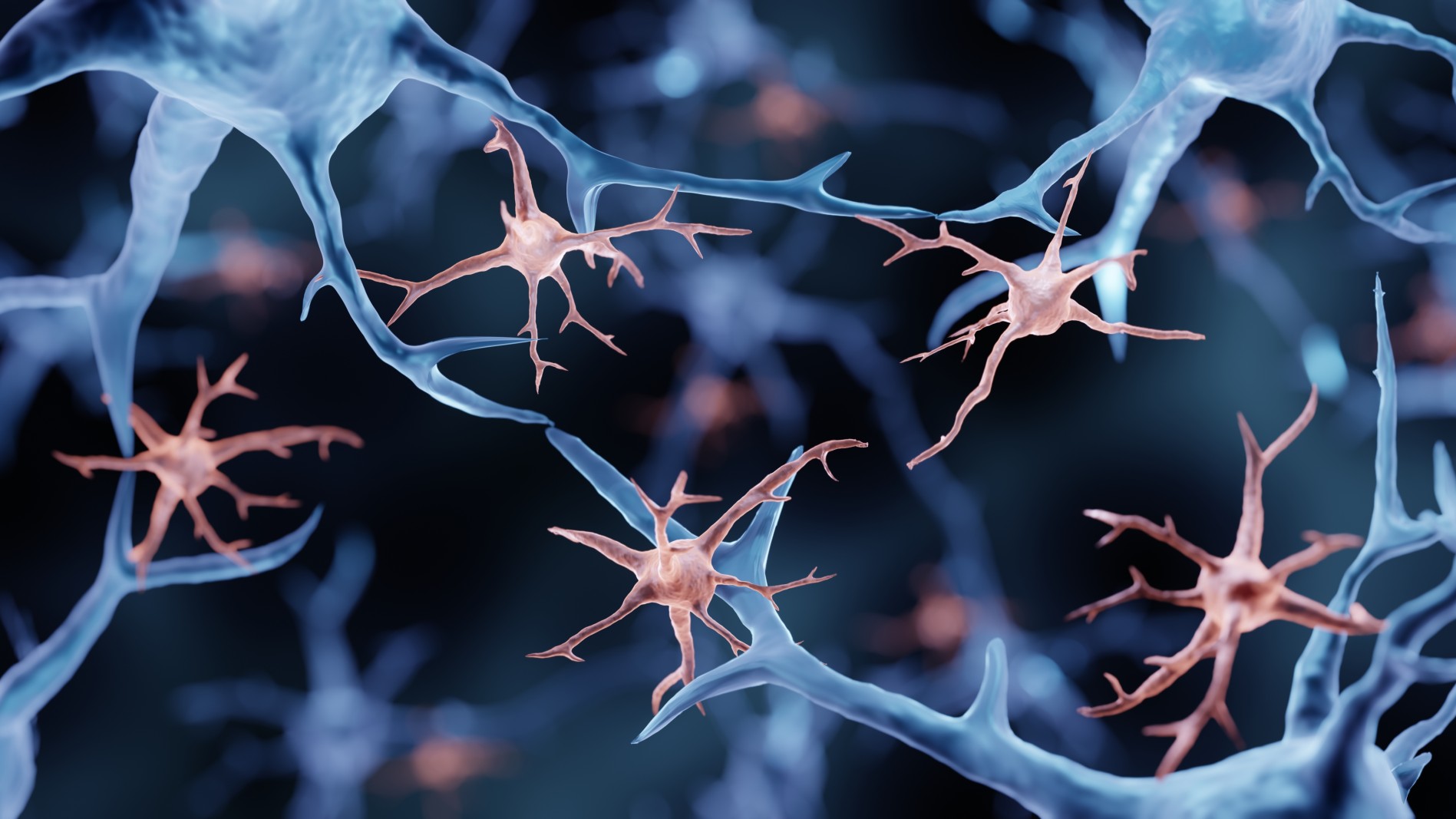
Extreme mood changes associated with Alzheimer's disease may be partially driven by brain inflammation, new research suggests.
Historically, the prevailing theory for what causes Alzheimer's disease was that a gradual buildup of abnormal proteins called amyloid-beta and tau in the brain triggers a cascade of events, leading to nerve damage, the death of brain cells, and symptoms of cognitive decline and mood problems.












