Afternoon summary
- Criminal and civil investigations have been launched into the conduct of P&O Ferries after the operator summarily sacked nearly 800 crew without notice or consultation. The general secretary of the TUC, Frances O’Grady, said she hoped this would lead to serious sanctions. She said:
P&O must not be allowed to get away with its scandalous and unlawful treatment of staff.
This criminal and civil investigation by the Insolvency Service must get to the bottom of what happened – and not shy away from serious sanctions and big financial penalties.
Firms who behave like corporate gangsters deserve far more than a slap on the wrist.
- Campaigners have urged Boris Johnson to recommit the government to a full ban on conversion practices after a chaotic night of U-turns left the government now planning to ban them for gay people, but not trans people. Last night ITV revealed that the government was planning to drop its commitment to legislate for a full ban. But hours after news of that U-turn provoked outrage, including amongst some Tory MPs, the government let it be known that it would go ahead with a partial ban. (See 9.31am.) Activists say it should go further. This is from Stonewall, the LGBTQ+ campaign group.
14 countries have some form of nationwide ban on conversion therapy – with all recent legislative bans being trans inclusive.
— Stonewall (@stonewalluk) April 1, 2022
Unless we keep pressure on the UK Govt, we risk lagging even further behind ➡️ https://t.co/fKR871r62X#BanConversionTherapyhttps://t.co/vxW8M4tcKG
This is from the Equality Network, a Scottish LGBTQ+ group.
The contrast with the UK Prime Minister, who has betrayed trans people over conversion practices and gender recognition, and has added insult to injury by making "jokes" at their expense, is stark.
— Equality Network (@LGBTIScotland) April 1, 2022
Trans people are not safe under this UK Government.#tdov https://t.co/1p9qjfaMeK
And in an article for the Guardian, Jayne Ozanne, the founder of the Ban Conversion Therapy coalition, says excluding trans people from the ban would be “utterly unforgiveable”.
- Officials have begun to receive emails giving out £50 fines for attending Downing Street parties, according to sources.
- Coronavirus infection levels have hit an all-time high in England with one in 13 thought to have had Covid in the most recent week, data from the Office for National Statistics has revealed.
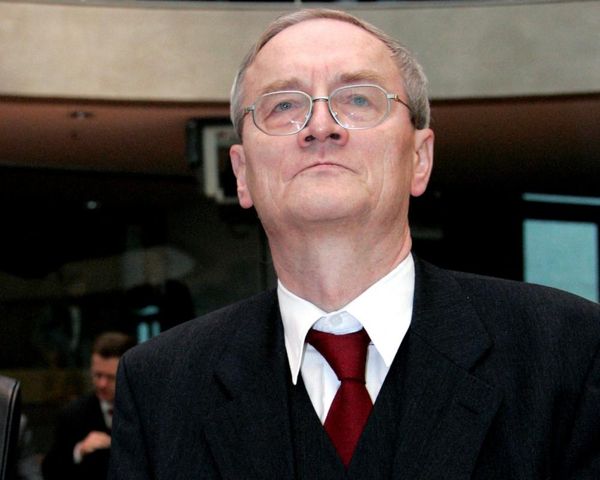
- Lord Grade, the Conservative peer chosen to lead the communications watchdog, has a “clear lack of depth” of knowledge about social media and online safety, according to a report by MPs that described the hiring process for Ofcom’s new chair as a “shambles”.
Updated
Ed Miliband calls for planning laws to be changed to allow more onshore windfarms
Ed Miliband, the shadow secretary of state for climate and net zero, told Radio 4’s World at One that he was in favouring of offering discounts on energy bills to people living near windfarms. Asked about the option, he said:
That’s definitely something that should be looked at, and communities being able to be responsible for or own these wind turbines.
There is now and there has been consistently significant majorities of public support for onshore windfarms.
The reason why these things have been blocked is because the government introduced a planning system that said there needed to be unanimous consent in local areas, so if one person objected, it couldn’t go forward.
Now that doesn’t sound like a very democratic way to go forward. So sure, incentives, but we have to unblock the system.
Ministers are reportedly looking at the case for offering discounts to people living near new windfarms. But in his evidence to the Commons liaison committee on Wednesday, Boris Johnson sounded distinctly lukewarm about onshore wind. In his Times column today, James Forsyth says political opposition to windfarms in the Conservative party was just too strong. He writes:
Two quick options [to increase energy supply] are onshore wind farms and fracking; the former has the potential to dent electricity bills before the next election. But I understand the official strategy, while not ruling these out, won’t push for them either. The problem is ‘politics, MPs and planning’, according to one of those close to the decision. Both onshore wind and fracking have vocal opponents in the Tory parliamentary party, so won’t happen.
Onshore wind’s fate was perhaps sealed when Chris Heaton-Harris, who led the charge against wind farms under David Cameron, was made chief whip. One Johnson ally tells me the problem with onshore wind is ‘the party hate it’ and that the PM has had ‘people screaming in his ear’ about what trouble would be stirred up if ministers changed planning laws to push them through.
Updated