He was 17 years old, pushing a mop through the hallways of a skilled nursing facility, when two residents pulled him aside and handed him a wedding invitation. They were getting married. And they wanted him there.
It wasn't a formality. It wasn't politeness. For those two residents, the young housekeeping aide was family. He just hadn't realized it yet.
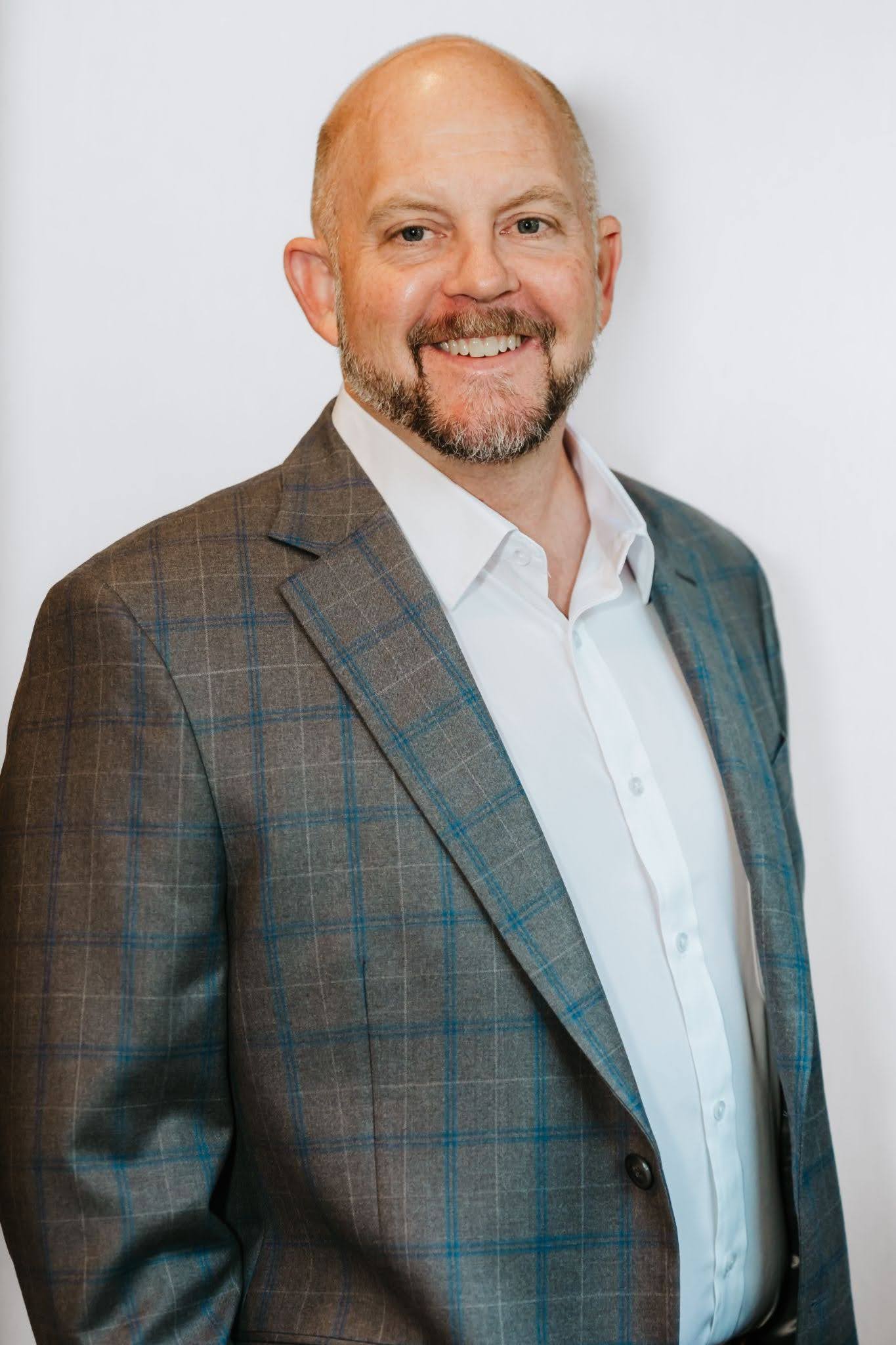
That moment stayed with Bill Miller. Decades later, as the founder and CEO of Vertical Health Services,Bill Miller still carries it with him. It was the first time he understood that working in senior care isn't simply a job. It's a relationship. And relationships, he would come to believe, are the foundation of everything.
Why Bill Miller Never Really Left That Hallway
Most people don't trace their career philosophy to a facility wedding. Miller does. The moment crystallized something he couldn't have fully articulated at 17 but has spent more than 25 years proving in practice: residents don't see caregivers as employees. They see them as people who matter.
That insight shaped how Miller approaches every facility he leads today. Bill Miller, Vertical Health Services, which he built from the ground up, acquired its first portfolio of skilled nursing facilities in 2023. Several carried one-star ratings from the Centers for Medicare and Medicaid Services. Four were on CMS special focus lists, a designation reserved for facilities with serious, persistent care concerns. The challenges were real and immediate.
But Miller didn't arrive with a spreadsheet. He arrived with a philosophy.
"My goal is to ensure the emphasis is always on the resident," he explained. "As long as the care is there and we make a difference in the life of our residents, then clinical outcomes will also be there. If we do the right thing for the residents, regulatory excellence comes naturally."
The Therapy Aide Who Changed Two Lives at Once
Early in his career, Miller witnessed something that reinforced what he already suspected about the power of human connection in care settings.
A young resident, not yet 20 years old, had been admitted with circumstances that left many doubtful he would fully engage in recovery. The prognosis, emotionally speaking, was bleak. Few expected much.
Then something shifted. During therapy sessions, the resident began looking to his therapy aide for encouragement. Her consistency, her genuine care, her presence turned into a lifeline. He started showing up differently. He enrolled in a vocational rehabilitation program while still at the facility. On the day of his discharge, his mother embraced the therapy aide and told her she had saved her son's life.
Miller watched it all unfold. That therapy aide would later become his wife.
The story isn't just personal, though it is deeply that. It's a working illustration of his entire model: compassion isn't a soft add-on to clinical care. It's the engine of it.
Building Trust From Nothing: What 2023 Looked Like Inside the Buildings
When Miller and his leadership team first walked through the facilities they acquired in 2023, the hallways were quiet in the wrong way. The staff averted their eyes. No one wanted to talk. The discomfort was visible.
He understood it. These were people who had been let down before. Leadership had come and gone. Promises had been made and broken. Trust wasn't owed to anyone who walked in wearing a badge that said management.
Miller's approach wasn't to demand trust. It was to ask for a test and then pass it. "First I ask for the trust and a test of some kind," he said. "I then work at completing the test. If it is achieved, great. If not, then honesty and transparency are key to proving the insight into what happened and why the outcome was not achieved."
He applied this same framework to vendors, to staff, to everyone. Things go wrong in healthcare operations. What matters is whether leadership shows up afterward with accountability and honesty rather than deflection.
About a year after acquisition, staff still showed some discomfort when leadership walked in. But they also started expressing gratitude. Now, when Miller visits, people approach him with ideas and suggestions. That shift didn't happen through a policy. It happened through presence.
The Staff Is the Strategy
Ask Miller what separates a truly exceptional skilled nursing facility from a merely good one, and his answer is not a clinical metric or a compliance score.
"The happiness of staff at a facility leads to an exceptionally skilled nursing facility," he said. "If your staff is happy and cared for, if they feel needed and part of something important, they will provide the best quality care naturally and consistently."
This is the through-line at Bill Miller Vertical Health Services. Culture isn't a program. It's a condition. When people feel respected and valued, the care takes care of itself.
That belief shapes how Miller celebrates wins. He doesn't take personal credit. He celebrates loudly, publicly, and specifically with the people who did the work. The improvements at VHS facilities over the past two and a half years have been significant:
- The portfolio began with multiple one-star CMS rated facilities and several on the special focus list
- Today, VHS operates a four-star overall facility, four three-star overall facilities, and no facilities on the special focus list
- Multiple facilities have achieved four and five-star quality measure ratings
- Deficiency-free surveys have been earned across the portfolio
- Six facilities received the CMS Bronze Award, a milestone that was not previously attainable
"My motivation comes from all of them," Miller said of his staff. "Seeing what they can achieve when they are provided proper tools, resources, and support motivates me to continue doing my best to assist them in achieving those successes however I can."
Being Right Is the Wrong Goal: A Mentor's Lesson That Stuck
For 17 years, Miller worked alongside a mentor who taught him something that cut against the grain of conventional business thinking.
"Being right is far less important than maintaining relationships," Miller recalled. His mentor emphasized that success in business isn't about winning every argument. It's about trust, respect, and preserving connections over time.
That lesson shows up in how Miller navigates disagreements, how he communicates with staff and partners, and how he measures progress. Not by individual victories. By the strength and longevity of the relationships built along the way.
It's a philosophy that also shapes his win-win-win framework for care decisions. "If something is good for the residents, meets the regulatory needs, and helps us achieve our fiscal responsibility, then we can become a sustainable company and have sustainable outcomes," he explained. No corner of that triangle gets sacrificed for another.
What the Future of Skilled Nursing Requires
Miller isn't building Vertical Health Services to make headlines. He's direct about that. "I am not out to shape anything," he said. "VHS is here just trying to do the best we can for our residents, staff, and the communities we serve. They will always come first and that will always be our mission."
But the future of skilled nursing is arriving whether or not anyone is ready. Miller watches the trends closely. The demographic wave of aging Americans is accelerating, and the workforce challenges in long-term care are real. Technology will have to carry some of that weight.
He sees artificial intelligence playing a meaningful role, specifically in reducing the administrative burden that pulls clinical staff away from direct care. "AI will assist in removing the laborious auditing of charts and medical records," he said. "When we no longer have to spend hours on tasks that take us away from resident direct care, we can spend more time at the bedside conducting hands-on care and fostering relationships with those we care for."
He also believes AI can help catch resident health issues earlier, creating opportunities for better outcomes with fewer complications. The goal isn't technology for its own sake. It's technology that returns clinicians to the work that actually matters.
For Miller, the future of post-acute healthcare and long-term care quality comes down to the same principle it always has. Show up consistently. Be honest when things go wrong. Put the resident first and let everything else follow.
A boy who got invited to a resident wedding at 17 didn't just find a career that night. He found a calling. And 25 years later, the hallways of his facilities are finally starting to feel like home again for the people who work in them.
"Core values are ingrained and a part of who you are," he said. "I follow the principals of my core values no matter how simple or hard it is."
This article is for informational purposes only and does not constitute medical, legal, or financial advice. Readers seeking guidance on skilled nursing care, senior healthcare services, or long-term care options should consult qualified professionals directly.