Get all your news in one place.
100's of premium titles.
One app.
Start reading
Golf Monthly
Golf Monthly
Sport
Alison Root

Beyond The Backlash: Why Good Good And Callaway Need Accountability, Not Cancellation

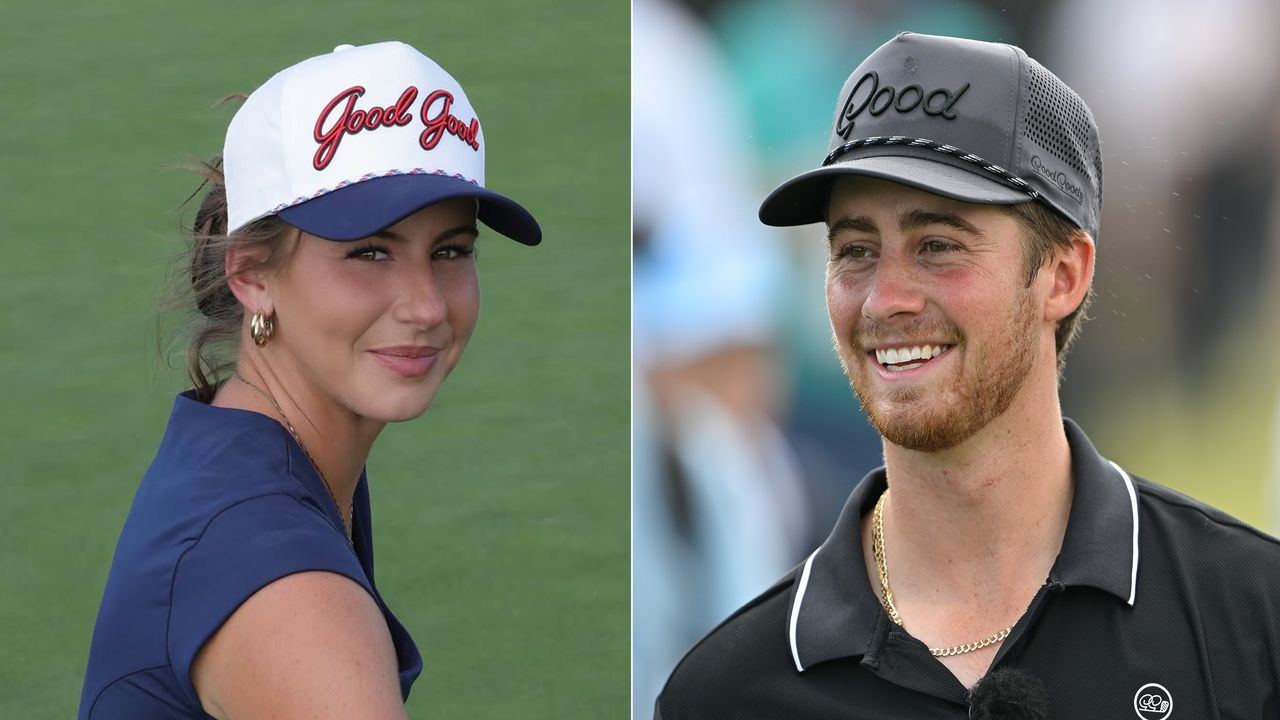
Alexis Miestowski and Garrett Clark .

When the social media backlash erupted over the recent Good Good and Callaway driver ad where Garrett Clark shoves Alexis Miestowski to the ground simply for reaching into his golf bag, I completely understood why it hit such a raw nerve. As a woman in golf, seeing physical violence against a female player used as a sexist and disrespectful punchline to sell a golf club was deeply uncomfortable to watch.

What surprised me most, however, was realising who the female golfer in the video actually was. Alexis Miestowski isn't just a video extra. She is a professional golfer playing on the Epson Tour, so I wonder if she saw the funny side of it during filming, or if it was just framed as harmless banter on set.

On screen, it felt like a massive step backward. In modern golf, we talk constantly about the bigger picture - how far women's golf has come, the barriers broken daily, and the fight for equal respect on and off the course.

Alison Root and Katie Dawkins highlight 2026 women's golf fashion including layering, themes and budget comparisons

Digital media brand Good Good commands a massive, predominantly male audience of young men and boys who consume their content religiously. Even if intended purely in jest, what does an ad like that teach young male golfers about how to treat female players on the course, or anywhere else for that matter?

To put the broader context into perspective, the statistics surrounding violence against women remain staggering. In the United States alone, national data from the CDC shows that nearly 1 in 4 women experience severe physical violence by an intimate partner in their lifetime, and an average of 24 people per minute are victims of physical abuse or contact sexual violence.

Good Good x Callaway Quantum Max driver (Image credit: Callaway )

Now, I recognise that looking at this through the lens of real-world statistics might sound extreme when we're simply talking about a golf commercial. The ad was clearly intended as light-hearted, slapstick humour, and I'm sure plenty of viewers saw it as nothing more than a harmless joke. But even as a joke, it completely misses the mark. It’s bad advertising, profoundly unfunny on many levels, and out of step with where the game is trying to go.

At the same time, I can also understand how the online keyboard warrior machine takes over. In today's digital climate, nuance is quickly lost, outrage escalates in seconds, and calls for total cancellation echo across every feed. But we also have to look at this with a level head.

It is ridiculous to suggest a company like Callaway intentionally signed off on an ad promoting violence against women. Callaway proactively champions women's golf, produces dedicated women's equipment lines, and invests heavily in tour players. I'd be gobsmacked if Callaway executives had sat in a boardroom, reviewed that clip, and given it an official green light.

Current World No.2 Jeeno Thitikul plays Callaway (Image credit: Getty Images)

What this blunder actually exposes is a massive operational lesson for legacy brands collaborating with digital creators. Content groups move fast and rely on quick, bro-centric humour, and somewhere in the rush to post viral social clips, normal corporate checks and balances failed entirely.

Good Good made a major error in judgment and apologised, while Callaway rightfully expressed their disappointment and the content was pulled immediately. Where I believe the online frenzy goes way too far, however, is the knee-jerk demand for extreme retaliation, such as calls for the PGA Tour to strip Good Good of their title sponsorship for the upcoming tournament in November.

Come on. Cancelling events and tearing down partnerships doesn't solve anything. Good Good brings millions of enthusiastic young people into golf, and Callaway provides the backing that helps to grow the game.

Rather than burning bridges, this needs to be a firm, permanent lesson in accountability and process. Creators must learn that disrespectful skits have no place in golf marketing, and major brands must ensure proper oversight stays intact when working with influencers. Hold them accountable, learn from the mistake, and let's focus on moving the game forward together.

What's your view on the controversy? Have your say in the comments below...

Sign up to read this article
Read news from 100's of titles, curated specifically for you.
Already a member? Sign in here
Related Stories
Top stories on inkl right now
One subscription that gives you access to news from hundreds of sites
Already a member? Sign in here
Our Picks
Fourteen days free
Download the app
One app. One membership.
100+ trusted global sources.