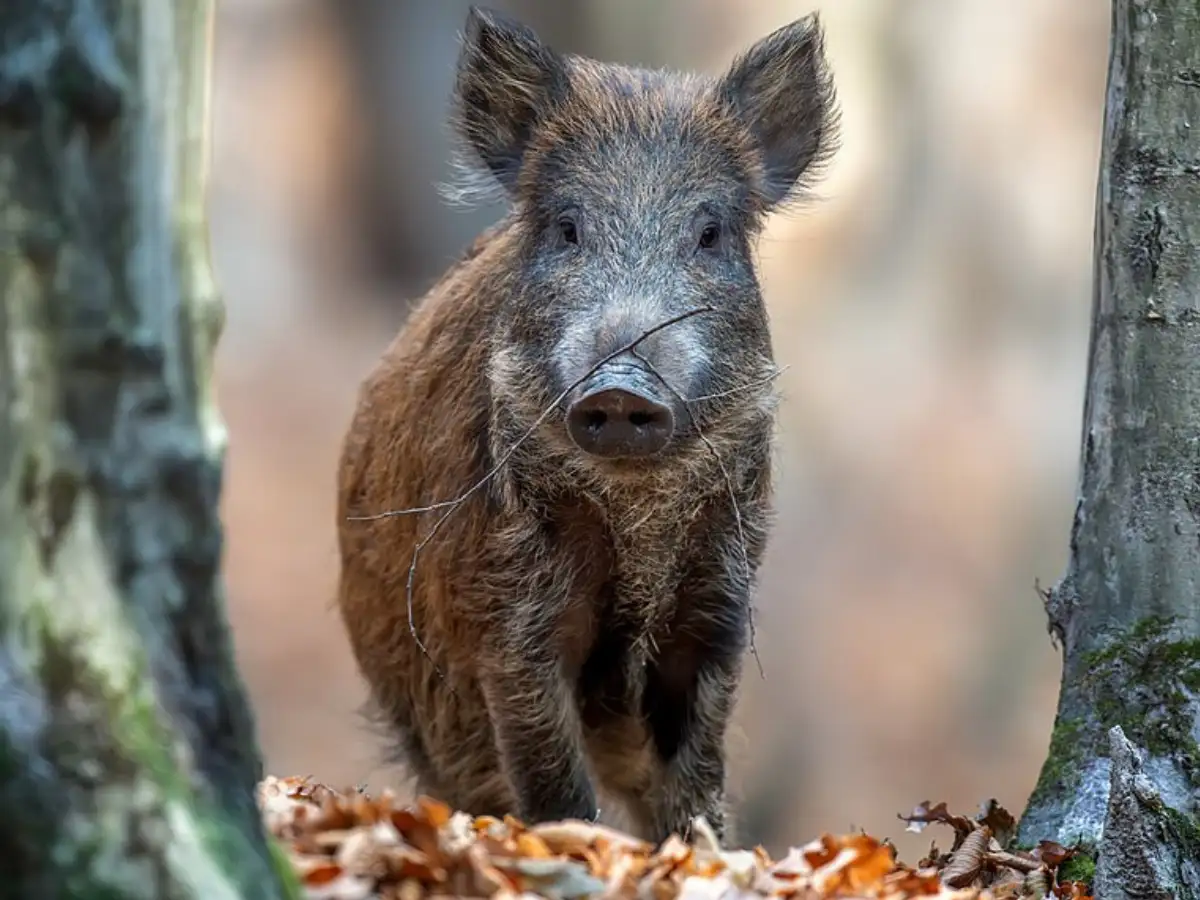
Each spring, thousands of visitors drive into Congaree National Park in South Carolina to watch fireflies flash in unison after dark. It is among nature's most unusual light displays, but a National Park Service report says that show is threatened by an unlikely source: wild pigs. Park superintendent Greg Hauburger said the animals dig up firefly larvae before they can glow, along with turtle eggs, ground-nesting birds and rare native plants. NPS reporting on the broader threat notes feral swine are causing similar damage in more than 40 parks across the Southeast.
A hunting hobby that backfired

Feral pigs aren't new to America. When explorers and settlers came over in the 1500s, they brought domestic pigs with them as a food source. Many escaped or were released. Centuries later, starting in the 1900s, hunters imported Eurasian, or Russian, wild boar for sport. Escaped farm pigs and wild boars interbred over time. The result: today's feral swine, a tough, adaptable hybrid that can survive almost anywhere, and that adaptability is the problem. These pigs reproduce quickly, eat just about anything, and have few natural predators in the United States. The National Park Service reports that feral swine have now been spotted in at least 35 states. The U.S. Department of Agriculture fact sheet notes that the nation's feral swine population is believed to be more than 6 million, and that feral swine are a contributing factor in the decline of nearly 300 native plant and animal species, over 250 of which are already listed as threatened or endangered.