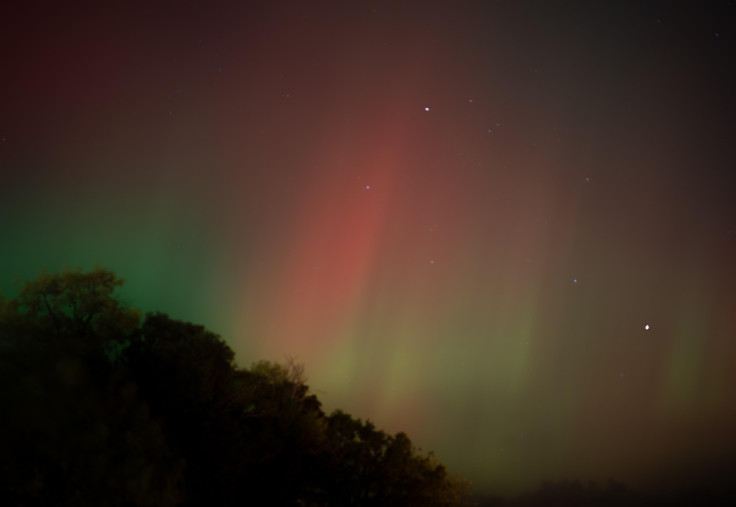
Auroras, known for their captivating displays of shifting lights in the night sky, glow in different colors as ionized particles from the solar wind interact with the layers of Earth's atmosphere.
The colors seen in auroras, most commonly green and red, depend on the type of atmospheric gases involved and the altitude where collisions occur. This article explains the science behind aurora colors, the role of ionized particles, and how different atmospheric layers influence this natural phenomenon.