
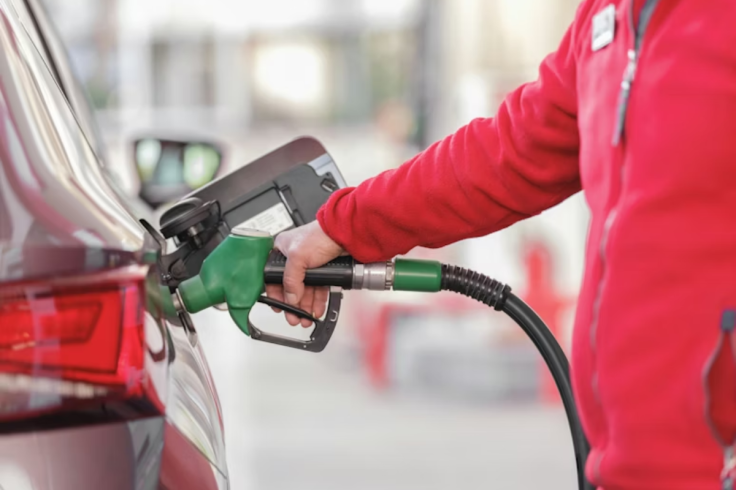
Keeping fuel available involves a scale of activity that can be easy to overlook at the pump. Americans consumed about 374.05 million gallons of finished motor gasoline per day in 2025, according to the U.S. Energy Information Administration. That volume provides context for the daily work of purchasing, transporting, and delivering fuel. It also offers a sense of the coordination involved in supplying a product that people and businesses use throughout the day.
The delivery network involves several stages. The EIA explains that gasoline moves through refining, transportation, storage, and blending before reaching retail stations. Tanker trucks handle the final deliveries, linking a national supply network to the places where people fill their vehicles. Viewed across those stages, a delivery to a neighborhood station represents one part of a much wider process.














