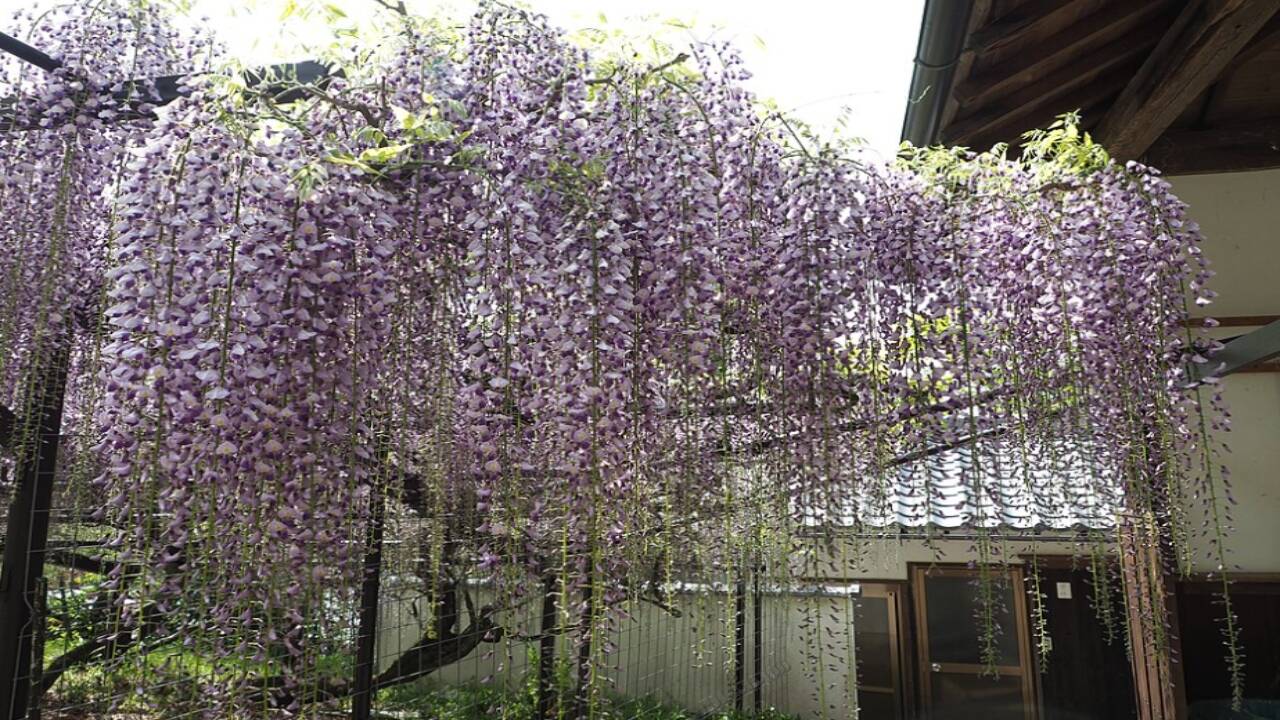
Around 1830, Japanese wisteria arrived in the United States as an ornamental plant, prized for its long, fragrant clusters of purple flowers. Wisteria floribunda was planted around homes, gardens and porches because of its striking spring display. For generations, it remained a popular garden vine. But some plants escaped cultivation and reached nearby forests, where the same vigorous growth that made wisteria attractive in gardens gave it a very different role. The USDA Forest Service identifies Japanese wisteria as a nonnative invasive vine and places its introduction to the United States around 1830.
Get breaking news anytime, anywhere. Download the TOI app now!