
Get all your news in one place.
100’s of premium titles.
One app.
Start reading
Homes & Gardens
Homes & Gardens
Chiana Dickson

Are You Drinking Cleaning Residue? 3 Toxic Chemicals to Avoid in Your Coffee Maker Maintenance and What Experts Recommend Instead

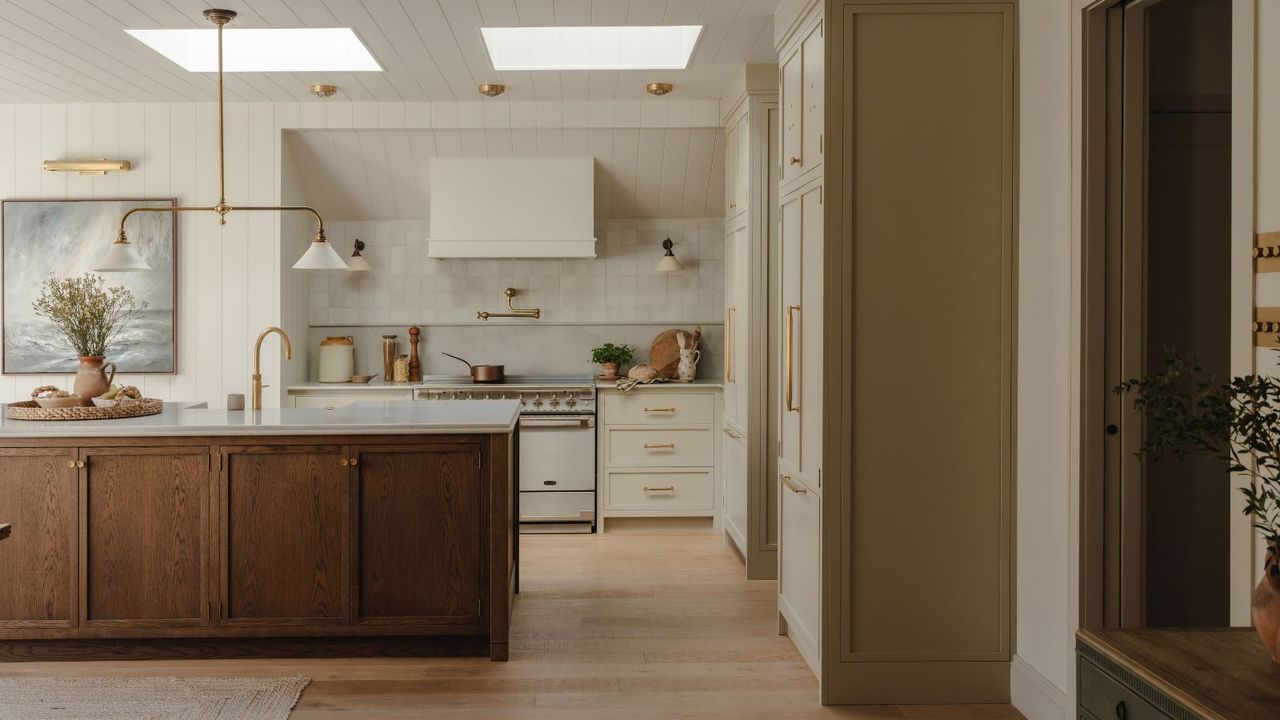
A large kitchen with cream painted cabinets and a large wooden cabinet island. .

Having written about non-toxic cleaning practices for over three years, I firmly believe that whenever possible, you should stick to 100% natural products.

This is especially important when cleaning a coffee maker. With boiling water rushing through its pipes, any lingering chemicals can easily end up in your morning cup.

To protect both your health and your best non-toxic coffee maker, I consulted toxicologists to identify the harmful chemicals to avoid during maintenance, and the safer alternatives to reach for the next time that descaling light starts blinking.

Why You Should Use Caution When Maintaining Your Coffee Maker

No matter if you are cleaning a drip coffee maker, the best espresso machine, or sanitizing a French press, you should always avoid harsh household chemicals from your everyday cleaning cabinet.

It is also worth noting that just because a product is marketed as compatible with your appliance's make and model doesn't always mean it is good for your health, or the quality of your brew when making coffee at home.

As with understanding non-toxic cookware labels, it is important to review the ingredient list for your descaling products to avoid potentially harmful mixtures that could also damage your appliance.

Michael Cramer, founder and product developer at Lardera Coffee, explains, 'Strong acids such as sulfamic, hydrochloric, and phosphoric are often found in commercial or industrial descalers because they effectively dissolve mineral buildup, but they can also be corrosive to internal metal and rubber parts if used frequently or at high concentrations. These acids also require thorough rinsing, as residue will adversely affect the taste of the coffee.'

The Cleaning Chemicals to Avoid in Your Coffee Maker

The same rules apply no matter what coffee maker you own. (Image credit: Smeg)

According to Onome Warfield, co-founder at General Warfeild's Coffee, there are three potentially harmful chemicals that you need to look out for:

  • Sulfamic acid: Often found in coffee and espresso machine cleaners, sulfamic acid is also common in toilet bowl cleaners, hard water removers, tub and tile cleaners, sink sprays, and other bathroom products. Clearly, we wouldn’t want to ingest these, so sulfamic acid should never be used for descaling or cleaning anything food-related. According to official material safety data sheets, can irritate the gastrointestinal tract and corrode rubber seals or other internal components. This is a firm no for any appliance that produces your food or drinks.
  • Hydrochloric acid: This highly corrosive chemical is far too dangerous for use in home brewing machines. Even tiny residues that aren’t fully flushed can pose serious health risks, according to the EPA. Its extreme acidity makes it completely unsuitable for any food-related use. Another clear no.
  • Any harsh synthetic detergents/soaps (surfactants): Detergents and synthetic soaps are not designed for coffee equipment. Residue can be difficult to remove and can affect both your health and the flavor of your coffee, because soap-flavored coffee frankly sounds unpleasant. Like the other chemicals listed, this is a full-stop hard no.

The Cleaning Products to Use Instead

The same rules apply to cleaning non-mechanical coffee makers, too. (Image credit: Future / Ottilie Blackhall)

When looking for non-toxic cleaning products for your coffee maker, Onome stresses that you select specific and designated food-safe descalers with biodegradable formulations meant for coffee equipment.

'These are perhaps the best due to their low toxicity, effectiveness, ease of use, and their ability to gently descale coffee equipment, etc. Additionally, they usually don't leave stubborn residue, odor, or bad or "off" tastes. Simply follow the product's instructions and use as directed,' she advises.

  • Citric acid-based descalers: When shopping for non-toxic products formulated specifically for descaling, citric acid cleansers are my first choice. They are generally gentle, food-safe, and widely recommended when used exactly as directed. The Active Coffee Machine Cleaner and Descaler Solution from Walmart is a good option for this, as it is made up of water and citric acid.
  • Lactic acid-based descalers: These are another good choice when used exactly as directed. They are generally low in toxicity, very effective, and won't damage coffee machines and equipment when used appropriately. We suggest New England Stories Descaling Solution, from Amazon, which is formulated with 100% plant-based lactic acid.

It is worth discussing cleaning with vinegar here, as it is non-toxic and generally encouraged for use in descaling applications. That being said, Onome advises against it.

'Believe it or not, and contrary to some guides, we do not recommend using vinegar. While it's not dangerous like the other chemicals mentioned, it can damage rubber seals and other essential parts over time, plus it can be difficult to fully rinse without leaving the classic vinegar odor, affecting the taste of coffee if there's any residue left at all.'

For this reason, distilled white vinegar, available at Walmart, can be used sparingly, and when you are stuck without other safe alternatives, it is best to skip where you can.

FAQs

Why does my coffee maker taste bad after cleaning?

Your coffee machine might have a strange flavor after descaling because the product is still stuck in the inner pipework. No matter what you use to clean your appliance, it is always best practice to flush the machine out before you brew your next coffee.

Onome recommends running two to three full cycles with plain filtered water to remove buildup and residue. Where you can, it is also preferable that you disassemble any parts you can to allow the machine to air dry, limiting the risk of mold and bacteria.

Meet the Experts


With your cleaning routine perfected, next, pick up some of our coffee bar essentials to take your home brew to the next level.

Love the latest product news and helpful shopping advice? Sign up for our newsletter and get the latest features delivered straight to your inbox.

Sign up to read this article
Read news from 100’s of titles, curated specifically for you.
Already a member? Sign in here
Related Stories
Top stories on inkl right now
One subscription that gives you access to news from hundreds of sites
Already a member? Sign in here
Our Picks
Fourteen days free
Download the app
One app. One membership.
100+ trusted global sources.